
Livraison le jour même ou le lendemain

Qualité garantie

Débloquez vos offres de bienvenue: Livraison GRATUITE | Jusqu'à -80 % | 30 jours d'essai gratuits à JoyPlus
Téléchargez l'application
Buying wine and alcoholic drinks online gives you access to French appellations, international wines and specialities that can sometimes be hard to find in shops. However, an appealing product description is not always enough to make the right choice. Alcohol content, format, serving temperature and storage conditions can all affect your experience once the bottle arrives.
To avoid disappointment, it is better to rely on practical criteria than flattering marketing language.
A wine from Bordeaux, Burgundy, Provence or Sauternes does not have one single taste. The vintage, grape varieties, ageing and appellation all have a strong influence on the result. A Bordeaux red wine may be structured and rich, while a red Burgundy made with Gamay can be softer and fruitier.
A region’s name therefore does not replace reading the tasting notes. Look for information about the aromas, tannins, acidity and texture.
A 75 cl bottle is the most common wine format, but not all alcoholic drinks have the same concentration. A rosé prosecco may contain around 10 to 11 % vol., a red wine 13 to 14 % vol., while a port can reach 19.5 % vol. The peach makgeolli featured here contains just 3 % vol., but does contain gluten according to the available information.
Alcohol content should be considered alongside the intended use, the meal and the drinking habits of the adults who will consume it. Alcohol should always be enjoyed in moderation. It is not recommended during pregnancy and is prohibited for under-18s.
Heat, direct sunlight and significant temperature fluctuations can affect a bottle’s sensory qualities. Red, white, rosé and sparkling wines should generally be stored in a cool, dry place away from light.
The information on the product page should always take priority. Some ports should be stored upright, while a wine intended for ageing may require more stable conditions. Once opened, storage time also varies depending on the product.
Start by considering the occasion:
Temperature is a simple detail, but one that is too often overlooked. Product descriptions commonly indicate:
Serving a red wine too warm can heighten the sensation of alcohol. Conversely, a white wine that is too cold may hide its aromas.
The presence of sulphites should be checked for wines that contain them. Some Asian drinks also contain specific allergens: Shaoxing Huadiao and peach makgeolli mention the presence of wheat or cereals containing gluten.
Also check the net volume, alcohol content, storage conditions and best-before date where provided. This information is far more useful when comparing two bottles than generic descriptions such as “exceptional” or “refined”.
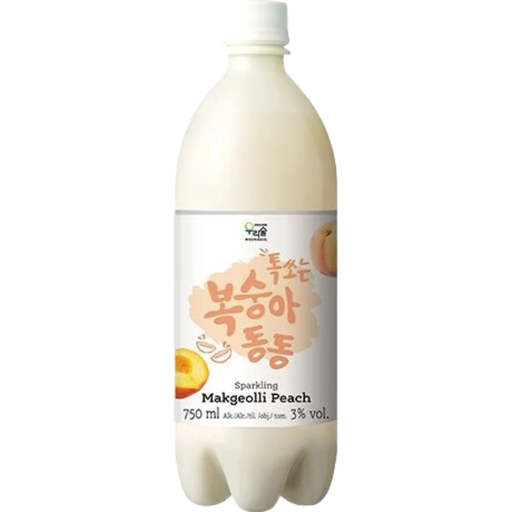
Why this choice suits this profile : Its 750 ml format and stated alcohol content of 3 % vol. make it a good way to discover a fruity Korean drink without starting with a spirit or a highly alcoholic wine.
The product description specifies the alcohol content, format, indicative calories and the presence of cereals containing gluten.
Peach aromas, a texture described as smooth and a natural fermentation process mentioned in the product description.
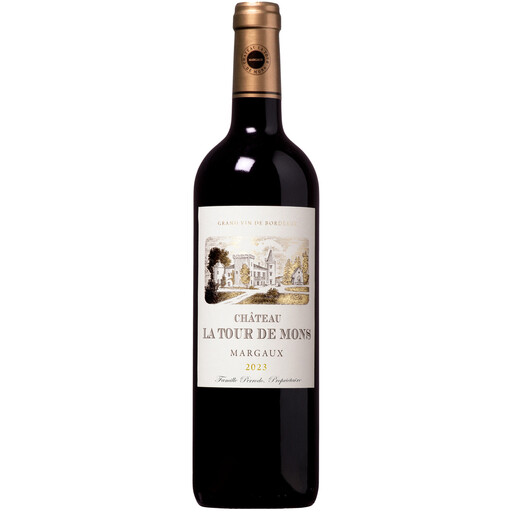
Why this choice suits this profile : This Margaux from Bordeaux is ideal for attentive tasting or a celebratory meal, with a blend of Merlot, Cabernet Sauvignon, Cabernet Franc and Petit Verdot.
The product description states an alcohol content of 13 % vol., a serving temperature of 17 °C and storage away from light.
A profile described as aromatic, fresh and elegant, with woody, spicy and fruity notes.
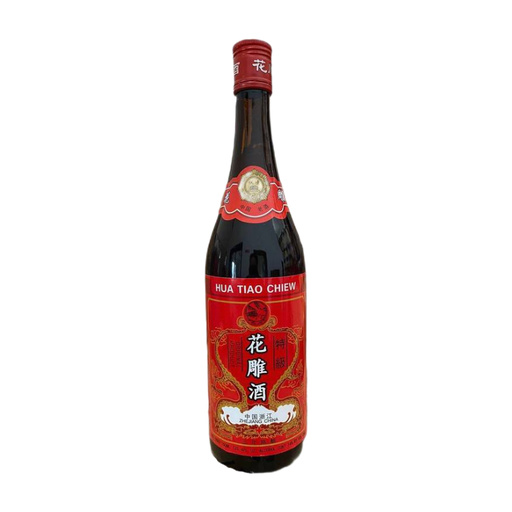
Why this choice suits this profile : This Chinese drink can be served slightly warmed or used in cooking. A versatile option for fans of Asian cuisine.
The product description states an alcohol content of at least 15 % vol., the presence of wheat and the need to refrigerate the product after opening.
An amber profile, gentle notes and the option to enjoy it as a drink or use it as a cooking ingredient.
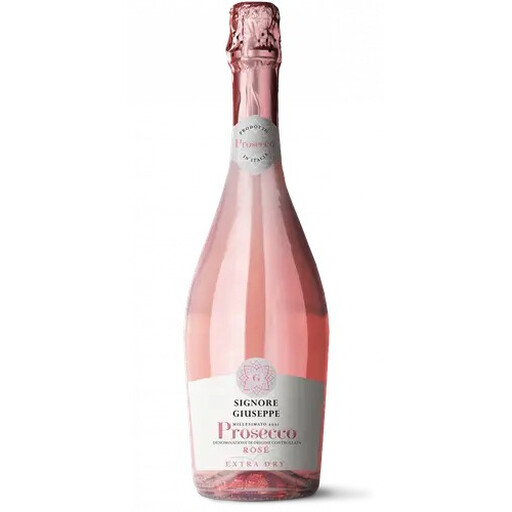
Why this choice suits this profile : This Italian rosé sparkling wine is best served chilled as an aperitif or for a relaxed get-together, in the standard 75 cl format.
The product description specifies the stated blend, an alcohol content of 10 to 11 % vol. and storage between 8 and 12 °C.
Bubbles described as fine and long-lasting, accompanied by floral and red-fruit aromas.
We have put together a complete, real-time updated list of products that meet these demanding selection criteria and European safety regulations.
For a food and wine pairing, start with the intensity of the dish rather than the wine’s colour alone. A Burgundy Chardonnay with notes of white flowers, peach and almond can accompany white meats or vegetables. A Provence rosé or a rosé from Corsica pairs well with fresh dishes, composed salads and grilled food.
With a strongly flavoured cheese or meat in sauce, a more structured red can create an interesting contrast. Sweet Sauternes and Barsac wines can accompany a lightly sweet dessert, foie gras or certain cheeses, depending on individual preferences.
Check the tasting notes, alcohol content, serving temperature and suggested pairings. Colour provides an initial indication, but it is not enough to predict a wine’s texture or intensity.
It depends entirely on the type of drink and the manufacturer’s instructions. A port can keep for several weeks depending on the product, while a sparkling wine gradually loses its fizz. Reseal the bottle carefully and follow the information on the product page.
Product descriptions may mention sulphites, wheat or cereals containing gluten. Always check the label and the product’s up-to-date information before buying, particularly in the event of an allergy or intolerance.