
Livraison le jour même ou le lendemain

Qualité garantie

Débloquez vos offres de bienvenue: Livraison GRATUITE | Jusqu'à -80 % | 30 jours d'essai gratuits à JoyPlus
Téléchargez l'application
Navigating the Asian condiments aisle can be a complex task. Between cooking sake, mirin, and Shaoxing cooking wine, it's easy to feel lost. Yet, choosing the right bottle is a key step to perfecting a recipe and achieving the authentic flavours that define the richness of Asian cuisine. The goal isn't to collect countless bottles, but to wisely select the ones that suit your cooking habits, all while getting great value for your money.
As a Product Curation Specialist at Joybuy, my role is to provide some clarity. I sift through the available information to give you practical advice and guide you towards the right choices, cutting through the often-confusing marketing jargon.
To make an informed choice, a few simple checks can guide you. This advice is based on carefully reading the product information provided, in line with current standards.
The label is your most valuable tool. A quality rice wine for cooking is characterised by a short, understandable ingredient list. For mirin, for example, the presence of glutinous rice, koji (a fermenting agent), and alcohol is a good sign. Be wary of products where the first ingredient is glucose syrup or that contain a long list of additives. The presence of salt is normal in a cooking wine, as it makes it unpalatable for drinking and classifies it as a condiment.
Each wine has its specialty. For Japanese cuisine (teriyaki, sukiyaki, fish marinades), the cooking sake and mirin duo is essential. Sake tenderises meats and adds depth (an umami ingredient), while mirin imparts a subtle sweetness and a glazed finish. For Chinese cuisine (wok stir-fries, Dongpo pork, braised dishes), Shaoxing cooking wine is the gold standard. Its more pronounced, amber flavour is fundamental to many traditional recipes.
There's no need to buy a professional-sized bottle if you only cook Asian food occasionally. A 300 to 500 ml bottle is often sufficient for home use and helps preserve the freshness of the aromas. Conversely, if you are a restaurateur or a huge fan of Chinese cuisine, an economical multi-litre format, such as for Chinese cooking wine, can be very cost-effective.
Here are a few options that cater to various needs, selected for their composition and culinary relevance.
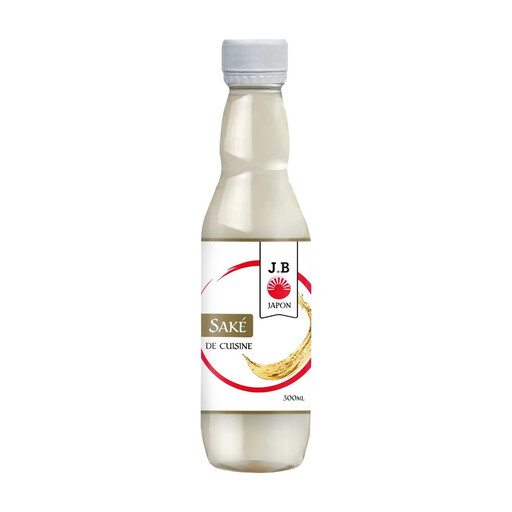
Why we recommend it: This cooking sake is an excellent starting point for getting into Japanese cooking. Its key feature is its Halal certification, making it accessible to a wider audience. It's designed to add a balanced umami flavour without overpowering the dish, making it a very versatile Japanese cooking alcohol.
Advantages:
Who is this product for?: Home cooks looking for a staple ingredient for their Japanese recipes, and especially those seeking a halal cooking sake.
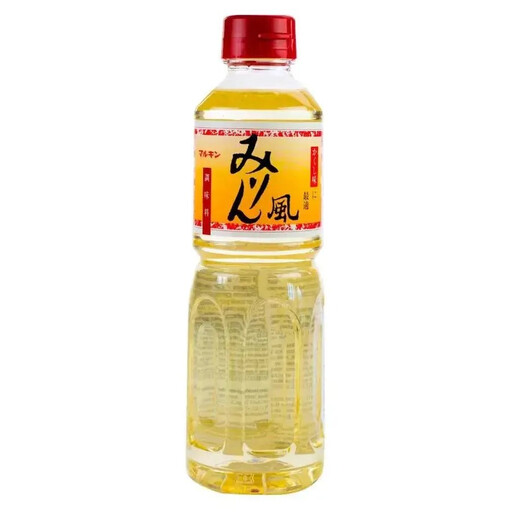
Why we recommend it: Mirin is the secret ingredient for achieving glossy teriyaki sauces and braised dishes with a sweet, complex flavour. This version from Marukin is a mirin-style seasoning (mirin-fu), formulated to provide that characteristic sweet and syrupy touch. It's perfect for caramelising ingredients and balancing the acidity or saltiness of a sauce.
Advantages:
Who is this product for?: Japanese cuisine enthusiasts who want to master the art of sauces and braised dishes like sukiyaki or nikujaga. It's an essential Asian condiment for adding shine and sweetness.
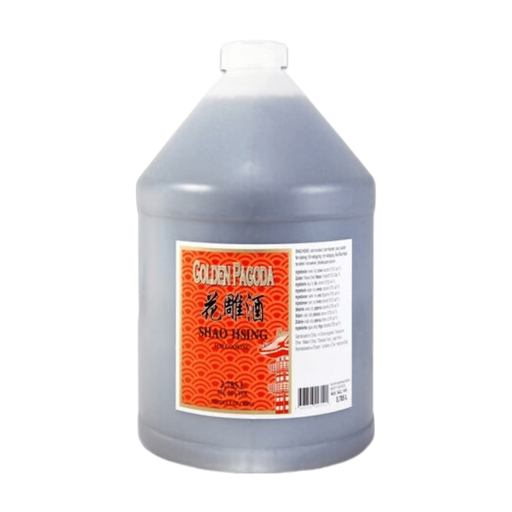
Why we recommend it: This Shaoxing cooking wine is a pillar of Chinese cuisine. Its rich, complex flavour profile, with notes reminiscent of sherry, is difficult to replace. It is used to deglaze a wok, tenderise meats in marinades, and flavour broths and saucy dishes. The generous, nearly 4-litre size offers excellent value for heavy use.
Advantages:
Who is this product for?: Experienced cooks, professionals, and anyone looking for the authentic taste of Chinese cooking wine without compromise, while also saving money on a bulk purchase.
Our selection covers common uses, but the range of condiments is much broader. If you're looking for a specific option, a different size, or simply want to explore other flavours for your culinary creations, we invite you to browse our full category.
? Discover our full range of [Cooking Wine] on Joybuy.fr
1. What is the difference between cooking sake and mirin? Although they are both Japanese rice alcohols, their roles differ. Cooking sake is mainly used to tenderise meat and fish and to add depth (umami). It is less sweet than mirin. Mirin, on the other hand, is a sweet, syrupy rice wine. Its main purpose is to add natural sweetness, give a shine to sauces (a glaze), and mask the strong odours of certain fish or meats.
2. Can Shaoxing cooking wine be replaced with another alcohol? For an authentic result, Shaoxing cooking wine is difficult to substitute due to its unique flavour profile. In a pinch, dry sherry is often suggested as an acceptable substitute, but the final taste of the dish will be slightly different. Avoid using white or red table wines, as they will not provide the same complexity.
3. Does the alcohol burn off completely during cooking? A large portion of the alcohol evaporates during cooking, especially in dishes that are simmered for a long time or cooked at high temperatures. However, a small residual amount may remain. The proportion of alcohol left depends on the cooking time and method. This is a point to consider for individuals who must avoid alcohol entirely.