
Livraison le jour même ou le lendemain

Qualité garantie

Débloquez vos offres de bienvenue: Livraison GRATUITE | Jusqu'à -80 % | 30 jours d'essai gratuits à JoyPlus
Téléchargez l'application
Once a niche drink, makgeolli is now captivating a growing number of curious drinkers. This traditional Korean alcohol—simultaneously sweet, milky, and slightly sparkling—has an intriguing appeal. But with increasingly crowded shelves, from authentic versions to the wave of new fruity variations, it can be hard to know where to start. Don't worry: our guide is here to help you navigate the options and find the perfect bottle, whether you're a newcomer or a connoisseur on the hunt for new gems.
Before you buy, a few simple criteria will help you make the right choice. Once you understand these nuances, you'll be ready for a successful tasting.
Makgeolli is known for its low alcohol content, typically ranging between 3% and 8%.
Makgeolli comes in two main categories:
The ultimate social drink, makgeolli pairs wonderfully with Korean cuisine. It is traditionally served with pajeon (savoury pancakes) or to cool the heat of spicy dishes like kimchi jjigae. The fruity versions, on the other hand, are delicious on their own, served chilled, or can even be used as a base for surprising cocktails.
To put theory into practice, here are three bottles with distinct profiles, perfect for getting started or rediscovering makgeolli.
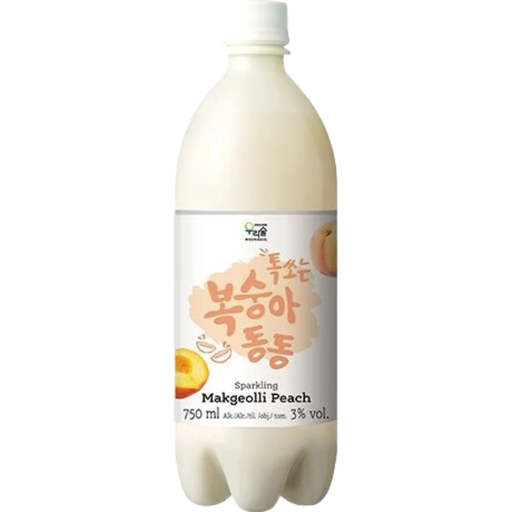
Why It Stands Out This peach makgeolli is a modern and incredibly refreshing take on the traditional drink. The natural peach aroma provides a fruity sweetness that perfectly balances the acidity of the fermented rice. Its velvety texture and low alcohol content make it a particularly easy-to-enjoy beverage.
Advantages
Who Is It For? Ideal for those new to makgeolli or for fans of light, fruity drinks. It's the perfect companion for a summer aperitif and a reliable choice to surprise your guests.
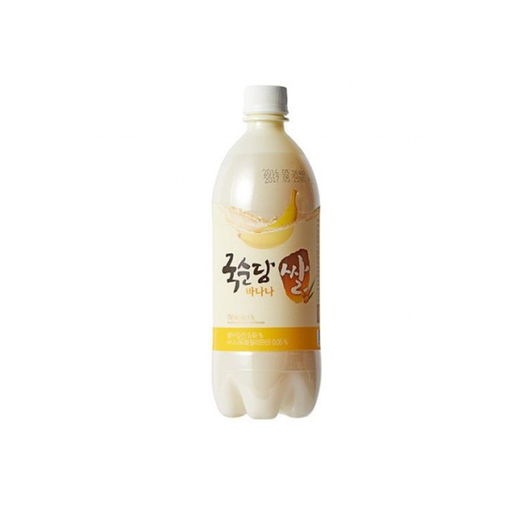
Why It Stands Out The Kooksoondang banana makgeolli is a true classic of its kind. The Kooksoondang brand, renowned for its expertise, delivers a version with a smooth texture and an intense, indulgent banana aroma reminiscent of a creamy dessert.
Advantages
Who Is It For? This banana makgeolli is definitely for lovers of indulgent and nostalgic flavours. If you enjoy banana milkshakes or fruity desserts, this version is made for you. A comforting and original drink.
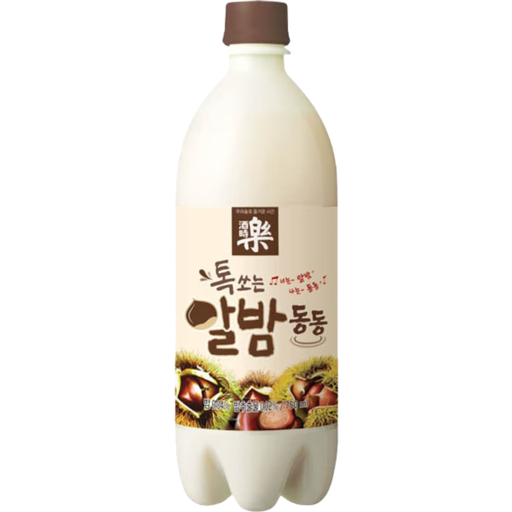
Why It Stands Out More complex, the chestnut makgeolli unfolds a distinctly autumnal flavour profile. The chestnut extract brings rich, roasted notes that pair wonderfully with the acidity of the fermented rice. At 6% alcohol, it has more body and character than its fruity counterparts.
Advantages
Who Is It For? For those seeking a more sophisticated and less overtly sweet flavour. If you appreciate notes of chestnut, hazelnut, or amber ales, this chestnut makgeolli is a discovery not to be missed.
The world of makgeolli is vast and isn't limited to fruity flavours. Versions with ginseng, corn, or simply traditional (unflavoured) makgeolli offer equally exciting experiences.
To explore the full richness of this alcohol, from the great classics to more niche gems, take a look at our complete selection of rice wine.
Makgeolli should always be enjoyed well-chilled. Since the rice sediment tends to settle, remember to gently invert the bottle a few times before opening to mix it thoroughly. Traditionally, it is served in small bowls rather than glasses.
Plain makgeolli has a unique taste: it is milky, slightly sweet, tangy (similar to plain yogurt), and lightly sparkling. Flavoured versions, like those with peach or banana, add a fruity, sweet touch that softens its natural acidity.
Once opened, a bottle of makgeolli must be stored in the refrigerator, tightly sealed and upright to preserve its fizz. It is best consumed within 2 to 3 days to fully enjoy its freshness. Always refer to the best-before date on the packaging.
Warning: Consumption of alcoholic beverages during pregnancy, even in small amounts, can have serious consequences for the child's health.