
Same-day & Next-day Delivery

Quality Guaranteed

Unlock Your Welcome Offers: FREE Delivery | Up to 80% OFF | Free 30-day JoyPlus trial
Download the APP
The world of Asian spirits is a continent of flavour all its own. It's a fascinating realm, but one that can be intimidating for those venturing in without a guide. Between a bold baijiu, a fruity soju, and a Chinese rice wine for cooking, the labels can be perplexing. The result: many curious drinkers end up disappointed, either by a taste that doesn't meet their expectations or because they've chosen a bottle for the wrong purpose.
As a Product Expert at Joybuy, my mission is to demystify the topic and help you make the right choice. Together, let's avoid two common pitfalls that can ruin your tasting experience:
This guide gives you the keys to explore this world and find the bottle that perfectly matches your tastes and the occasion.
Before adding a bottle to your cart, take a moment to check three key pieces of information that will make all the difference.
Every country has its own traditions and iconic spirits. Distinguishing between the main categories is the first step to choosing well.
Alcohol by Volume (ABV) is a simple but crucial indicator. It tells you about the strength of the drink and guides you on the best way to enjoy it.
Don't judge a bottle by its label alone. The product description will give you valuable clues. Look for terms like "fruity," "sweet," "strong aroma," "mellow," or "milky" to get a clear idea of the taste and ensure it matches what you're looking for.
To help you see how these criteria apply in practice, here is a selection of products suited for various contexts.
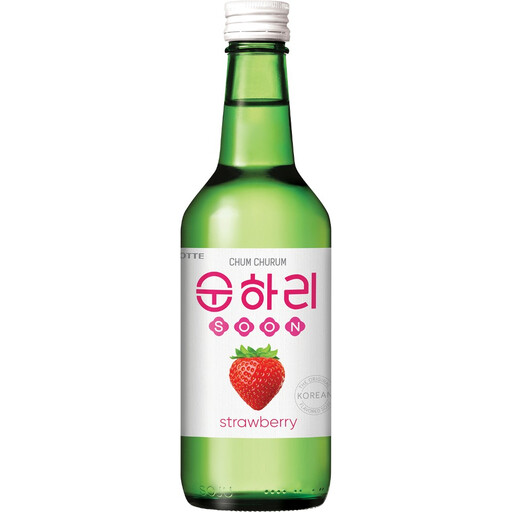
Why we chose it: Perfect for a festive drink that's easy to drink and share. Its sweet strawberry flavour and low alcohol content (12%) make it an ideal gateway into the world of soju, to be sipped neat, on the rocks, or in a cocktail.
Its label and description clearly indicate a fruity profile and a moderate ABV, preventing any confusion with a strong, complex spirit.
A very approachable and refreshing flavour, perfect for an unintimidating introduction to Korean spirits.
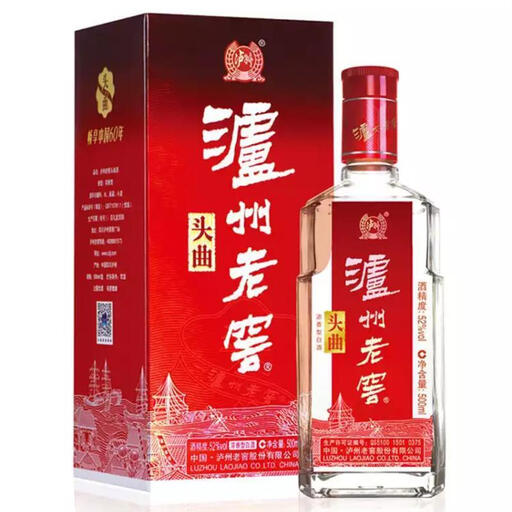
Why we chose it: For those who want to discover an authentic, prestigious Chinese spirit. This "strong aroma" baijiu is a classic with a rich history. Its 52% ABV and complex aromatic profile make it a sipping spirit, meant to be savoured slowly to appreciate all its nuances.
Its premium positioning and high ABV clearly distinguish it from lighter drinks. It is presented as a spirit to be savoured, avoiding any risk of confusion about how to drink it.
As an heir to traditional brewing techniques, it offers an authentic tasting experience with a complex bouquet and a long finish.
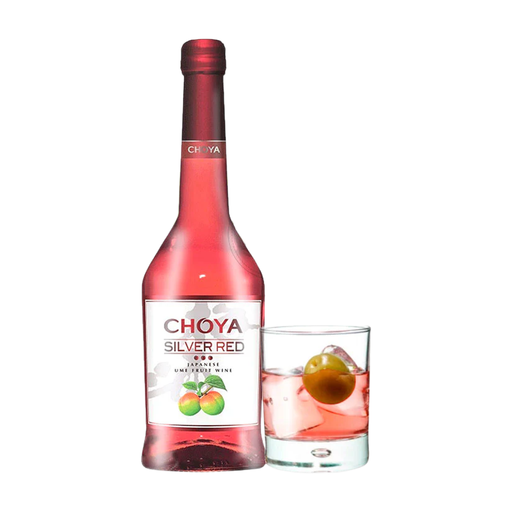
Why we chose it: An excellent option for palates that prefer sweet and sour drinks. This plum wine is a blend of red wine and Japanese ume plum juice. At 10% ABV, it's perfect served chilled as an aperitif, on ice, or with dessert.
As an Asian liqueur, its sweet profile is clearly defined. It doesn't pretend to be a dry spirit, which prevents any unpleasant surprises for those who enjoy sweeter drinks.
The original combination of red wine and ume plum offers a unique flavour that is both rich and refreshing.
Explore our complete selection, updated with the best current offerings, all carefully chosen.
For high-proof spirits like baijiu (over 40%), simply reseal the bottle tightly and store it upright in a cool, dark place. For lower-alcohol beverages like soju, makgeolli, or umeshu, it is recommended to keep them in the refrigerator and consume them within a few days or weeks of opening to preserve their freshness.
No, this is strongly discouraged. Cooking wine (like cooking-grade Shaoxing wine) contains a significant amount of salt, making it unsuitable for drinking. For direct consumption, look for bottles labelled "drinking wine" or aged versions that do not list salt in their ingredients.
No, although they are often confused. Sake is a Japanese rice wine made through fermentation, with an ABV that typically ranges from 14% to 16%. Soju is a distilled Korean spirit, with an ABV that can vary from 12% for flavoured versions to over 45% for traditional ones. Their production processes and flavour profiles are therefore very different.