
Livraison le jour même ou le lendemain

Qualité garantie

Débloquez vos offres de bienvenue: Livraison GRATUITE | Jusqu'à -80 % | 30 jours d'essai gratuits à JoyPlus
Téléchargez l'application
A sparkling wine can accompany an aperitif, a celebratory meal or make a thoughtful gift. However, with labels and marketing to navigate, it is not always easy to compare champagne, crémant, prosecco or a simple sparkling wine. An elegant bottle does not necessarily match the style you are looking for, and a high price does not guarantee that it will pair better with your menu.
Before buying, three common pitfalls are worth avoiding:
Champagne is generally associated with pinot noir, meunier and chardonnay grapes. Its secondary fermentation and ageing are governed by the appellation rules. Crémant is produced in several French regions, particularly Burgundy, Alsace and Bordeaux. Burgundy crémant often has a fresh, floral profile, while Bordeaux crémant may reveal fruity or brioche notes, with a creamier texture.
Prosecco, originally from Italy, is generally made from the glera grape. It is often distinguished by aromas of apple, pear and flowers. Produced in Piedmont from muscat grapes, Asti Spumante usually has a more moderate alcohol content and a sweet, highly aromatic, muscat-led profile.
For an aperitif that is easy to get right, choose a brut, extra-dry or demi-sec, depending on the level of sweetness you prefer. With dessert, a sweeter or flavoured sparkling wine will often be a better match.
A standard 75 cl bottle of champagne will generally serve around six 12.5 cl flutes. Classic cuvées often have an alcohol content of between 11.5 and 12.5% vol., while an Asti Spumante may contain 7.5% vol. Flavoured sparkling wines can have a different alcohol content: the JP Chenet Fashion peach wine mentioned here contains 5.5% vol.
Alcohol-free alternatives, such as an alcohol-free sparkling wine, are suitable for people who do not want to drink alcohol or who are looking for a celebratory drink for a particular occasion. However, check the label carefully: depending on the product, the terms « alcohol-free » and « 0.0% vol. » do not necessarily mean exactly the same thing.
Store bottles away from light, heat and humidity, following the manufacturer's recommendations. A serving temperature of between 8 and 12°C is suitable for most sparkling wines. The most aromatic cuvées can be served slightly cooler, while a brut champagne may lose some of its aromas if served too cold.
After opening, use a stopper specially designed for sparkling wines and place the bottle in the fridge. For Calvet demi-sec Bordeaux crémant, the product information recommends drinking it within 1 to 2 days of opening to preserve its freshness and bubbles.
The products presented may contain sulphites. Nutritional information and alcohol content may vary depending on the cuvée or batch: always check the packaging at the time of purchase.
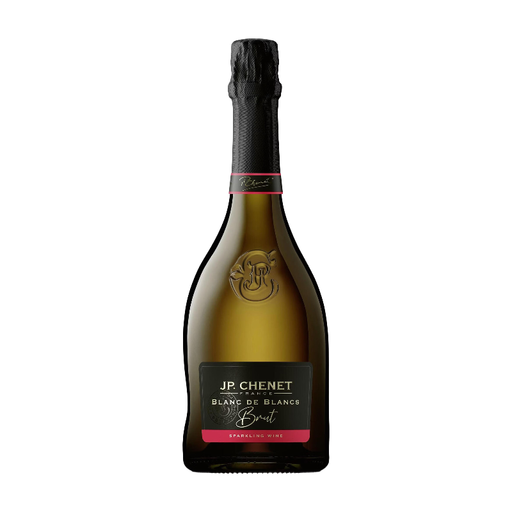
Why this choice suits this profile : Its 75 cl format and brut style make it suitable for serving with an aperitif or light meal, without moving straight to a champagne cuvée.
The product information specifies the brut style, pairing suggestions and energy value of 68 kcal per 100 ml, rather than relying solely on the bottle design.
A fruity profile with notes of white peach and apricot, containing sulphites and with storage instructions to keep it away from heat and light.
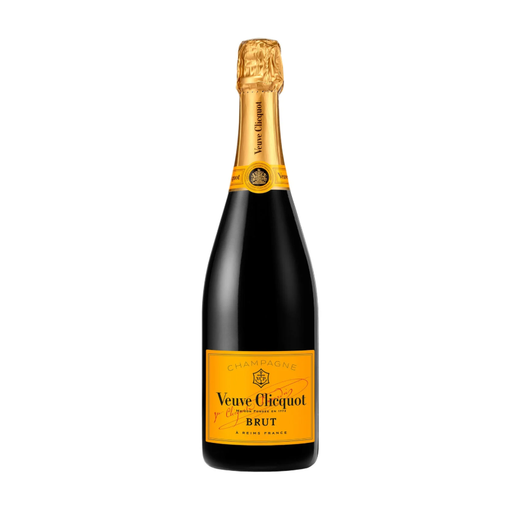
Why this choice suits this profile : Its Champagne appellation and stated blend of pinot noir, meunier and chardonnay make it a suitable option for a gift or formal celebration.
The appellation, brut style and composition are clearly stated, making it easy to distinguish this champagne from another sparkling wine.
A stated balance between finesse and power, recommended storage between 10 and 12°C, and the presence of sulphites to bear in mind.
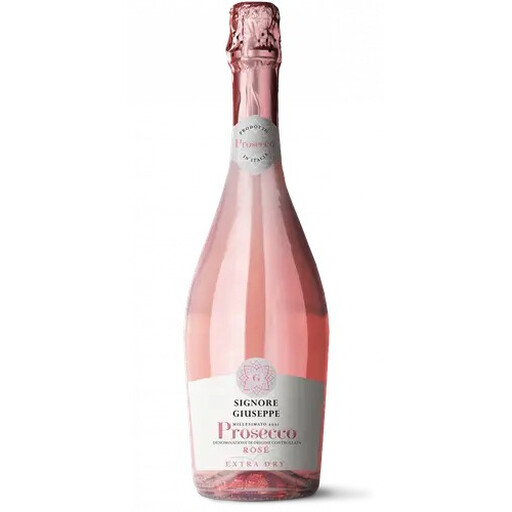
Why this choice suits this profile : Its fruity rosé profile and stated alcohol content of 10 to 11% vol. suit sociable aperitifs as well as relaxed meals.
The region, main grape variety — glera —, extra-dry dosage and serving temperature are stated to make comparison easier.
A stated blend of 85% glera and 15% pinot noir, fine bubbles and red-fruit aromas.
Why this choice suits this profile : Stated at 0% vol., this bottle lets you keep the ritual of a sparkling drink during a meal or reception.
The stated alcohol content, format and serving conditions are detailed, rather than leaving the buyer to infer the composition from the words « alcohol-free » alone.
A French rosé from Provence, with stated notes of lemon and red fruit, best served between 8 and 10°C.
We have compiled a complete, real-time updated list of products that fully meet these strict selection criteria and European safety regulations.
Follow the legal drinking age requirements, allergen information and warnings shown on the packaging. The sale and consumption of alcohol are restricted to adults. Alcohol should be consumed in moderation and is not recommended during pregnancy.
Champagne comes from the Champagne appellation area and complies with its appellation rules. Crémant is produced in another French region, such as Burgundy, Bordeaux or Alsace, according to the rules of its appellation. Both can have fine bubbles and be made using the traditional method, but they are not interchangeable on the label.
An opened bottle can generally be kept in the fridge with a special stopper for sparkling wine. How long it lasts depends on the wine, how full the bottle is and how effective the closure is. To preserve the bubbles as well as possible, it is best to drink it within 1 to 2 days.
A temperature of between 8 and 12°C is suitable for most bottles. A fruity rosé or prosecco can be served well chilled, while a brut champagne will benefit from being slightly less cold so that more of its aromas can emerge. Always check the recommendations shown on the product information or label.