
Livraison le jour même ou le lendemain

Qualité garantie

Débloquez vos offres de bienvenue: Livraison GRATUITE | Jusqu'à -80 % | 30 jours d'essai gratuits à JoyPlus
Téléchargez l'application
The wave of Asian flavours is making a splash far beyond the dinner plate. A growing number of curious foodies are now exploring the beverages that traditionally complement these cuisines. If you're looking to venture beyond the usual wine and beer, the world of rice alcohol holds an unexpected richness. But between Japanese sake, Korean makgeolli, and other rice wines, it's easy to feel a little lost.
This guide is here to break down the differences between these fermented drinks and give you the keys to finding the perfect bottle, whether you're a novice or searching for new gems for your sake food pairings.
Before we get to our top picks, here are a few key points to help you start buying Asian alcohol with confidence.
The "rice alcohol" label covers beverages with very distinct and strong personalities.
The alcohol by volume (ABV) is an excellent indicator of when and how to enjoy your bottle. A makgeolli between 3% and 6% is perfect for a light aperitif or to accompany a spicy dish without overwhelming the palate. A sake typically ranges from 13% to 16%, putting it on par with a full-bodied wine. Some modern sakes, designed for the European market, feature milder ABVs, around 7-8%.
The harmony of flavours is the key to a successful tasting experience. Here are a few ideas for your sake food pairings and other rice alcohols:
Our team has tasted and selected three bottles that perfectly illustrate the diversity of rice alcohol.
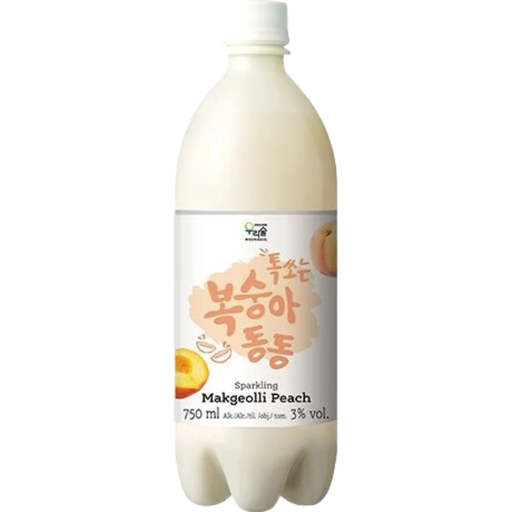
What Makes It Stand Out
This makgeolli stands out with its fruity touch and highly approachable style. The addition of natural peach extract lends it a delicious roundness that complements the typical sweetness of fermented rice. Its smooth texture and feather-light alcohol content (3%) make it an incredibly refreshing drink.
Highlights
Who Is It For?
This is the ideal entry point for anyone discovering makgeolli or looking for a light, unconventional alcoholic beverage. It will easily win over fans of fruity and slightly sweet flavours.
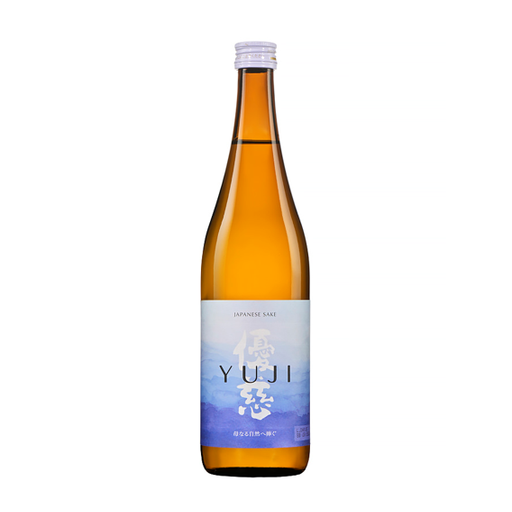
What Makes It Stand Out
YUJI sake was specifically developed to appeal to the European palate. Brewed in Kobe, it boasts a modern and highly aromatic profile. Its notes of acacia honey and green apple, as described by the producer, bring it closer to certain white wines, making it a perfect gateway for newcomers. Its moderate alcohol content of 7.3% makes it much lighter than most traditional sakes.
Highlights
Who Is It For?
Perfect for white wine lovers who are curious to explore Japanese sake without being overwhelmed. It's also an excellent option for those seeking a less heady sake that can be enjoyed throughout an entire meal.
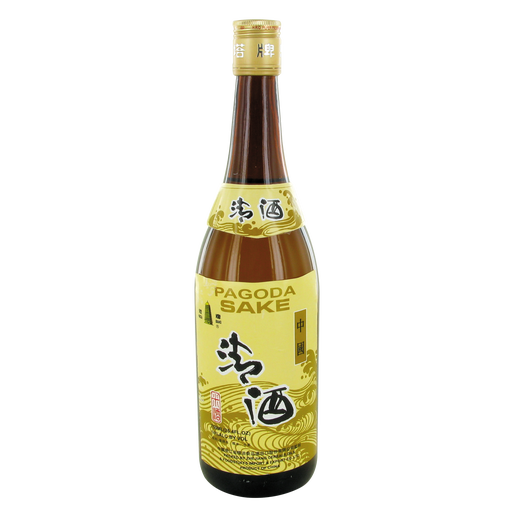
What Makes It Stand Out
This product, sometimes mislabeled "Chinese sake," is a prime example of Chinese rice wine. At 16% ABV, it is much more full-bodied than our other two suggestions. Its simple recipe (water, fermented rice, rice alcohol) reveals a direct and powerful flavour profile, characteristic of Chinese drinking rice wines.
Highlights
Who Is It For?
For flavour explorers who want to venture beyond Japan and Korea, or for those who enjoy spirits with body. It will also delight cooks looking for a versatile, high-quality ingredient for their Asian dishes.
This selection is just a taste of what the world of rice alcohols has to offer. Each country, region, and even each brewery offers unique variations. If you'd like to explore a wider range of sakes, Korean spirits, or other Asian beverages, feel free to browse our catalogue.
? Discover our complete collection of wines and spirits
Sake is a very specific category of Japanese rice wine, which follows a highly regulated production process (rice polishing, multiple parallel fermentation). The term "rice wine," on the other hand, is much more generic. It can refer to beverages from other countries (China, Korea, Vietnam, etc.) whose production methods and flavours can be radically different. Simply put: all sake is a type of rice wine, but the reverse is far from true.
For most rice alcohols, especially sake and makgeolli, refrigeration is essential after opening. Makgeolli, which is often unpasteurised and therefore a "living" beverage, should be consumed quickly (within a few days) to retain its freshness. A sake will keep for one to two weeks, but its delicate aromas will gradually fade. Stronger rice wines (around 16-20% ABV) last a bit longer.
Yes, absolutely! Using a good sake or a drinking-quality rice wine in a recipe can truly elevate a dish. However, for everyday cooking, dedicated cooking alcohols like Shaoxing wine (often salted) or cooking sake (ryorishu) are more economical. They are also designed to better withstand heat while imparting deep umami notes.