You've found the perfect recipe for Dongpo pork or Kung Pao chicken, but one ingredient has you stumped: "Chinese cooking wine". A quick search reveals a maze of options: Shaoxing wine, liaojiu, rice cooking wine... How do you navigate this to capture that authentic flavour that makes all the difference?
As Joybuy's Head of Product Recommendations, I'm here to shed some light. This guide gets straight to the point: demystifying the different Asian cooking wines and helping you choose the right one for your needs, without any unnecessary jargon. Together, let's explore the essential criteria and discover a selection of products to elevate your dishes.
How to Choose the Right Asian Cooking Wine??
The right cooking wine can transform an everyday meal into a memorable experience. Here are three key points to help you make the right choice.
1. Understand the Main Types: Liaojiu vs. Shaoxing Wine
Most Chinese cooking wines fall into two main categories.
- Liaojiu (料酒): This is the generic term for cooking wine. It's typically a basic rice wine, often infused with spices (star anise, ginger, etc.) and salt. Its main purpose? To neutralise strong odours in meat or fish and provide a background flavour. It's a versatile, everyday ingredient.
- Shaoxing Wine (绍兴酒): Hailing from the city of Shaoxing, this rice cooking wine is made from glutinous rice, wheat, and local water. Its fermentation process gives it an amber colour and a much more complex flavour profile, with notes of nut, caramel, and a hint of acidity. Aged versions offer even more depth. It's the preferred choice for braised dishes and sophisticated sauces.
2. The Importance of Salt and Additives
Many commercially available cooking wines contain salt. This addition serves a dual purpose: it makes them unfit for drinking (which helps avoid alcohol taxes in some countries) and acts as a preservative.
When using a salted cooking wine, remember to adjust the amount of salt or soy sauce in your recipe to avoid over-salting your dish. For full control over the seasoning, a pure, unsalted Shaoxing wine (meant for drinking) can be used, but options designed for cooking are often more convenient and budget-friendly.
3. Match the Wine to the Use: Marinating, Deglazing, or Simmering
How you plan to use it is your best guide. The right wine for every dish!
- For marinades: A standard liaojiu, perhaps one infused with ginger and scallion, is perfect. It tenderises the meat and neutralises unwanted odours before cooking.
- For deglazing a wok: A splash of cooking wine at the end of cooking helps to lift the browned bits from the pan and release an intense aroma. A liaojiu or a young Shaoxing wine works perfectly.
- For simmered dishes and complex sauces: An aged Shaoxing wine is an excellent choice. Its aromatic complexity enriches the broths and sauces of dishes like Hong Shao Rou braised pork or Peking duck.
Chinese Cooking Wine Recommendations
Here are a few products that illustrate this diversity, each catering to a specific need.
For Authenticity and Depth: Kuai Ji Shan Chunzheng 5-Year-Aged Shaoxing Wine
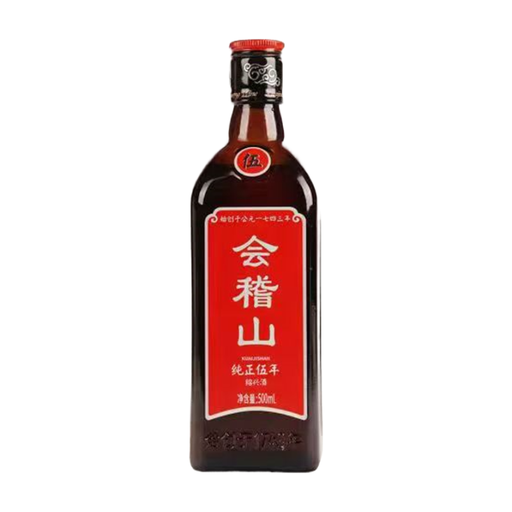
- Why it stands out: This is an authentic Shaoxing wine, made from a base wine that has been aged for five years. Brewed using traditional methods with water from Jianhu Lake, glutinous rice, and wheat, it is classified as a premium-grade product under Chinese national standards. More than just a cooking wine, it's a drinking-quality wine that can elevate your dishes.
- Pros: Rich and concentrated aroma, mellow and balanced palate, great complexity for simmered dishes.
- Who is it for?: For enthusiasts who want to recapture the authentic taste of classic Chinese dishes and appreciate the depth that a quality spirit brings to a sauce or braise.
For Everyday Versatility: Chubang Vintage Cooking Wine
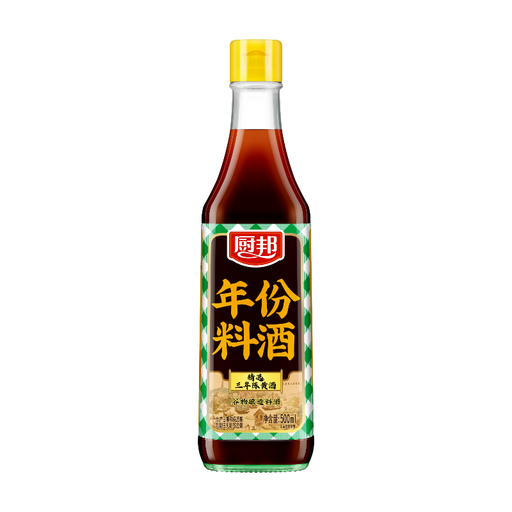
- Why it stands out: Made with 87% rice wine, this liaojiu from the Chubang brand is a pantry staple. It's enriched with spice extracts and dried tangerine peel, giving it a subtle yet effective aromatic dimension for everyday cooking.
- Pros: Very effective at eliminating meat and fish odours, adds an aromatic touch to stir-fries, excellent value for frequent use.
- Who is it for?: Ideal for home cooks and seasoned chefs alike who need a reliable and versatile rice cooking wine for marinades, stir-fries, soups, and stews.
For Convenience and Efficiency: Wang Zhihe Ginger & Scallion Cooking Wine

- Why it stands out: This cooking wine gets straight to the point. It is directly infused with scallion and ginger powder, two fundamental aromatics in Chinese cuisine for flavouring and tenderising meats. It's an all-in-one solution that simplifies prep.
- Pros: Saves time in the kitchen, very effective for quick marinades, specially designed to neutralise strong flavours in meat and fish.
- Who is it for?: Perfect for those who prioritise efficiency above all. If you often prepare marinades for pork, chicken, or fish, this product will make your life easier.
Looking for Other Options?
Our selection covers the most common needs, from the all-purpose product to the more refined Shaoxing wine. Of course, the world of Asian cooking wine is much broader. To explore other brands, different age statements, or rice wines from other parts of Asia, feel free to browse our full category.
Discover Our Full Range of Asian Wine
Frequently Asked Questions About Chinese Cooking Wine
1. Can you substitute Chinese cooking wine with dry white wine or sake?
In a pinch, it's an option, but the result won't be the same. Dry white wine will add acidity but lacks the complex, slightly sweet notes of rice wine. Japanese sake is a closer match, but Shaoxing wine, in particular, has a unique aromatic profile with earthy, nutty notes that are hard to replicate and form the signature of many Chinese dishes.
2. Does the alcohol in Chinese cooking wine remain in the finished dish?
Yes, it contains alcohol (typically ranging from 12% to 18% ABV). However, a large portion of this alcohol evaporates during cooking, especially in high-heat stir-fries or long-simmered dishes. The alcohol plays a crucial role: it helps to dissolve aromatic compounds and tenderise proteins. What's left behind is primarily the flavour.
3. How should I store cooking wine after opening the bottle?
To preserve its aromas, store your Chinese cooking wine in a cool, dry place, away from direct sunlight. Reseal the bottle tightly after opening. Some manufacturers recommend refrigeration to maintain optimal quality, especially for less-salted wines. Check the product label for specific instructions.


