
Livraison le jour même ou le lendemain

Qualité garantie

Débloquez vos offres de bienvenue: Livraison GRATUITE | Jusqu'à -80 % | 30 jours d'essai gratuits à JoyPlus
Téléchargez l'application
Choosing a support for your climbing plants? It seems like child's play. And yet, how many gardeners have ended up with netting that disintegrates under the sun or sags miserably under the weight of the first vegetables? A disappointment that can ruin months of effort. This guide is here to help you avoid the common pitfalls and choose THE trellis netting that will ensure a bountiful harvest and a perfectly organised vegetable garden.
Before you decide, keep these three common setbacks in mind that can turn a small investment into a big disappointment.
To ensure your trellis netting will do its job season after season, focus on these three technical points.
The longevity of your plastic garden mesh depends on its composition. The most reliable materials are polypropylene (PP) and polyethylene (PE), which are lightweight, rot-proof, and durable polymers.
But the real non-negotiable feature is the presence of a UV stabilisation treatment. This protection is what prevents the plastic from becoming brittle under the sun and guarantees you can reuse your net for several years. Without this mentioned, consider it a disposable product, no matter how sturdy it appears.
The effectiveness of a trellis for climbing plants is a matter of the right proportions.
A good net shouldn't turn installation into a headache. Its light weight is a real plus for effortlessly attaching it to wooden stakes, metal posts, or a pergola. Its flexibility is also a key criterion for adapting it to your needs: vertically for beans, or even horizontally for the "scrog" technique. Finally, think about the off-season: a net that's easy to clean, fold, and store away for the winter is a net that will serve you for a long time.
Here are a few options that meet our quality criteria, suited for different types of gardeners.
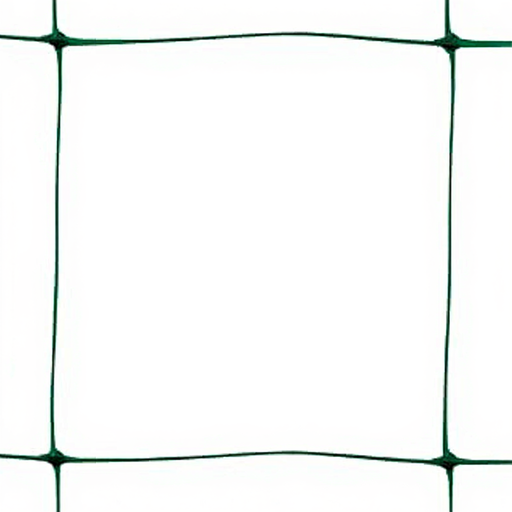
Editor's Pick: Perfect for small spaces like a garden bed or a large balcony planter. Its dimensions are ideal for lightweight crops: peas, climbing bush beans, or mini-cucumbers.
Made of polyethylene and polypropylene, it's treated to withstand the elements. No more plastic that degrades in a single season.
Its feather-light weight (100 g) makes it incredibly easy to install, even on lightweight stakes. No need to bring out the heavy-duty gear.
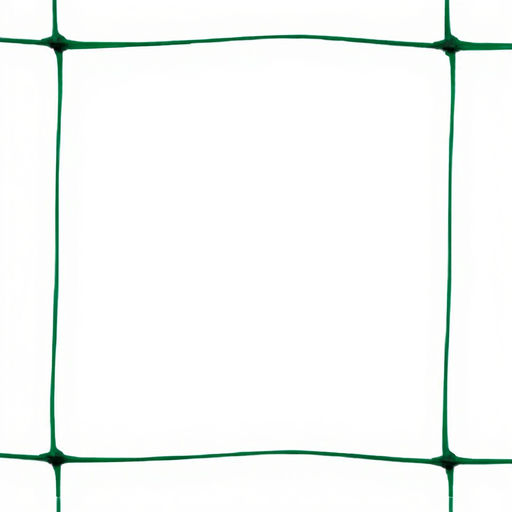
Editor's Pick: With its 1.70 m height, it's tailor-made to support the growth of tomato plants, cucumbers, and other gourds. It provides reliable support for heavy vegetables, keeping them well off the ground to prevent rot.
Its high-strength polypropylene (PP) is treated to prevent sagging under the weight of the fruit. It's your guarantee that you won't see your beautiful tomatoes end up on the ground.
Its open-weave design optimises sun exposure and air circulation—two keys to healthy plants and a more abundant harvest.
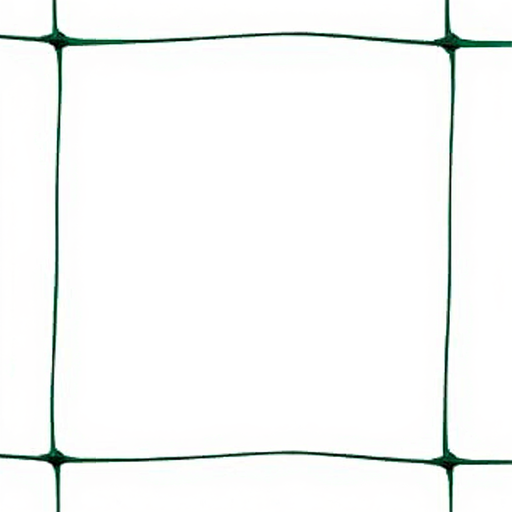
Editor's Pick: The perfect solution for large vegetable gardens or for managing multiple types of crops. At 2 metres high with a generous length, this pack offers maximum flexibility for the most vigorous varieties.
Its UV-stabilised plastic is built to last. This is an investment for several seasons, not a disposable product you have to replace every year.
The bundle format is unbeatable for covering a large area cost-effectively. A smart choice for optimising the budget of a large garden.
Explore our complete selection of plant supports, all vetted by our editors for their durability and effectiveness.
It's simple! Firmly plant stakes at the ends of your row, spacing them slightly less than the length of the netting. Unroll it and secure it at the top and bottom, making sure it's pulled taut. For longer runs, don't hesitate to add a stake every 2 to 3 metres for better stability.
Absolutely, but on one condition: you must choose a quality product. A polypropylene or polyethylene net with UV-resistant treatment will last for several seasons without any issues. The secret to its longevity? At the end of the season, clean it, dry it thoroughly, and store it away from moisture and light.
It all depends on the crop. For climbing beans and peas, 1.50?m to 1.80?m is sufficient. However, for tomatoes (especially indeterminate varieties) and cucumbers, which are heavier and more ambitious, you need to plan ahead: aim for a net that is at least 1.70?m to 2?m high to support them all season long.