
Livraison le jour même ou le lendemain

Qualité garantie

Débloquez vos offres de bienvenue: Livraison GRATUITE | Jusqu'à -80 % | 30 jours d'essai gratuits à JoyPlus
Téléchargez l'application
Tomatoes, beans, cucumbers, peas and climbing flowers quickly spread out. A trellis net for climbing plants helps guide stems upwards, organise your rows and free up ground space. However, you need to choose a model suited to the available area, the weight of the plants and the type of fixing you plan to use.
A 20-metre net may seem like a great deal, but its width is just as important when assessing the actual area it will cover. A narrow model is enough for a row of beans, while a 2-metre-high net can support several tomato or cucumber plants.
Before ordering, carefully measure:
A lightweight plant support net is easy to transport and install. However, it must remain sufficiently strong as the plants grow in size and weight. Mesh that is too fine or fixings that are too widely spaced can cause the net to sag in the middle of the growing season.
The weight of the net alone is therefore not enough to assess its durability. Instead, look at the material, the mesh design and the option to add more attachment points.
Sunlight, moisture, wind and the weight of the plants put garden trellis netting under considerable strain for several months. Plastic materials designed for horticulture are often preferred to metal when you want a lightweight, rust-free solution. However, performance can vary considerably from one product to another.
For outdoor use, choose a model with stated UV resistance, made from a material suitable for garden use and supplied with clear installation instructions. Also bear in mind that a net is neither a load-bearing structure nor equipment designed to support a person.
A climbing net is fixed vertically between posts, against a fence or on a frame. Depending on the layout, it can also be installed horizontally to guide low-growing plants or gradually support their growth.
Polypropylene and polyethylene are commonly used for nets designed for climbing vegetables. Lightweight, flexible and rust-proof, they are well suited to use in the garden. However, the product description should specify the material used, as tensile strength and resistance to sunlight can vary from one model to another.
A polypropylene net can be reused for several seasons if you remove it after harvesting, clear away plant debris and store it somewhere dry. This avoids placing unnecessary strain on the net and makes it easier to put back in place the following year.
Mesh that is sufficiently open allows stems to catch onto it more easily while keeping the plants clearly visible. For a support intended for tomatoes and beans, secure the net to stable posts and distribute the fastenings along its entire length.
When installing it:
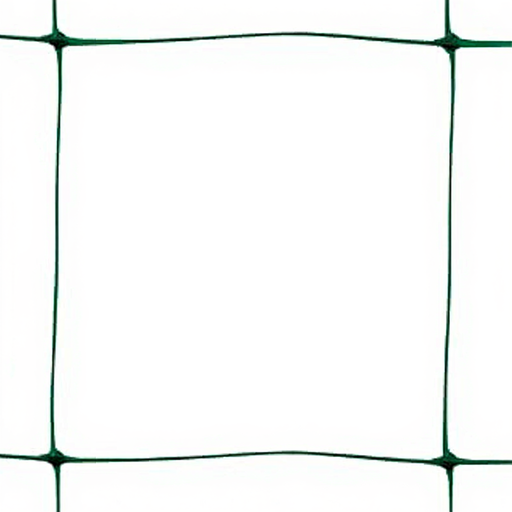
Why this choice suits this profile : Its 1.5 × 10 m size is ideal for a first installation in a small vegetable garden, family garden or along a fence.
The coverage area is clearly stated, and the listed weight of 0.1 kg makes it easy to handle without requiring a professional installation.
A discreet green mesh, a rectangular format and a material described as a blend of polyethylene and polypropylene.
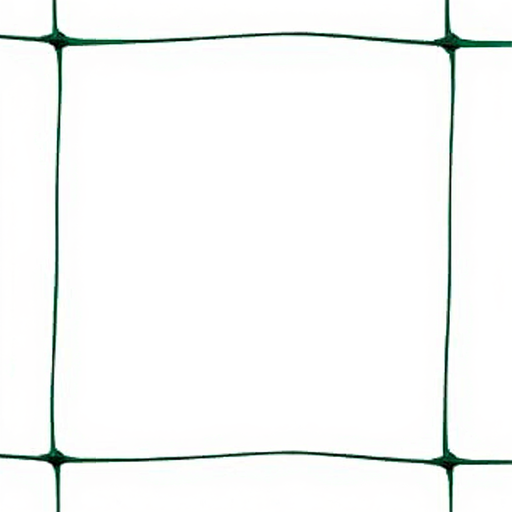
Why this choice suits this profile : At 2 × 20 m, this net covers a large area and helps organise several rows of vegetables in a well-planned vegetable garden.
Its dimensions avoid the need to join several small nets to cover a large area. The product description also mentions UV protection.
Large coverage, open mesh and the option to install it on posts, frames or fences.
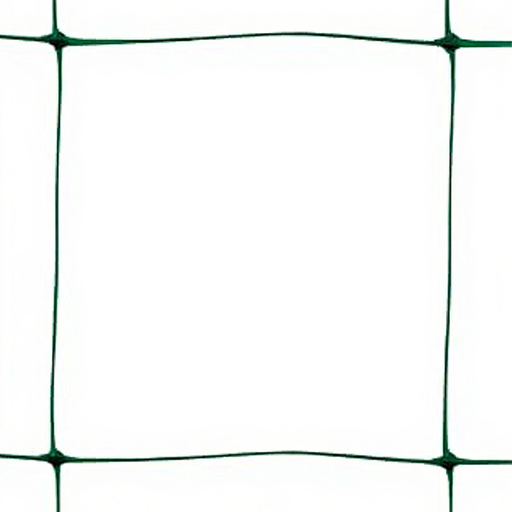
Why this choice suits this profile : This net is aimed at those who regularly organise several vertical crops and want to reuse it after storing it away.
The product description states that it is tear-resistant and has a metal-free design, so there is no risk of rust. These are important points to check when using it repeatedly from one season to the next.
Stated polypropylene construction, wide mesh and minimal maintenance: simply remove debris and store it somewhere dry.
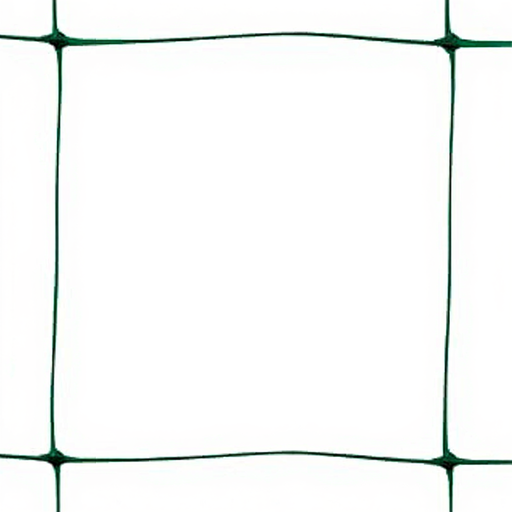
Why this choice suits this profile : Its 1.7 m height is suitable for tomatoes, beans, cucumbers, courgettes, flowers and other plants that need vertical support.
The product description reminds you that secure fixing is essential and specifies that the net must not be used as a load-bearing structure or climbing equipment.
A 1.7 × 10 m format, green colouring and stated resistance to mould, bacteria and certain agricultural chemicals.
We have put together a complete, real-time selection of products that meet these demanding criteria, while also taking European safety regulations into account.
A net’s service life depends on its exposure, the tension placed on the mesh and its storage conditions. To protect your vegetable garden trellis:
A green net generally blends into the vegetation, but its colour cannot make up for unsuitable fixing. In an area exposed to wind, use firmly anchored posts and keep the tension reasonable.
Install two rows of posts or a stable frame, then secure the net along the sides and at the ends. Add intermediate fastenings to distribute the load more evenly. You can then gradually guide the plants through the mesh.
For a small growing row, a 1.5 × 10 m format may be sufficient. For several rows or a taller structure, a width of 1.7 to 2 m provides more support area. Always measure the structure before placing your order.
Some models are designed for outdoor use and offer stated UV resistance. However, permanent exposure will generally shorten their service life. Removing the net at the end of the season and storing it somewhere dry is a simple precaution that helps limit wear.