
Livraison le jour même ou le lendemain

Qualité garantie

Débloquez vos offres de bienvenue: Livraison GRATUITE | Jusqu'à -80 % | 30 jours d'essai gratuits à JoyPlus
Téléchargez l'application
A trellis net for climbing plants helps save ground space, keep rows organised and make harvesting more accessible. However, not every model is equally suitable for every application. Netting that is too flexible may sag under the weight of tomatoes, while a poorly sized net can be difficult to install in a greenhouse or raised bed.
This selection from the Joybuy Product Recommendation Officer is based on the product specifications provided and the everyday needs of gardeners in France. The aim is to help you compare dimensions, materials and applications without relying solely on marketing claims.
A 20-metre roll may seem appealing, but you should also check the height of the net and the mesh layout. For tomatoes or climbing beans, vertically installed trellis netting must cover the entire growing area. In a small greenhouse, a width of 1.50 or 1.70 m is often easier to tension than a 2 m model.
Measure the distance between the posts, fence or hoops before ordering. The stated length generally refers to the net when fully extended, not to the area that can actually be used once the netting has been secured.
Polypropylene and polyethylene nets are lightweight and will not rust, unlike some metal supports. Their performance also depends on UV treatment, mesh quality and how securely the net is installed.
For netting exposed to sunlight throughout the season, look for the wording UV-stabilised or a specification indicating extended outdoor use. If no such information is provided, it is better to consult the technical specifications or ask the seller for confirmation rather than assume a particular service life.
Tomato netting is not a load-bearing structure. Stems, fruit and gusts of wind gradually place tension on the net. Posts must therefore be firmly anchored and the net properly tensioned. Under no circumstances should the products in this selection be used as a ladder, guardrail or support for people.
The most common formats in this range are:
Vertical vegetable-garden netting is generally secured between two posts. It can also be installed horizontally for certain ornamental plants, provided the frame is sufficiently rigid and stable.
A wide, fine mesh gives stems plenty of room to latch on and promotes airflow around the foliage. The exact mesh size should nevertheless be checked in each product listing, as it is not always specified.
Prepare suitable fasteners, soft ties or staples. Avoid pulling the netting excessively tight, especially when installing it in cold weather. Closely spaced fixing points along the sides and top help minimise deformation.
Polypropylene is widely used for garden trellis netting because it is lightweight, flexible and rust-resistant. Some models are described as resistant to mould, bacteria or certain agricultural chemicals. These statements reflect the specifications provided for the products and do not replace the manufacturer’s recommendations.
At the end of the season, remove dry stems, allow the net to dry completely, then store it away from moisture and frost. This helps reduce the risk of tangling and makes it easier to reuse.
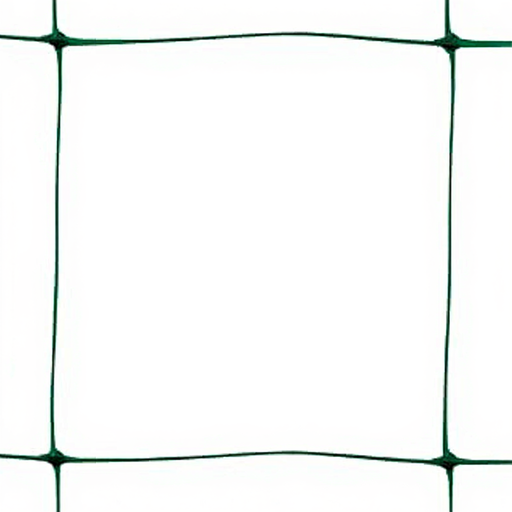
Why this is a good fit: its compact format is ideal for a small vegetable garden, fence or a few tomato, bean and climbing flower plants.
With 15 m² of coverage, it avoids the need to buy a large roll for a limited installation. Its stated weight of 0.1 kg makes it easy to handle.
Rectangular format, stated polyethylene and polypropylene construction, and installation on posts, frames or fences.
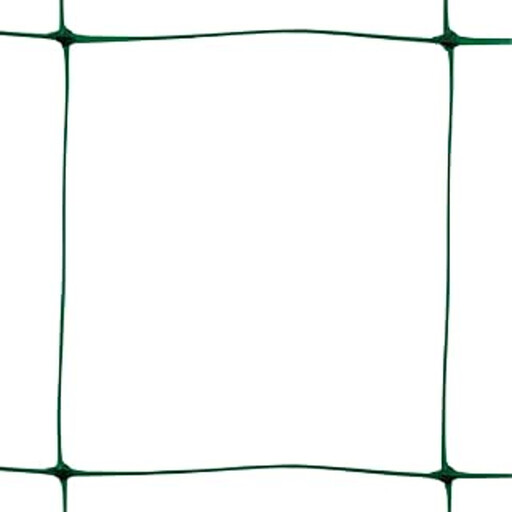
Why this is a good fit: its 2 m height can support tomatoes, cucumbers, peas, beans and flowers, whether installed vertically or horizontally.
The product listing mentions polypropylene construction and resistance to sunlight. Careful installation remains essential to prevent the net from sagging.
A 20 m² roll, mesh described as wide and fine, and storage after removing plant debris.
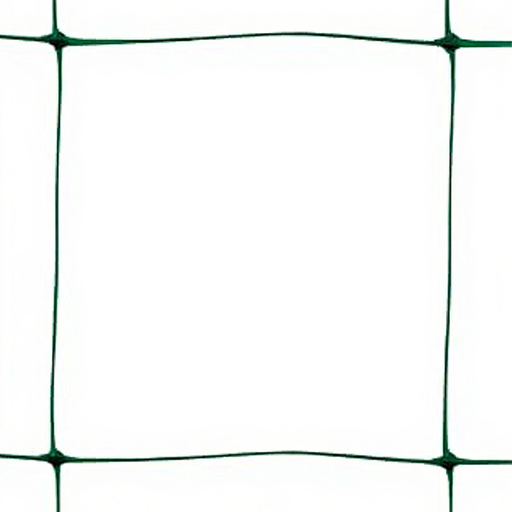
Why this is a good fit: this pack of two nets is suitable for large vegetable gardens, several rows or seasonal greenhouse installations.
With 40 m of total length, it can cover several areas without joining small sections together, reducing the number of connections that need maintenance.
Stated polypropylene construction, UV protection indicated in the listing, tear resistance and potential for reuse after dry storage.
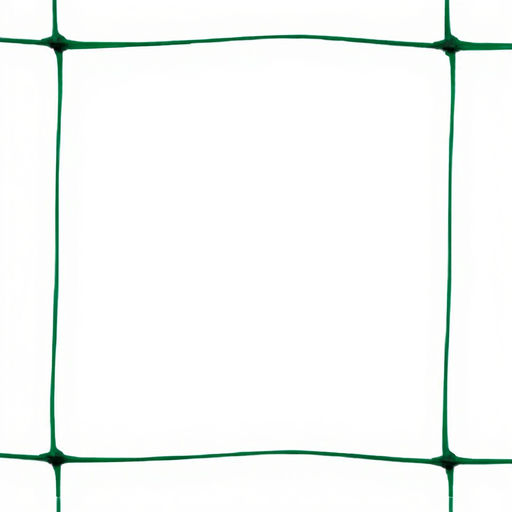
Why this is a good fit: its format suits a greenhouse structure or a row of posts for tomatoes, peas, cucumbers and beans.
The listing specifies the dimensions when the net is fully extended and recommends tensioning it correctly. Since the mesh size is not provided, check this detail against your crops.
Polypropylene construction, can be cut to suit your layout, and stated suitability for gardens, greenhouses and outdoor growing systems.
We have put together an updated selection of products matching these criteria for garden installations in France.
A net for cucumbers and peas can be installed vertically, while netting intended for climbing beans should above all be tall enough and properly tensioned. For tomatoes, provide a support system for climbing vegetables that does not rely solely on the stems if the trusses become heavy.
Its service life depends on UV exposure, crop weight, wind and storage conditions over winter. A model advertised as UV-stabilised and stored in a dry place may be reused for several seasons, but no precise lifespan can be guaranteed without knowing the conditions of use.
Yes, several models can be cut to fit a fence, greenhouse or raised bed. The ends must then be secured, with enough allowance left for fastening. Do not stretch the net beyond its natural shape, as this may cause it to deform.
No. The trellis provides a guiding surface, but it must be secured to a stable structure. For a heavy crop or an installation exposed to wind, reinforce the corners and anchoring points. The net must not be used as a load-bearing structure for people.