
Livraison le jour même ou le lendemain

Qualité garantie

Débloquez vos offres de bienvenue: Livraison GRATUITE | Jusqu'à -80 % | 30 jours d'essai gratuits à JoyPlus
Téléchargez l'application
A trellis net for climbing plants helps you save ground space, keep your crops clean and make it easier to care for tomatoes, beans, peas and cucumbers. However, you need to choose a model suited to the area to be covered and the weight of the plants.
When shopping, certain pitfalls come up time and again:
For a small flowerbed, raised bed or compact greenhouse, a 1.5 x 10 m garden net may be ideal. At 1.5 m high, it allows moderately sized plants to be trained along a useful length.
The 1.7 x 10 m garden net offers extra height. It can be particularly useful for climbing beans, cucumbers or vertically trained tomatoes, provided you have supports that are tall enough.
For a large vegetable garden frontage, several rows or a long installation, a 2 x 20 m net covers a larger area. Before placing your order, measure the space and allow some extra length for securing and tensioning the trellis.
Garden nets are generally made from polypropylene, polyethylene or a mixture of plastics. Polypropylene is lightweight, does not rust and is easy to attach to posts or a greenhouse structure.
Protection against ultraviolet rays also deserves your attention if the net is to remain outdoors throughout the season. This does not make the product indestructible: exposure to sunlight, wind, the weight of the plants and storage conditions all directly affect its lifespan.
Also check the information about the mesh, maximum load and conditions of use. If the mesh size is not specified, at the very least make sure that the seller states the net’s overall dimensions and provides installation recommendations.
A support net for tomatoes or a climbing net for beans, peas and cucumbers should be secured at several points. Properly spaced posts, a wooden frame or a greenhouse structure can be used as support. However, avoid tensioning the net too tightly: this could distort the mesh and place excessive pressure on the ties.
To support young shoots, choose flexible ties and leave a little room around the stem. Natural jute garden twine for tying plants can complement the installation, particularly for supporting a stem at the start of its growth or gathering branches without constricting them.
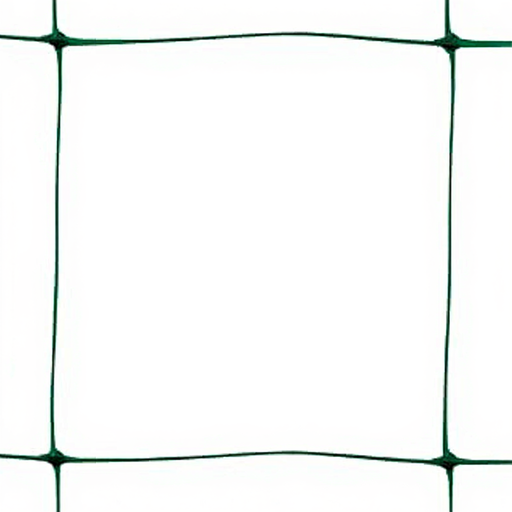
Why this product suits this profile : Its 1.5 x 10 m format is suitable for a family vegetable garden, small greenhouse or fence to be covered with plants, without complicated installation.
The dimensions are clearly stated, and this lightweight 0.1 kg net is easy to handle during installation. However, you will need to provide suitable fixing points.
Rectangular format, discreet green colour, lightweight and flexible material, can be cut to adjust the area covered.
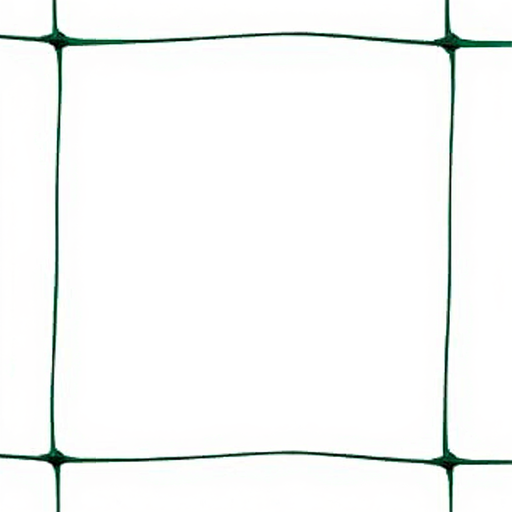
Why this product suits this profile : Its 2 x 20 m format meets the needs of a large vegetable garden, several rows or a substantial vertical growing project.
Its large surface area reduces the need for makeshift joins, which often lead to uneven plant support. However, the tension must be distributed across a stable structure.
Covers up to 40 m² depending on the configuration, open mesh that promotes air circulation and allows light through, green colour.
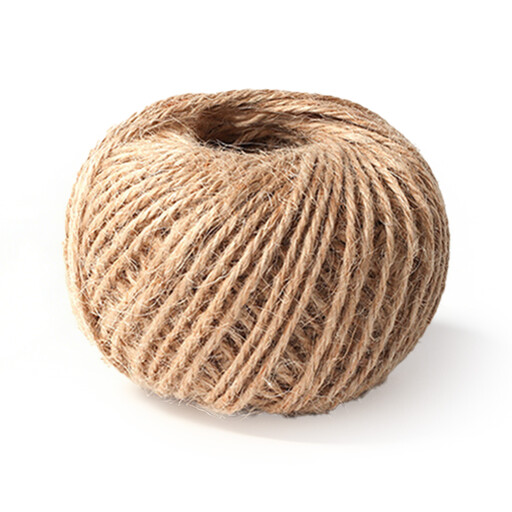
Why this product suits this profile : This roll complements a vertical growing net for occasional tying, DIY projects, decorating or weaving.
Its 2 mm diameter lets you cut lengths to suit, rather than reusing ties that are too short or too rigid. Natural jute should be kept dry between uses.
50 m roll, natural fibre, textured surface for a good grip, suitable for gardening and creative projects.
Wear gloves during installation and keep tools out of children’s reach. To store the net, remove any plant debris, allow it to dry, then keep it away from moisture and rodents.
A 1.5 m net may be suitable for a compact installation and plants that are trained regularly. For more vigorous crops or a greenhouse, a height of 1.7 m provides more space for training. The height that is genuinely useful also depends on how deeply the posts are driven into the ground and your pruning method.
Attach it to posts, a fence or a rigid frame, then distribute the ties along the sides and centre. Beans and peas can wrap around or grip the net themselves, while some tomatoes and cucumbers need to be guided with flexible ties.
It depends on the material, exposure to sunlight, the load it supports and storage conditions. A polypropylene net or plastic net treated against UV rays can last for several seasons if you avoid overloading it, rubbing it against rough surfaces and storing it somewhere damp. Always inspect its condition before reinstalling it.