
Livraison le jour même ou le lendemain

Qualité garantie

Débloquez vos offres de bienvenue: Livraison GRATUITE | Jusqu'à -80 % | 30 jours d'essai gratuits à JoyPlus
Téléchargez l'application
Rust after one winter, a structure collapsing under the weight of tomatoes, a support unsuitable for your roses… Choosing a climbing plant trellis might seem trivial, but the wrong purchase can quickly become a disaster for your garden and your wallet. To help you avoid these disappointments, let's review the common pitfalls and the criteria that truly make a difference.
Don't be fooled by slick marketing promises. Tempting claims often hide design flaws. Here are the three most common mistakes that can cost your garden dearly.
To ensure you choose an outdoor climbing plant support that is both durable and functional, there are two key points to check.
The choice of material directly impacts your trellis's durability, maintenance, and use.
The support's form should match the plant type and the desired effect.
Rather than an exhaustive list, we've selected products that meet specific needs, always keeping our criteria of durability and ease of use in mind.
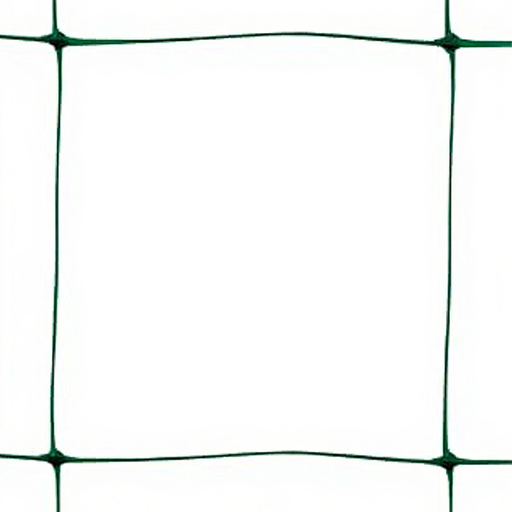
Why this one? Perfect for gardeners who think big. Its generous surface area allows you to guide an entire row of tomatoes, cucumbers, or beans, optimising both space and yield.
Made of polypropylene, it is resistant to both rust and rot, unlike cheap metal grids. Its light weight makes it a much more suitable ally for the vegetable garden than a heavy decorative panel.
Its wide, tear-proof mesh supports the weight of vegetables while ensuring optimal sun exposure and air circulation—a guarantee of healthy plants. An investment that pays for itself over several seasons.
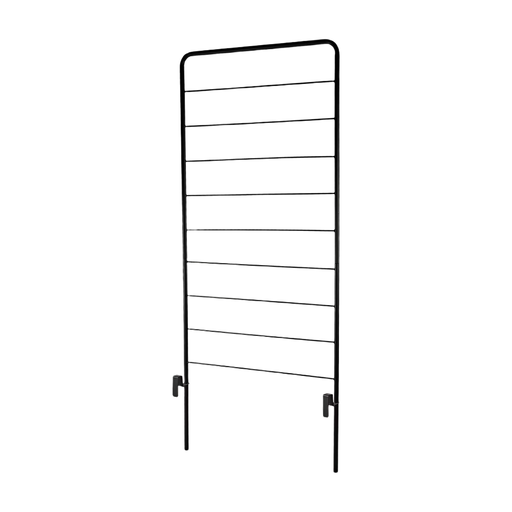
Why this one? It's the perfect solution for anyone looking to combine function with beauty: dress up a wall or create an elegant green partition with perennial plants like jasmine or a climbing rose.
Its powder-coated steel structure guarantees excellent protection against rust, far superior to a simple coat of paint. A long-lasting investment that will save you from having to replace it the following year.
Its clean, contemporary design adds a real architectural touch to the garden. Freestanding (to be staked in the ground) or wall-mounted, it offers great installation versatility.
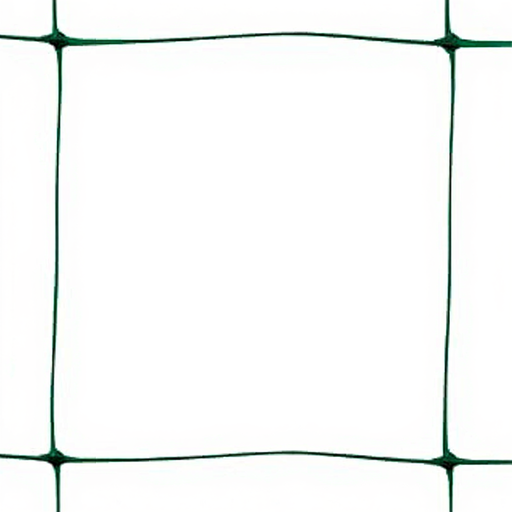
Why this one? Its compact size is tailor-made for balconies, patios, and raised garden beds. It's versatile enough to guide climbing flowers as well as cherry tomatoes or dwarf beans.
It bypasses the complicated assembly trap. Lightweight and flexible, it attaches in a few simple steps to a railing, to stakes in a planter, or to simple hooks—no drill or toolbox required.
It offers the same durability as larger models (UV-treated and weather-resistant polypropylene) but in an ultra-practical format that's easy to handle, even in a tight space.
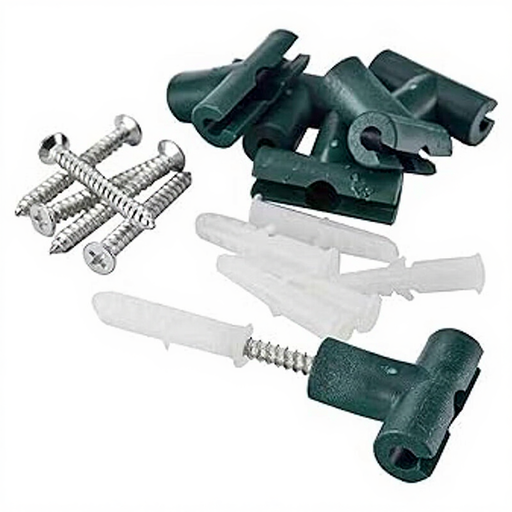
Why this one? This is the game-changing accessory for installing a net or a lightweight privacy screen on a wall, fence, or gate. It guarantees a clean, long-lasting finish.
It solves the infamous "assembly headache" by offering an all-in-one solution: clips, screws, and wall plugs. A major plus: the stainless steel screws prevent ugly rust stains on the wall, a common flaw in budget-friendly hardware.
The clip system holds the netting slightly away from the wall. The result: air circulates better behind the plant, which is better for its health and makes training easier. A simple solution for a professional look.
With minimal care (cleaned at the end of the season and stored away from the elements during winter), a quality UV-treated net can easily last 5 seasons or more. This makes it a very cost-effective choice in the long run.
For a clean installation, it's best to use a dedicated mounting kit with wall plugs suitable for your wall type (brick, concrete, plasterboard...). For netting, specific clips create a small gap between the support and the wall, which improves air circulation and prevents moisture build-up. One last tip: always check for hidden cables or pipes before you drill!
Yes, a dark-coloured metal can become scorching hot in direct sunlight. While actual burns are rare, this excessive heat can stress more delicate plants. To limit this risk, encourage foliage to quickly cover the support. Alternatively, opt for light-coloured trellises or materials like polypropylene, especially for varieties sensitive to heatwaves.