
Livraison le jour même ou le lendemain

Qualité garantie

Débloquez vos offres de bienvenue: Livraison GRATUITE | Jusqu'à -80 % | 30 jours d'essai gratuits à JoyPlus
Téléchargez l'application
A climbing plant net can sometimes transform a small vegetable garden, greenhouse or balcony into a true vertical growing space. Tomatoes, beans, peas, cucumbers and climbing flowers can all grow upwards, while crops remain easier to reach.
However, not all netting performs equally well in use. Mesh that stretches, poorly calculated dimensions or overly light fixings can destabilise the installation as plants grow. Here are the criteria to consider before buying, along with a selection of models suited to different types of gardener.
A 10- or 20-metre net may seem generously sized. However, its height directly determines the available growing area. A 1.50 m-high model will not meet the same needs as netting measuring 1.70 m or 2 m high.
Before placing your order, measure carefully:
For a greenhouse or a row of beans, vertical growing netting is often more practical than a horizontal support. Squashes and particularly vigorous plants, on the other hand, require a sturdy structure. Also keep an eye on the weight of the fruit as the season progresses.
Netting exposed continuously to ultraviolet rays can become brittle over the seasons. Polypropylene or polyethylene models designed for horticultural use are generally lightweight and resistant to moisture. Even so, it is essential to check the manufacturer’s information regarding resistance to weather and UV rays.
Metal can rust, while wood requires regular maintenance. Plastic netting does not need anti-corrosion treatment, but it must be tensioned correctly to prevent tearing and localised deformation.
Even perfectly sized netting will not last long without suitable anchor points. Canes, posts, greenhouse frames, fences and walls do not all offer the same level of resistance.
For installation on a wall or fence, garden netting fixing clips, used with screws and wall plugs, can make installation easier. On posts, choose fasteners suited to their diameter. Netting must never be used as a load-bearing structure or as support for a person.
The mesh must allow stems to hook onto it or be guided with soft ties. A sufficiently wide opening also makes harvesting easier and encourages air circulation around the foliage.
A vegetable garden trellis net measuring 1.50 to 1.70 m high is suitable for many rows of vegetables. For a larger installation, a 2 × 20 m format can cover several areas or be cut to suit the layout of your vegetable garden. However, check whether the stated dimensions refer to the netting «flat» or «stretched».
Choose material described as resistant to pulling, mould and outdoor conditions. This does not mean that the netting is indestructible: excessive tension, sharp corners or an overly heavy plant load can damage it quickly.
To keep it in good condition for several seasons:
A tomato support net can guide stems and keep plants off the ground. Varieties that produce large fruit may nevertheless require additional ties. Beans, peas and cucumbers generally adapt very well to a vertical support.
For flowering plants and young shoots, choose soft mesh and avoid tying stems too tightly. In a greenhouse, make sure the netting does not obstruct door opening or movement between rows.
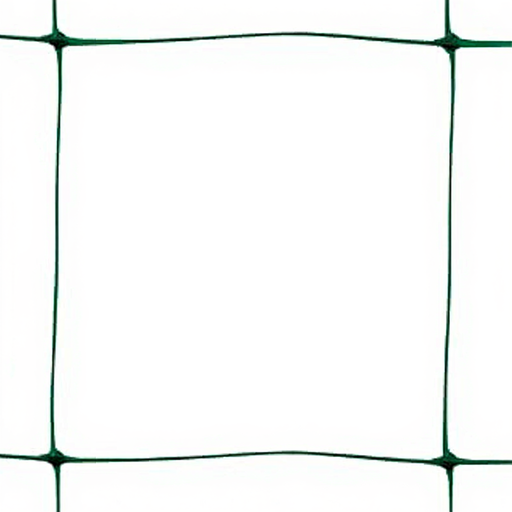
Why this model suits this type of gardener : Its 1.5 × 10 m format is suitable for a small vegetable garden, several planters or a balcony installation. Its lightweight design makes it easy to handle and install on canes, a fence or a frame.
The stated dimensions make it easier to calculate the area required and avoid buying an oversized roll for a small space.
Green polyethylene and polypropylene netting in a rectangular format, with a stated weight of 0.1 kg and installation requiring no professional tools.
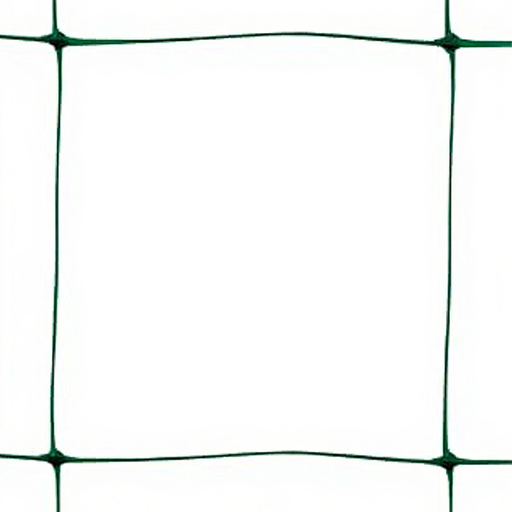
Why this model suits this type of gardener : The 2 × 20 m format is suitable for large vegetable gardens, greenhouses or gardeners who want to organise several rows of vertical crops.
Its generous length reduces the number of joins and minimises waste when setting up a large growing area.
Polypropylene netting suitable for vertical or horizontal use, with a wide mesh that encourages air and light circulation.
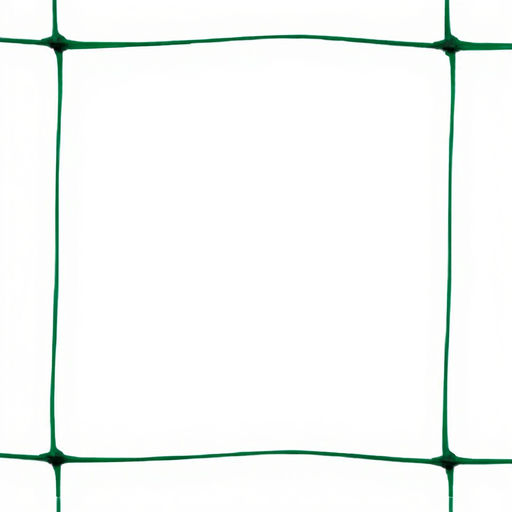
Why this model suits this type of gardener : Its height of 1.70 m is suitable for tomatoes, beans, peas and cucumbers in a vegetable garden or greenhouse. It can be cut to suit different layouts.
The instructions recommend securing it to posts, a frame or a greenhouse structure without overloading it. This makes it easier to size your installation more accurately.
Polypropylene, 1.70 × 10 m format, stated resistance to weather conditions and the option to reuse it after cleaning and dry storage.
We have selected a complete, real-time updated list of products that meet these strict criteria, as well as European safety regulations.
Start by putting the posts or frame in place before unrolling the netting. Leave a little slack so you can tension it, then secure the corners and sides at regular intervals. Netting that is too taut may become misshapen; if it is too loose, it can sag under the weight of the stems.
For attaching it to a wall or fence, the Tenax Green Wall Clips for Trellis (6pcs) kit includes six clips, six screws and six wall plugs. The stainless-steel screws are designed for outdoor use. Nevertheless, check the type of wall and whether the wall plugs are compatible with the surface.
Young plants can be guided by hand or tied with soft ties. Avoid tying directly around fragile parts of the stem. For heavy crops, add independent support points.
Install it between two rows of posts or on a rigid frame. The posts must be driven sufficiently far into the ground and spaced evenly. In a greenhouse, use the components provided as part of its structure to avoid placing excessive strain on the uprights.
Its lifespan depends on the material, exposure to sunlight, tension and the weight of the crops. Plastic netting treated against UV rays can be reused if you remove it without tearing it, clean it and store it away from moisture and rodents. The resistance stated by the manufacturer does not remove the need to check it before each new season.
Not necessarily. An installation on posts may only require simple fasteners, while a wall, fence or gate will often need suitable clips, screws and wall plugs. Check the list of included accessories before ordering to avoid ending up with an incomplete installation.