
Livraison le jour même ou le lendemain

Qualité garantie

Débloquez vos offres de bienvenue: Livraison GRATUITE | Jusqu'à -80 % | 30 jours d'essai gratuits à JoyPlus
Téléchargez l'application
A trellis net for climbing plants can sometimes transform a small vegetable garden into a true vertical garden. Tomatoes, beans, peas, cucumbers and ornamental plants can grow upwards, while the ground remains clear. The key is choosing a model suited to your crops.
Some purchases are disappointing for reasons that are easy to anticipate. A net that is too short means you have to extend it, an unsuitable mesh size will not guide stems properly, and inadequate fixing can cause the whole structure to sag under the weight of the crop. Before choosing a climbing plant net, take the time to check its material, dimensions and installation method.
A 10 m-long net will not necessarily cover a 10 m wall across its full height. Check the height and length separately, then allow enough extra material to secure the net properly. For a greenhouse, fence or support intended for climbing vegetables, measure the structure before placing your order.
Green mesh blends easily into foliage, but its colour says nothing about its strength or ease of use. The mesh size determines how plants attach themselves to it and whether you can reach through it to harvest. If this information is not provided, check the product details carefully or plan to use additional ties.
Even a robust garden net can become misshapen if the posts are too far apart or the edges are not secured properly. Cucumbers and tomato plants laden with fruit can quickly exert considerable pressure. The net must therefore be attached to posts, frames, fences or greenhouse structures that are sufficiently stable, with even tension throughout, without pulling it too tight.
Polypropylene (PP) is lightweight, flexible and resistant to rust. It is suitable for outdoor installations and can easily be cut to fit the layout of your garden. Some models also combine polyethylene and PP. For an installation exposed to sunlight over a long period, look for information about weather resistance or protection against ultraviolet rays.
Jute garden rope serves a different purpose. Natural and biodegradable, it is mainly used to tie stems, secure a plant against a net or create a small decorative structure. It does not replace a vertical growing net, particularly when you need to support heavy plants.
A height of between 1.50 m and 1.70 m is suitable for many home-gardening projects. A length of 10 m can cover a row or several small frames, while a 20 m roll is better suited to larger vegetable gardens and more extensive installations.
For a tomato net, also check the height of the frame and how the plants will be tied. For a bean and cucumber net, a well-tensioned vertical structure supports plant growth while freeing up ground space.
Choose fixings suited to your support: soft ties, staples, hooks or rope. Avoid pulling roughly on the mesh during installation. Nets can generally be cut, but a clean cut helps minimise the risk of distortion.
At the end of the season, remove plant debris, allow the net to dry completely, then store it in a dry place. For plastic models, keep the installation away from flames and all sources of heat. Gloves can also protect your hands from the edges of the net and the posts during installation.
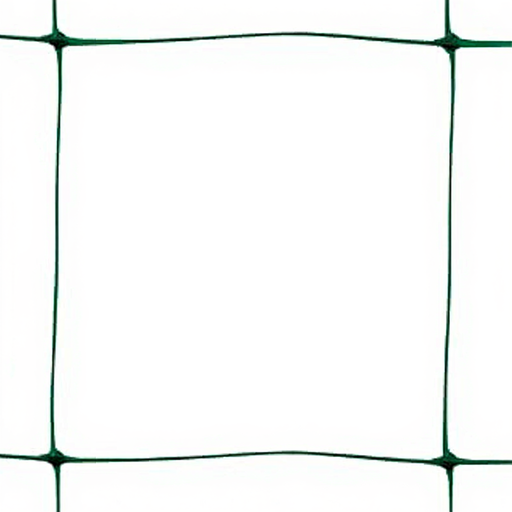
Why this choice suits this type of gardener: Its 1.5 m × 10 m format is ideal for small gardens, raised beds and first installations on posts or fences.
The coverage area is clearly stated, and the lightweight mesh can be secured without complicated installation. Take care not to overstretch it.
Rectangular format, stated weight of 0.1 kg, PE/PP material and cut-to-fit design.
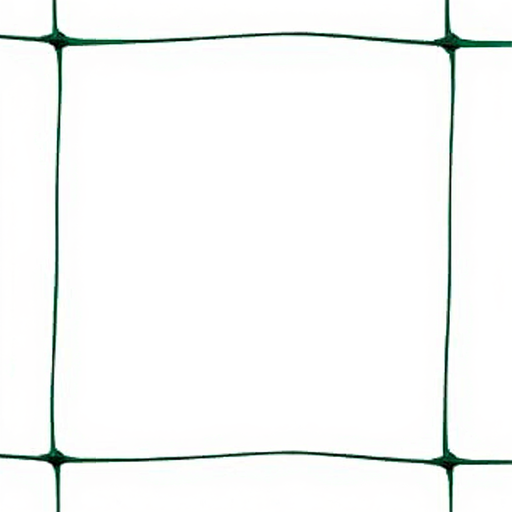
Why this choice suits this type of gardener: The two 20 m nets provide excellent coverage for a greenhouse, several rows or a well-planned vertical vegetable garden.
These dimensions reduce the need to join several lengths together over a large area. Fixing it to posts, frames or fences must nevertheless remain even.
Two 20 m nets, open mesh, UV-stabilised plastic according to the product description and a discreet green colour.
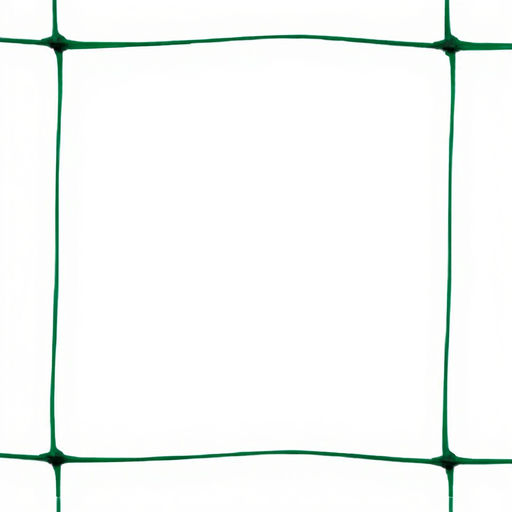
Why this choice suits this type of gardener: Its 1.70 m height is suitable for vertical crops that require taller guidance, whether in the vegetable garden or greenhouse.
Its PP construction and stated reinforcement treatment are suited to outdoor use. As the load capacity is not specified, avoid overloading it.
Dimensions of 1.70 m × 10 m, PP that is resistant to rust, and a net that can be cut and reused once dried and stored.
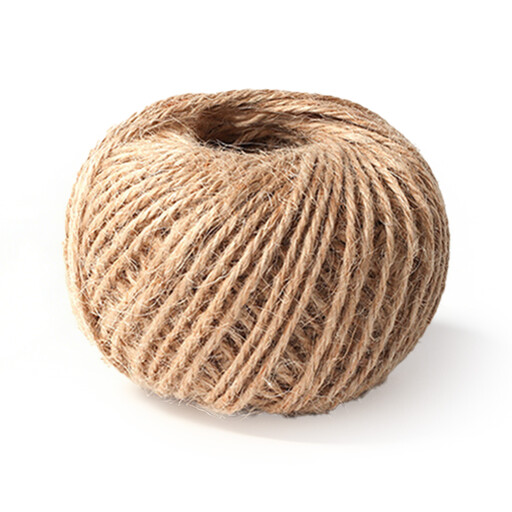
Why this choice suits this type of gardener: It complements a garden trellis by tying stems, securing the ends or creating a rustic-looking installation.
The length and diameter are specified, making it easy to plan your ties precisely. Natural jute must be kept dry and should not be used as a load-bearing net.
50 m roll, 2 mm diameter, natural fibres and a practical, easy-to-handle design for garden ties.
We have brought together a complete, real-time updated selection of products that meet these demanding criteria, in line with European safety regulations.
Start by putting the posts or frame in place, then secure the corners and edges at regular intervals. Tension the net enough to prevent it from sagging, but do not pull on the mesh. For heavy crops, add intermediate support points.
It depends on its material, exposure to sunlight, the weight of the plants and how often it is handled. A PP or UV-stabilised plastic net can last for several seasons if it remains in good condition. Clean it after use, allow it to dry completely, then store it away from damp.
Not necessarily. The same support for climbing plants can be suitable for several vegetables, provided its dimensions and fixing method match their growth. Tomatoes may need a few additional ties, while beans and cucumbers will generally benefit from a mesh that their tendrils or stems can grip.