
Livraison le jour même ou le lendemain

Qualité garantie

Débloquez vos offres de bienvenue: Livraison GRATUITE | Jusqu'à -80 % | 30 jours d'essai gratuits à JoyPlus
Téléchargez l'application
A trellis net for climbing plants lets you make the most of the height of a vegetable garden, balcony or patio, rather than spreading crops across the ground. Tomatoes, beans, cucumbers, peas and some flowers can climb along a vertical structure.
However, you need to choose a mesh suited to the intended use. Netting that is too fragile may deform under the weight of the fruit, while an incorrectly sized format can make installation more difficult. Before placing your order, here are the key points to consider, along with a selection of solutions suited to different types of gardener.
A 10-metre net will not necessarily cover a large planted area: its height matters just as much. For a raised vegetable bed, a 1.5 to 1.7 m model may be sufficient. For a long row of beans or cucumbers, a 20 m roll offers more possibilities, provided you install the poles close enough together.
So measure the width and height of the area to be fitted before choosing your vertical growing net.
A fine mesh is not necessarily stronger or more practical. Plants need to be able to grip it or be guided using ties. Openings that are too small can also make harvesting more laborious and complicate the removal of stems at the end of the season.
For a tomato net, bean net or cucumber net, check the tensile strength, flexibility and the material’s ability to retain its shape.
Even robust netting can sag if the poles, frames or anchoring points are not strong enough. Wind, moisture and the weight of the crops put considerable pressure on the whole structure. Accessories are not always included, so plan to use ties, fasteners or trellis fixing clips, depending on the support available.
Polypropylene and polyethylene are commonly used for garden netting. They are lightweight and do not rust, unlike some inadequately protected metal supports. If you plan to use the netting over several seasons, look for UV stabilisation, as well as stated resistance to mould and outdoor conditions.
These indications do not guarantee the same lifespan in every garden. Exposure to sunlight, the tension placed on the netting and winter storage all have a direct impact on its durability.
A climbing net can be installed vertically between two poles, against a fence or on a frame. Some models can also be stretched horizontally to guide plants in a raised vegetable bed.
The net must not be used as a load-bearing structure or as support for a person. Attach it to stable poles, a rigid trellis, a fence or a suitable wall. In loose soil, drive the poles in far enough and check their stability regularly once the plants start becoming heavy.
For installation on a wall or fence, a kit containing clips, screws and wall plugs can make fitting much easier. The Tenax Green Wall Clips for Trellis kit includes six clips, six screws and six wall plugs, with stainless steel screws designed for outdoor use.
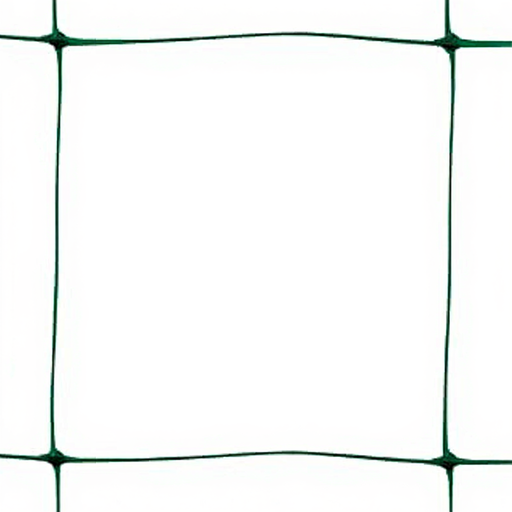
Why this choice suits this profile : its 1.5 × 10 m size is easy to handle for a first installation in a family vegetable garden, on a fence or around a few plants.
The coverage area is clearly stated, and the netting can be attached to poles or a frame without a complicated installation. However, you will need to purchase the fasteners separately.
Lightweight polyethylene and polypropylene netting in a discreet green colour, suitable for gardens and climbing crops alike.
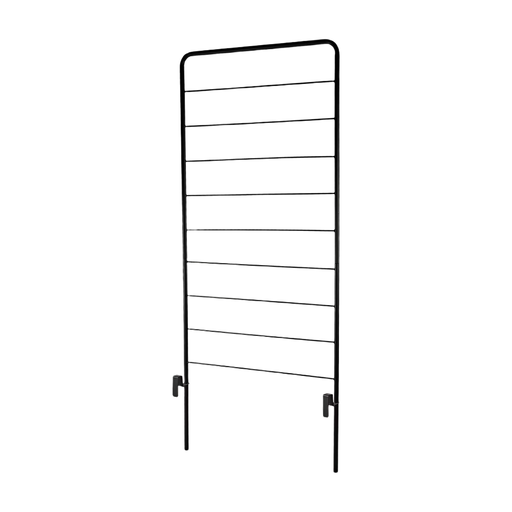
Why this choice suits this profile : this decorative trellis is designed for those who want to combine plant support with a carefully styled outdoor space on a patio, near an entrance or in a contemporary garden.
Its rigid structure prevents you from mistaking simple flexible netting for a freestanding decorative feature. It must nevertheless be properly anchored to withstand wind and the weight of the foliage.
A height of 163 cm, a graphite grey finish and the option to install it in the ground or against a wall, depending on your set-up.
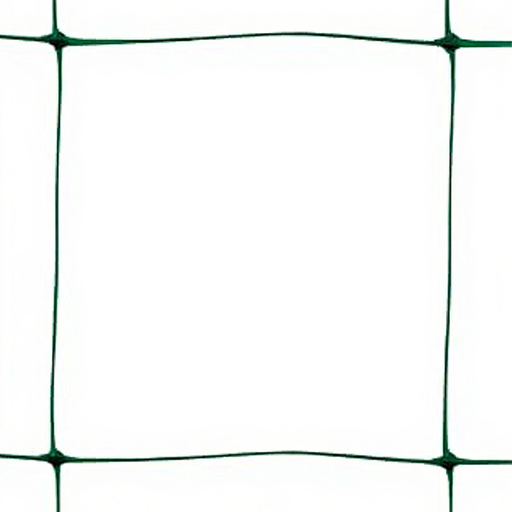
Why this choice suits this profile : its 2 × 20 m roll is suitable for large plots, several rows of vegetables or an installation you want to reuse from one season to the next.
Its large coverage area avoids improvised joins. However, the tear resistance stated in the product details must be complemented by anchoring suited to heavy crops.
Polypropylene netting that can be used vertically or horizontally, advertised as resistant to rust, mould and sunlight.
We have brought together a complete, real-time updated selection of products that meet these demanding criteria and European safety standards.
Wear gloves when installing the netting, especially if you need to cut it. For fixing it to a wall, fence or gate, check that the clip kit is compatible with the support material and the type of wall plugs used.
Use two side poles and, if the net is long, add intermediate supports. Tension it vertically, then attach it to each pole. For tomatoes or cucumbers laden with fruit, a top crossbar can help limit sagging.
A height of 1.5 to 1.7 m is suitable for most family vegetable gardens. Climbing beans and some cucumber varieties may nevertheless require more height or an angled installation. Check the expected growth of your varieties before cutting the netting.
It depends entirely on its exposure to UV rays, the tension applied, the weather and its storage conditions. Remove the stems without tearing the mesh, clear away debris and store the netting in a dry place away from excessive heat. A visual inspection before each new installation helps identify tears and weakened areas.