
Livraison le jour même ou le lendemain

Qualité garantie

Débloquez vos offres de bienvenue: Livraison GRATUITE | Jusqu'à -80 % | 30 jours d'essai gratuits à JoyPlus
Téléchargez l'application
Tomatoes, beans, cucumbers, peas, roses, jasmine and ivy do not all have the same needs. Yet many climbing plant supports are marketed as versatile solutions without clearly specifying their load capacity, fixing method or resistance to the elements.
Before placing an order, three common mistakes should be avoided:
The right choice therefore depends on the available space, the weight the vegetation is expected to reach and whether the installation is intended to be permanent or seasonal.
For a planter or small balcony pot, 60 cm plastic stakes are sufficient for guiding young shoots or small climbing plants. Insert them individually close to the base of the plant and tie the stems as they grow.
In the vegetable garden, a vegetable garden trellis or vertical net should cover the entire growing area. Sizes of 1.5 × 10 m or 2 × 20 m are suitable for installation between several posts, along a fence or against a dedicated structure. Measure the width to be covered and allow enough extra material to tension the net without distorting it.
Plastic, polypropylene and polyethylene are lightweight and resistant to rust. For outdoor use, check for UV stabilisation. This does not make the product indestructible, but it indicates that it is designed to withstand regular exposure to sunlight.
Painted or powder-coated metal provides a more rigid and prominent structure. It is particularly suitable for a decorative trellis intended to remain in place for several seasons. However, inspect the coating regularly for any chips, especially in damp regions or coastal areas.
A climbing plant net must be fixed to supports that are sufficiently spaced and firmly anchored. Tomatoes, cucumbers and beans develop dense foliage: ties and posts should be selected based on the plant’s final weight, not its size at the time of purchase.
For a trellis designed to be inserted into the ground, drive the feet in deeply enough and check the stability of the entire structure before the stems cover it. For wall mounting, use fixings suited to the wall material and leave enough space to allow air to circulate.
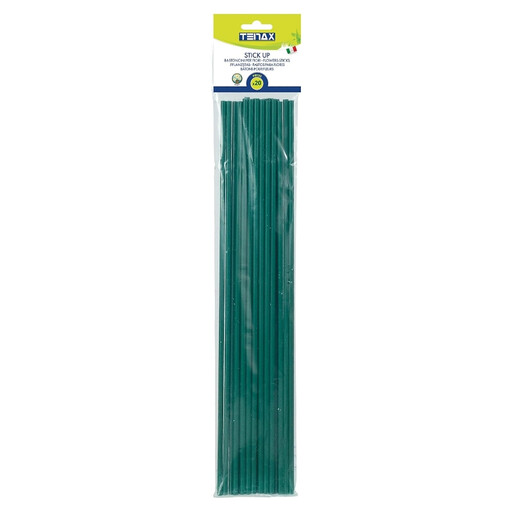
Why this choice suits this profile : This pack of 20 stakes is suitable for balconies, small pots and gardeners looking for a simple solution that is easy to install.
The 60 cm height and pack contents—20 pieces in total—are clearly stated. This allows you to size your purchase accurately without confusing this format with a trellis intended for larger crops.
A plastic structure, a pointed end for easier insertion into the soil and easy cleaning with mild soapy water.
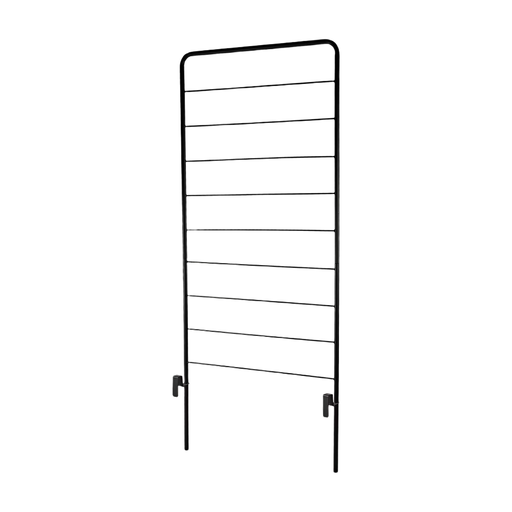
Why this choice suits this profile : Its graphite finish and 163 cm height support climbing plants while adding a strong visual presence to a garden, terrace or area beside a wall.
The dimensions, treated metal construction and two installation options—on the ground or against a wall—are specified before purchase.
A trellis made from treated steel or metal, a dark finish and a design advertised as resistant to weather and UV exposure.
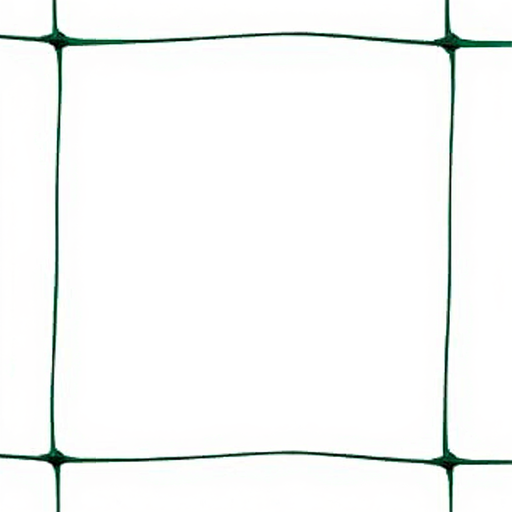
Why this choice suits this profile : This twin roll meets the needs of an extensive vegetable garden planted with tomatoes, beans, peas or cucumbers.
With a total coverage area of 40 m², this format reduces the risk of underestimating the coverage required for a vertical installation.
Open mesh, plastic advertised as UV-stabilised and suitable for vertical or horizontal installation on posts, frames or fences.
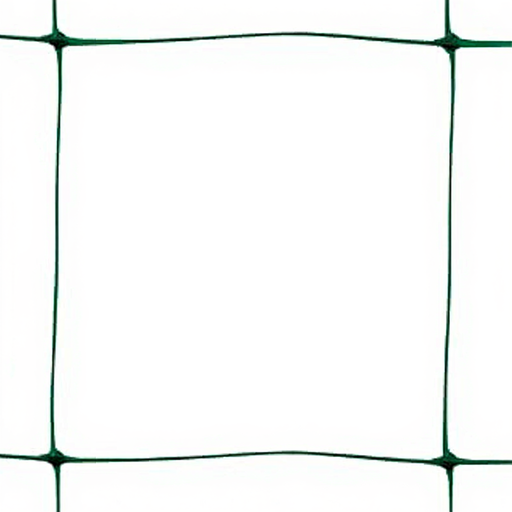
Why this choice suits this profile : Its more compact width is ideal for a balcony, small plot or installation along a fence.
The dimensions are stated precisely, and its 0.1 kg weight makes it easy to handle without suggesting that this netting is a self-supporting structure.
A polyethylene and polypropylene-based material, suitable for installation on posts, frames or fences, with minimal maintenance required.
We have compiled a comprehensive, real-time updated list of products that meet these strict selection criteria, as well as European safety requirements.
A support for tomatoes and beans should provide a sufficiently large vertical surface and secure attachment points. A 2 × 20 m net may be suitable for a long row, while a 1.5 × 10 m model is easier to incorporate into a small vegetable garden.
Yes. For a young or lightweight plant, small plastic stakes will work perfectly well. For a more established plant, choose netting fixed to an independent structure or a wall. Simply make sure the pot remains stable as the vegetation increases in volume.
Its lifespan depends on exposure to sunlight, the weight of the crops, the tension applied and storage conditions. Clean netting that is removed carefully and stored in a dry place can be reused as long as it remains in good condition. Before each new installation, check for tears, weakened areas and damaged ties.