
Livraison le jour même ou le lendemain

Qualité garantie

Débloquez vos offres de bienvenue: Livraison GRATUITE | Jusqu'à -80 % | 30 jours d'essai gratuits à JoyPlus
Téléchargez l'application
A trellis for climbing plants helps save space, guide stems and create a vertical vegetable garden. However, not every model is designed for the same applications. A lightweight netting system is perfectly suitable for beans or peas, while a rigid wall trellis is better suited to jasmine, Virginia creeper or climbing roses.
Before placing your order, three mistakes are particularly common: choosing unsuitable dimensions, underestimating the need for secure fixing and opting for a material that does not stand up well to outdoor conditions. Here are the key criteria to consider when looking for a solution suited to your garden, patio or balcony.
A 20-metre roll may seem like excellent value, but its width and installation method determine the area it will actually cover. A 1.5 × 10 m net will not meet the same needs as a 2 × 20 m model installed between several stakes.
Start by measuring:
On a balcony, a small garden trellis net may be all you need. For a row of beans, cucumbers or tomatoes, a longer model with regular sections will generally be easier to use.
A metal trellis can enhance a façade, but it does not necessarily replace a training system designed to support heavy crops. Over the course of several weeks, stems and fruit gain weight—especially after a downpour.
A wall trellis must be secured to a solid surface. A model designed to be planted in the ground, meanwhile, needs sufficient anchoring depth. For the Deroma Cosmo Mesh 78, the supplied recommendation advises burying approximately 20 to 30 cm of the feet to improve stability. In an exposed, windy location, additional reinforcement may be essential.
Painted or treated metal immediately gives an installation a more structured appearance. However, the coating should be checked for chips, which can encourage corrosion. Polyethylene or polypropylene netting is lightweight and rustproof, but it must be tensioned correctly and kept away from flames or intense heat sources.
The phrase “weather-resistant” is not enough on its own. Also check:
A tomato and bean net should have openings large enough for stems to pass through while providing regular attachment points. Peas, beans and cucumbers generally do well with flexible netting. Roses and woody plants, by contrast, usually need a rigid structure that can remain stable season after season.
A wide mesh also makes fruit easier to access and improves air circulation around the foliage. However, this equipment should not be presented as a system that guarantees a harvest or prevents disease: it is primarily a support for climbing plants.
A vegetable garden trellis can be installed vertically between stakes, against a fence or on a frame. Some nets can also be positioned horizontally to support stems as they grow.
Make sure the following elements are compatible:
Clips, screws, wall plugs and ties are not always included. On a wall or fence, trellis fixing clips make installation easier and prevent the net from pulling away under the force of the wind.
For outdoor installations, choose components suited to the surface in question: masonry, wood, wire fencing or metal posts. The net should never be used as a load-bearing structure or climbing equipment. Wear gloves during installation to reduce the risk of scratches from the mesh edges.
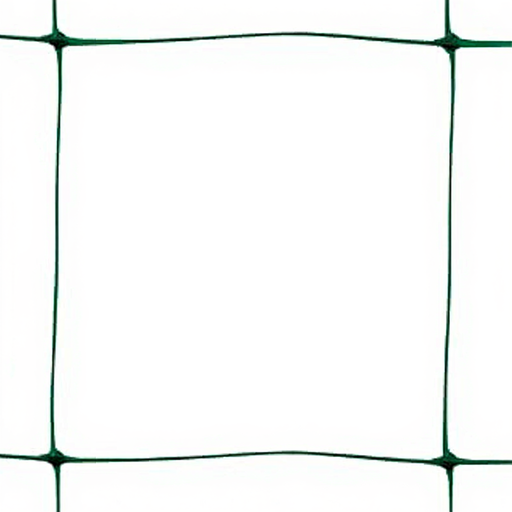
Why it suits this profile: its format is suitable for a small vegetable garden, fence or balcony installation. With a stated weight of approximately 0.1 kg, it is easy to handle.
The dimensions are clearly stated, helping you avoid planning for an area that is too small. Remember to include the stakes and ties in your calculations.
This flexible net, made from a blend of polyethylene and polypropylene, can be used on frames, fences or a range of growing supports.
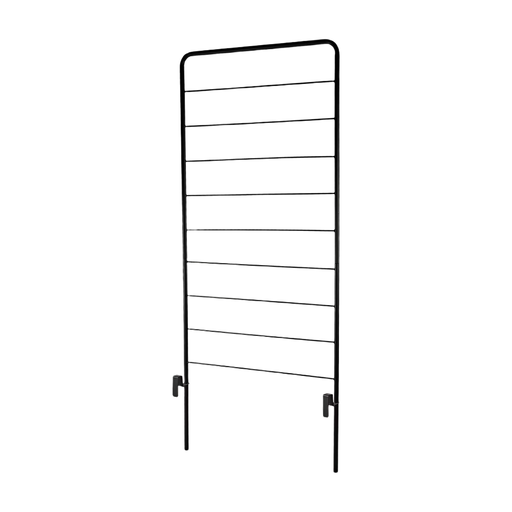
Why it suits this profile: its graphite-grey treated metal structure fits easily into a patio, entrance or wall setting, while providing support for jasmine, ivy or climbing roses.
Its feet can be pushed into the ground, or the trellis can be installed against a wall. In either case, check the anchoring carefully before the foliage becomes too dense.
At 163 cm high, with an anthracite finish, it makes a distinctly architectural statement. Its construction is described as weather-resistant and UV-stabilised.
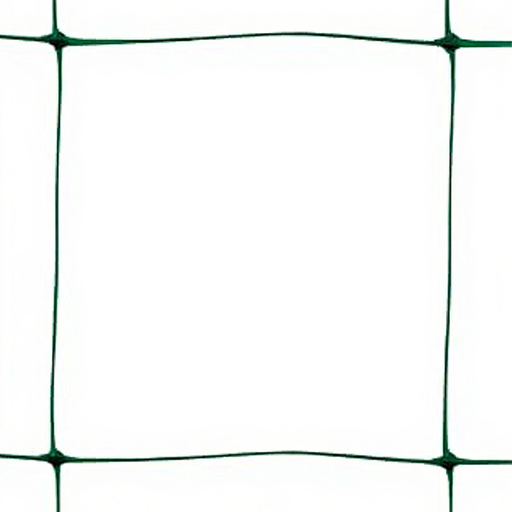
Why it suits this profile: its generous length is designed for larger vegetable gardens and rows of beans, peas, tomatoes or cucumbers. It can be installed either vertically or horizontally.
Its large mesh can cover several sections, but each section must be securely attached to stable posts to prevent it from sagging under the weight of the crops.
This polypropylene net is lightweight, rustproof and reusable after removing plant debris and storing it in a dry place.
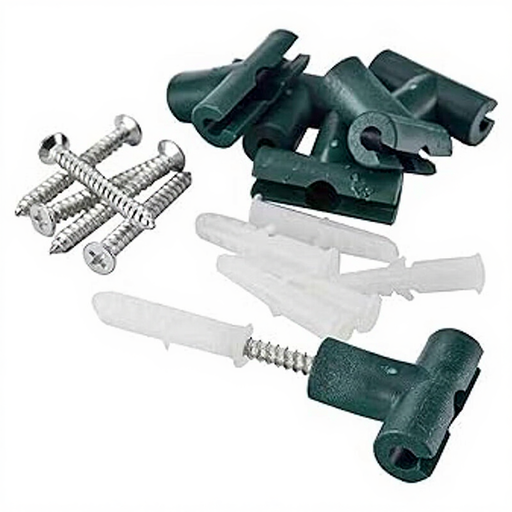
Why it suits this profile: this kit is ideal for anyone looking to secure training netting, privacy screening or a trellis to a wall, fence or gate.
The fixing components are supplied separately from the net. This allows you to adapt their spacing to the surface instead of relying on a few overly fragile ties.
The pack includes 6 clips, 6 screws and 6 wall plugs. According to the supplied information, the screws are made from stainless steel.
We have brought together an up-to-date selection of products that meet these criteria for enhancing your garden, balcony or vegetable plot.
Tension the net without pulling it excessively, as this could distort the mesh. Start by securing the corners, then add intermediate anchoring points. To guide young stems, use flexible ties without tightening them around the plants.
At the end of the season:
A properly installed net can be reused for several seasons. Its service life nevertheless depends on exposure to sunlight, crop weight, handling and storage conditions.
A climbing net made from polypropylene or polyethylene is generally suitable for these crops, provided it is secured to sturdy stakes. Check the available height and make sure the harvest will remain easy to reach.
Use wall plugs suited to the type of wall and distribute the fixing points correctly. Trellis fixing clips can hold the net slightly away from the surface, but the total load must remain compatible with the strength of the wall and fixings.
Yes, a rigid structure such as the Deroma Cosmo Mesh 78 can support roses and other climbing plants. It must, however, be securely anchored—particularly in regions exposed to strong gusts and when the foliage becomes dense.