
Livraison le jour même ou le lendemain

Qualité garantie

Débloquez vos offres de bienvenue: Livraison GRATUITE | Jusqu'à -80 % | 30 jours d'essai gratuits à JoyPlus
Téléchargez l'application
A strong glue can repair a handle, assemble a decorative item or fix a skirting board without drilling. But not all products meet the same needs. Liquid super glue does not behave like a gel glue, grab adhesive or flexible all-purpose glue.
Before you buy, three mistakes are particularly common:
The surface determines which formula to choose. For glue for metal, glue for wood, glue for ceramics or rubber repairs, liquid cyanoacrylate glue is often suitable for small, clean surfaces that fit together perfectly.
Plastic requires more care. PE and PP are often excluded from standard instant glues because their surfaces are less easy to bond. For glue for plastic, check the list of compatible materials and, if necessary, choose a system with an activator.
For wall mounting, the requirements are different. No-more-nails glue or mounting adhesive is generally applied in dots or beads over a larger surface. Depending on the surface, the load to be supported and the manufacturer’s recommendations, it may be suitable for a skirting board, a lightweight shelf or a hook.
A fine nozzle, applicator pen or dosing button helps you control the amount applied more accurately. For a small repair, a single drop is often enough. Too much product can slow drying and leave a visible mark.
A 3 g tube is suitable for occasional repairs. The 1 g doses are aimed primarily at people who prefer to open a fresh quantity for each job. A 20 g format is more suitable for regular work, DIY or arts and crafts.
Also check the intended conditions of use: indoors or outdoors, exposure to moisture, temperature fluctuations, vibration and flexing. Glue intended for repairing a shoe, flexible pipe or sole must remain sufficiently flexible. By contrast, a rigid porcelain part is generally bonded with a quick-setting liquid formula.
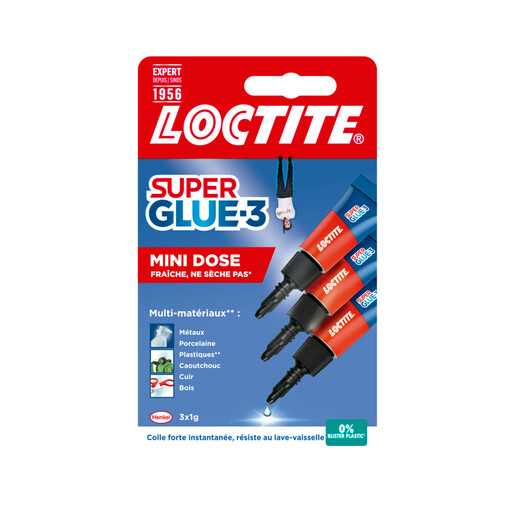
Why this choice suits this profile : Its three single doses are suitable for occasional repairs to porcelain, wood, rubber, leather or certain plastics.
Each 1 g dose reduces the amount of glue left in the tube after a small repair.
A practical format, an advertised clear finish and water resistance according to the product information.
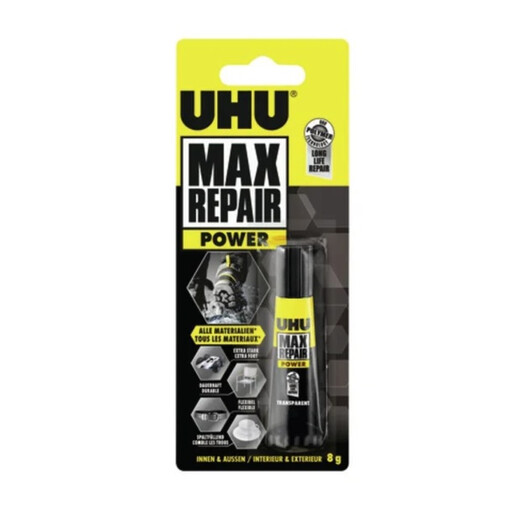
Why this choice suits this profile : Its solvent-free polymer formula is designed for repairs exposed to vibration, twisting and temperature fluctuations.
Its flexible texture avoids the limitations of rigid instant glue on items subject to movement.
An 8 g format, a clear finish once dry and an advertised temperature range of −40 °C to +120 °C.
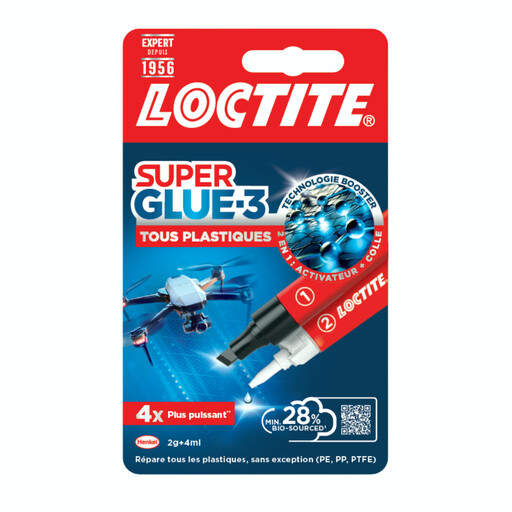
Why this choice suits this profile : This system combines a 2 g tube with a 4 ml activator pen for difficult-to-bond plastics, particularly in DIY projects and accessory repairs.
The activator prevents you from applying all-purpose glue at random to an incompatible plastic.
A two-step system and a clear formula presented for plastic items.
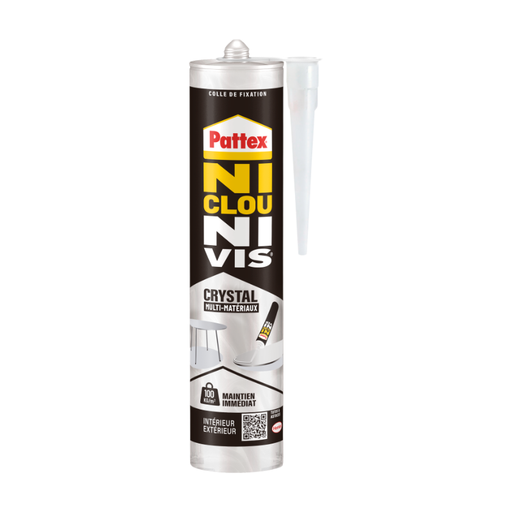
Why this choice suits this profile : This mounting format is suitable for indoor and outdoor fixing projects on compatible surfaces such as glass, mirrors, metal or certain plastics.
The product information details the compatibility limits and excludes total immersion, PE, PP and PTFE.
A clear finish, advertised resistance to UV and moisture, and final strength achieved after 24 hours.
Cyanoacrylate glues can bond skin and eyes together within seconds. Wear suitable gloves, avoid contact with your face and work in a well-ventilated area. In case of contact with the eyes, rinse thoroughly and seek medical attention. Always refer to the product label and safety data sheet.
We have put together a complete, real-time updated selection of products that meet these strict selection criteria and European safety requirements.
Glue for shoes should generally remain flexible once dry. A rubber-enriched gel glue, such as LOCTITE Super Glue-3 Power Gel, is designed for soles, flexible pipes and items subject to twisting. Clean both surfaces and allow them to dry for long enough before wearing the shoe.
No. Standard instant glues often exclude PE, PP and PTFE. To repair a plastic item, check the material marking and choose a formula explicitly stated to be compatible. For certain technical surfaces, a product with an activator will be more suitable.
It depends on the formula, format and storage conditions. Liquid cyanoacrylate glue keeps better when the nozzle is clean and the cap is properly closed. For occasional use, mini doses reduce the risk of drying out and prevent you from buying more product than you need.