
Same-day & Next-day Delivery

Quality Guaranteed

Unlock Your Welcome Offers: FREE Delivery | Up to 80% OFF | Free 30-day JoyPlus trial
Download the APP
Switching from plastic to healthy, sustainable kitchen solutions is an excellent move. The oven-safe glass storage container stands out as the ultimate all-in-one tool: you can bake, store, reheat, and even freeze in it. However, not all glass dishes are created equal. The wrong choice can lead to disappointment or even household accidents. As the Head of Product Recommendations at Joybuy, my mission is to help you see things more clearly, make an informed choice, and avoid the most common pitfalls.
Marketing can sometimes be misleading. Before you decide, keep an eye on these three details that make all the difference between a good investment and a purchase you'll regret.
For your future glass meal container to become a true everyday ally, two technical features are non-negotiable.
The difference lies in the glass composition. The borosilicate glass food container is the absolute benchmark in the kitchen. Thanks to its low coefficient of thermal expansion, it handles thermal shock much better than ordinary glass.
A good lid is just as important as the dish itself. Clip-on locking systems, popularised by brands like Lock and Lock glass, are a true guarantee of reliability.
Because everyone's needs are different, here are our recommendations, selected for their quality and suitability for your lifestyle.
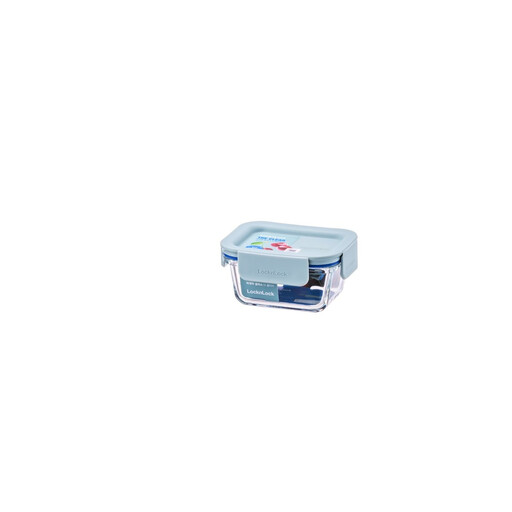
Why we chose it: Its 380 ml capacity is perfect for a single serving, whether it's a salad, a dish to reheat, or a snack. Its compact size slips easily into a bag for the office or a picnic. It's the quintessential portable glass meal container.
Made from borosilicate glass, it can handle the transition from an insulated bag to the microwave without fear of thermal shock.
Its clip-locking system guarantees 100% leak-proof transport, even for salad dressing or a saucy dish.

Why we chose it: At 630 ml, this container is the ideal size for a full meal. It's the go-to format for meal prep enthusiasts who prepare their week's dishes in advance and need a reliable solution for storage and reheating.
Its 4-clip lid with a thick silicone gasket ensures a lasting airtight seal, unlike cheap models that warp and lose their effectiveness.
Its rock-solid versatility: the glass dish is freezer, microwave, and even oven safe up to 400 °C (without its lid).

Why we chose it: Its generous 2-litre capacity is perfect for a family-sized casserole, leftovers from Sunday roast, or a large mixed salad. It's the ultimate versatile dish, equally at home for large gatherings and for storage.
Its robust borosilicate glass construction ensures safe use from the oven to the freezer, where a large standard glass dish would be particularly vulnerable to breaking.
The reliable locking system, a signature of Lock and Lock glass, keeps food fresh longer and prevents odours from taking over the refrigerator.
We've put together a complete selection of products that meet our standards for quality and safety.
No, it's best to avoid this. Even borosilicate glass, as tough as it is, has its limits. An extreme thermal shock (going from -20°C to +200°C) can weaken it. For maximum safety, let the dish rest for a few minutes at room temperature or, even better, let it thaw in the refrigerator before putting it in the oven.
Most high-quality gaskets, like those on Lock and Lock glass models, are removable. The best practice: remove it after each use and wash it separately by hand with soapy water. Make sure the gasket and its groove in the lid are completely dry before putting it back. This is the key to impeccable hygiene.
First rule: always check the manufacturer's instructions. As a general rule, it's best to keep an airtight lid out of the microwave. If you want to cover your dish, simply rest the lid on top without locking it. This allows steam to escape and prevents the plastic from warping. And of course, never put a plastic lid in a conventional oven.