
Livraison le jour même ou le lendemain

Qualité garantie

Débloquez vos offres de bienvenue: Livraison GRATUITE | Jusqu'à -80 % | 30 jours d'essai gratuits à JoyPlus
Téléchargez l'application
Switching from plastic to glass for food storage is an increasingly common choice—one that's both healthier and more sustainable. Yet, with an overwhelming number of options on the market, disappointment is common. A glass food container that cracks at the first thermal shock, a lid that loses its seal after a few washes... these mishaps are far from trivial.
Before you buy, it's best to know the pitfalls to avoid to make an informed decision. Whether for your meal prep, storing leftovers, or organising your pantry, this guide is for you.
The 3 pitfalls to avoid when buying a glass food container:
For a purchase that stands the test of time, here are the technical points that make a real difference in daily use.
The real difference lies between soda-lime glass and a borosilicate glass dish. The latter, enriched with silica and boron trioxide, is a game-changer in terms of resistance.
A good glass food container must be perfectly airtight. No more leaks in your backpack! A perfect seal relies on two key elements:
The key is to check the manufacturer's pictograms for each component. A good glass dish with a lid should clearly display its compatibility:
Rather than an endless catalogue, we've selected models that meet specific needs while avoiding the pitfalls we've just discussed.

Why we chose it: Its 630 ml capacity is perfect for a single serving. Cook, store, transport, and reheat—all in the same dish. The perfect ally for optimising your weekly *meal prep*.
Its borosilicate glass container effortlessly withstands the heat of the oven and microwave. The 4-clip system and removable gasket ensure a foolproof seal and easy cleaning.
Total versatility: freezer, oven (without lid), microwave, and dishwasher safe. A true Swiss Army knife for the kitchen.

Why we chose it: This set of food containers is a turnkey solution with its two sizes (5 x 1040 ml and 5 x 370 ml). Perfect for leftovers from a family meal, individual portions, kids' snacks, and finally optimising fridge space.
By providing a matching set, it eliminates the headache of mismatched lids! The high-quality borosilicate glass and clip-on lids are a guarantee of durability and safety for the whole family.
Excellent value for its quantity and versatility. The two sizes cover most of a family's daily needs, from main courses to simple snacks.
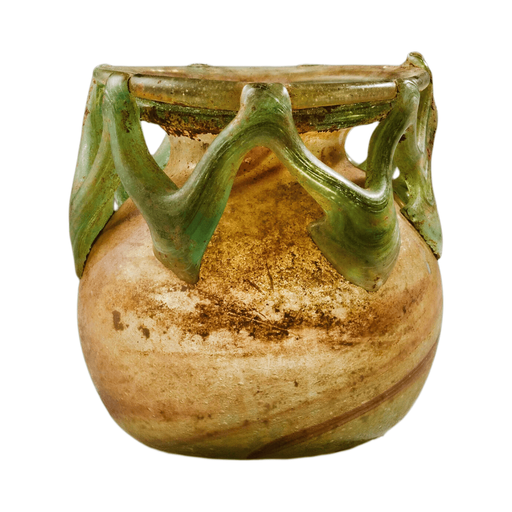
Why we chose it: Because practical can also be beautiful. This airtight glass jar is perfect for displaying your dry goods (pasta, rice, legumes, coffee) on the countertop or a shelf. A decorative touch for the kitchen.
Its mission is clear: dry storage. No cooking means no possible confusion. Its acacia wood lid, equipped with a silicone gasket, effectively preserves the freshness of your food.
Its unique design, with its hammered glass and wooden lid, combines style and function. Durability is ensured by the borosilicate glass.
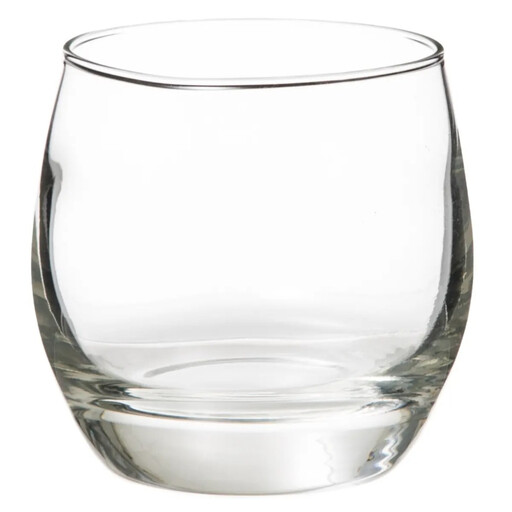
Why we chose it: For an elegant presentation of your starters, desserts, or tapas. This 15 cl glass verrine is a classic for entertaining. It brings a polished, almost professional touch to your creations.
Its role is dedicated to table service. No lid, no cooking, no long-term storage: there's no room for ambiguity. It's a simple, durable item designed for a single, specific purpose.
Its quality glass combines great transparency with sturdiness, making it perfect for repeated use, whether at home or for catering.
We have put together a complete and up-to-date selection of products that meet our demanding selection criteria and current safety standards.
The golden rule: avoid sudden temperature changes. Never place a hot dish on a cold or wet surface. Likewise, don't transfer a dish directly from the freezer to a preheated oven. Always let it rest for a few minutes at room temperature.
As a general rule, the answer is no. Lids (plastic, bamboo, wood) are never designed for a conventional oven. For the microwave, some plastic models are compatible, provided you open their steam vent. In any case, always consult the manufacturer's recommendations to avoid disaster.
For a flawless clean and longer lifespan, make it a habit to remove the silicone gasket before each wash (by hand or in the dishwasher, according to the instructions). Ensure the gasket and its groove are completely dry before putting it back. This is the best way to prevent mould growth.