
Livraison le jour même ou le lendemain

Qualité garantie

Débloquez vos offres de bienvenue: Livraison GRATUITE | Jusqu'à -80 % | 30 jours d'essai gratuits à JoyPlus
Téléchargez l'application
Choosing an oven-safe glass food container is a smart move for healthier, more sustainable cooking, storing, and reheating. A single container goes with you everywhere: from the freezer to the oven, and right to the table. The dream! But the market is flooded with products making tempting promises, and it's easy to make the wrong choice.
As a product expert for Joybuy, my mission is to help you see things more clearly. Let's break down the common pitfalls to avoid and the essential criteria for a successful purchase.
To avoid buyer's remorse, here are the most common disappointments (and how to prevent them).
To avoid falling into these traps, here are the technical specifications that make all the difference.
The secret to a glass food container that can handle thermal shock? Its composition. Borosilicate glass is THE gold standard. Unlike standard (soda-lime) glass, it is specially designed to withstand extreme temperature changes. This allows it to go from the refrigerator to the oven (after a brief adjustment period) without breaking. For safe oven use, this is a non-negotiable feature.
For a foolproof seal, there are two elements to scrutinize:
True versatility is when every part of the product makes your life easier.
To illustrate these criteria in action, here are a few models that check all the boxes, suited for different needs.
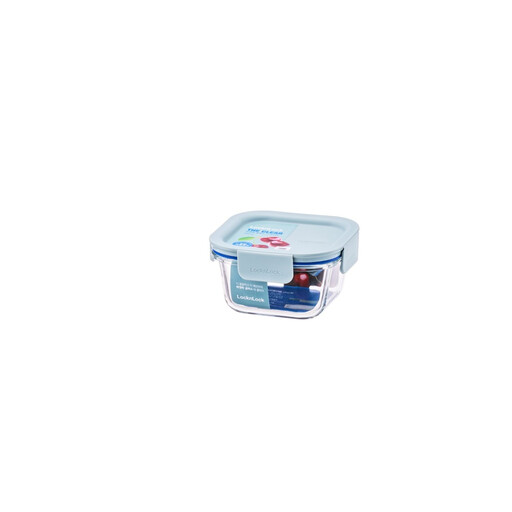
Why we chose it: With its 500 ml capacity, this container is perfectly sized for a single serving. Its square shape optimises space in a lunch bag or refrigerator. It's the perfect ally for prepping your meals for the week ahead.
Its borosilicate glass body withstands heat, while the clip-on lid ensures an excellent seal for transport. The lid is microwave and dishwasher safe for uncompromising versatility.
Its compact size and locking clips make it an ultra-reliable solution for carrying meals without any fear of leaks.

Why we chose it: With its generous 2-litre capacity, this rectangular dish is perfect for storing leftovers from a family meal, preparing a casserole, or storing a large batch of soup. An ultra-practical format for everyday cooking.
Its borosilicate glass body is oven-safe up to 400°C (without the lid). The 4-clip locking system, combined with the removable silicone gasket, prevents any leaks, even with soups or saucy dishes.
Its large capacity and foolproof seal make it the ideal plastic-free storage solution for saucy dishes, soups, and family-sized casseroles.

Why we chose it: PYREX is synonymous with quality bakeware. This model is no exception, with its pure, non-porous borosilicate glass that resists stains and odours. A reassuring choice for those who prioritise material purity above all else.
Made from borosilicate glass, it immediately eliminates the risk of using glass unsuitable for the oven. Its design emphasizes durability and resistance to thermal shock (when following usage precautions, of course).
The brand's reputation and the quality of its non-porous glass guarantee a healthy experience, with no transfer of taste or odour, meal after meal.
We have selected a full range of products that meet our strict selection criteria and current safety standards.
As a general rule: no. Almost all lids are made of plastic (polypropylene, etc.) and cannot withstand the high temperatures of a conventional oven. Placing them inside could cause them to melt, warp, and release harmful substances. Only the glass dish is designed for oven cooking.
Thermal shock occurs when there is a sudden, drastic temperature change (for example, moving a dish directly from the freezer to a preheated oven). To avoid this, always let the dish rest at room temperature for a few minutes before putting it in the oven. Likewise, never place a hot dish straight from the oven onto a cold or wet surface (like a marble countertop or a sink).
Regular glass, known as "soda-lime" glass, is what drinking glasses are made of. It handles temperature changes very poorly. Borosilicate glass, on the other hand, contains boron trioxide, which gives it a much lower thermal expansion coefficient. In practical terms, it expands and contracts far less when exposed to heat, making it infinitely more resistant to thermal shock and therefore perfectly suited for oven cooking.