
Livraison le jour même ou le lendemain

Qualité garantie

Débloquez vos offres de bienvenue: Livraison GRATUITE | Jusqu'à -80 % | 30 jours d'essai gratuits à JoyPlus
Téléchargez l'application
Between Sunday meal prep, storing leftovers, and the search for healthy alternatives to plastic, finding the right container can be a real headache. Do you dream of a single solution to cook, store, reheat, and even take your meals on the go without being buried in dishes? The oven-safe glass food container is the all-in-one solution that's both versatile and durable.
This guide helps clarify your options by focusing on the criteria that really matter: glass quality, lid seal, and everyday versatility. We've selected products that combine practicality and reliability to simplify your life in the kitchen.
Before you decide, there are a few technical points to check. They will ensure you make a lasting purchase that's perfectly suited to your habits.
Not all glass is created equal when it comes to high temperatures. For oven use, borosilicate glass is the only reliable choice. Unlike standard soda-lime glass, it offers exceptional resistance to thermal shock. What does this mean in practice? You can move your dish from the refrigerator to the oven (after a short acclimatisation period) without risking cracks. It's an essential guarantee of safety and durability.
A perfectly sealed glass food container is essential for keeping food fresh and preventing disasters in your bag. Locking clip systems with a removable silicone gasket are by far the most effective. A good oven dish with a lid ensures your soup or saucy meal arrives safely, not at the bottom of your bag. Remember to check that the gasket is easy to remove—this is crucial for a deep clean that prevents mould and bad odours.
The real advantage of these containers is their versatility. A good glass container for meal prep should be safe for the oven (without its lid), microwave, freezer, and dishwasher. Think about your specific needs:
To guide you, we've chosen three models that stand out for their design and value for money.
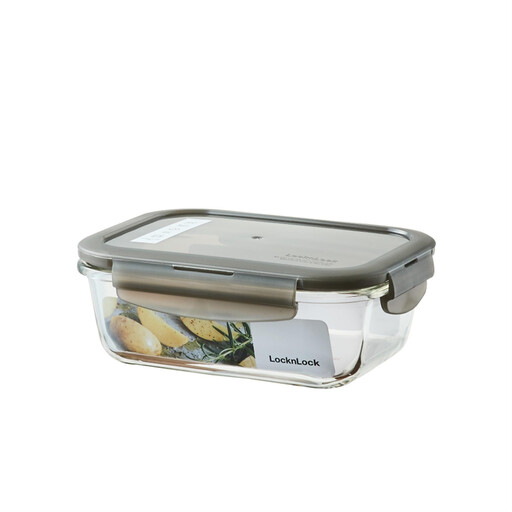
Why it stands out: This compact size is the perfect partner for individual meals. Its rectangular shape optimises space in a lunch bag or on a fridge shelf. It's the ideal model to get started with meal prep without the bulk.
Highlights:
Who is it for? Those who pack their lunch for the office, students, or anyone looking to control their portions.
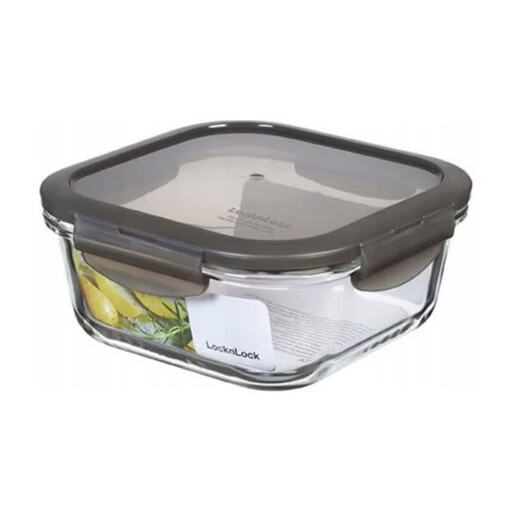
Why it stands out: Its square shape is designed for optimised storage. These containers stack perfectly, saving precious space in cupboards and the fridge. Thanks to the clear glass, you can identify the contents at a glance.
Highlights:
Who is it for? Organisation enthusiasts looking to optimise their fridge space and who appreciate modular storage solutions.
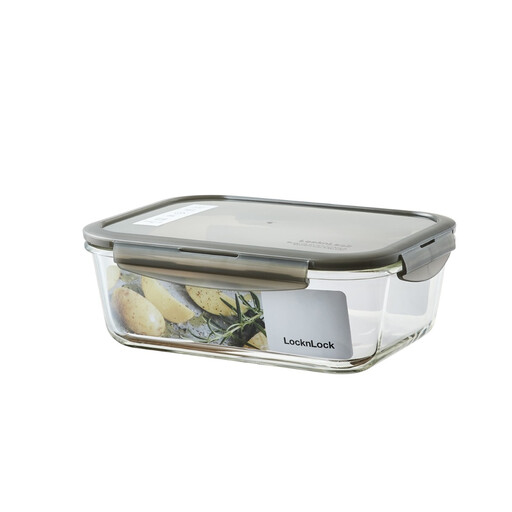
Why it stands out: With its generous 2-litre capacity, this large dish is designed for family meals. It goes directly from the oven to the table, then to the fridge to store leftovers—all in one container.
Highlights:
Who is it for? Families, batch cooking fans, or anyone who needs to store large quantities of food.
Our selection focuses on cook-and-store versatility, but your needs might be more specific. If you're looking for dedicated solutions for storing fresh fruits and vegetables or other types of food, a wider range should interest you.
Discover our collection of glass food containers
1. Can you put the lid of a glass container in the oven? Absolutely not! This is the golden rule: never put the plastic lid or silicone gasket in a conventional oven or microwave. They are not designed to withstand such high temperatures and could melt, warp, or release unwanted substances. Only the glass dish is suitable for cooking.
2. What is the difference between tempered glass and borosilicate glass? Tempered glass is standard glass that has been strengthened to better resist physical shocks (like drops). Borosilicate glass, on the other hand, incorporates boron trioxide, which gives it a very low coefficient of thermal expansion. It is this property that allows it to withstand sudden temperature changes (thermal shock), making it much safer for oven use.
3. How do you care for a glass food container to make it last longer? It's very simple. For optimal care, wash the glass dish, lid, and silicone gasket separately (most models are dishwasher-safe). If washing by hand, use a soft sponge. Finally, make sure all components are completely dry before reassembling the container. This is the secret to preventing bad odours and mould growth on the gasket.