
Livraison le jour même ou le lendemain

Qualité garantie

Débloquez vos offres de bienvenue: Livraison GRATUITE | Jusqu'à -80 % | 30 jours d'essai gratuits à JoyPlus
Téléchargez l'application
More and more people are swapping their plastic boxes for glass containers. This shift is driven by health and environmental concerns, or simply the desire for a more durable and pleasant material in the kitchen. But with an overwhelming number of options on the market, how do you make the right choice?
To help you cut through the noise, our editorial team has analysed the market and scrutinised the technical specifications. The goal of this guide is to give you the keys to choosing a reliable model that fits your daily life, far from the marketing hype. We'll explore what sets an excellent glass food storage container apart and present our current favourite models.
Before we compare products, let's review the technical features that truly make a difference.
Not all glass is created equal when it comes to temperature changes. Borosilicate glass is highly valued for its exceptional resistance to thermal shock. In practical terms, an oven-safe glass dish made from this material can go from the refrigerator to the oven (after letting it acclimate for a few minutes at room temperature) without cracking. This is a guarantee of safety and longevity, essential for daily use.
The effectiveness of an airtight glass container depends entirely on its lid. Opt for robust locking systems (like clips or screw-tops) that feature a silicone seal. This is what prevents air from getting in and liquids from leaking out. A good seal preserves freshness, contains odours, and ensures spill-free transport. This is a non-negotiable feature for your glass lunch box and for meal prep enthusiasts.
The main advantage of a glass food container is its ability to simplify your kitchen routine. The ideal model should do it all: bake in the oven (without its lid, of course), store in the fridge and freezer, reheat in the microwave, and even be used for serving at the table. Always remember to check the maximum and minimum temperatures supported by both the dish and its lid, as indicated by the manufacturer.
Based on these criteria of versatility, quality, and practicality, here are three models that caught our eye and cater to a variety of needs.
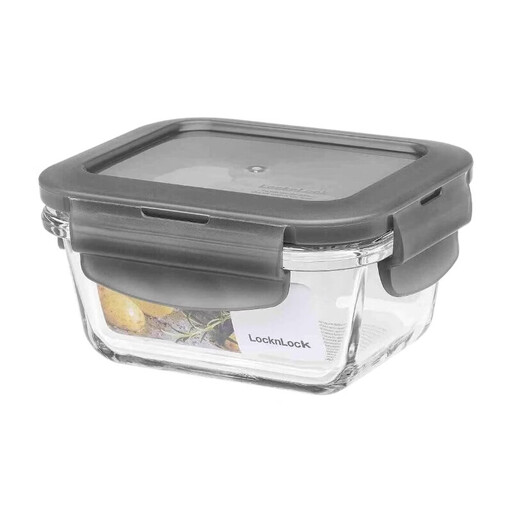
What makes it stand out: This model stands out with its screw-top locking system, a unique alternative to traditional clips. The grey plastic lid incorporates a zinc alloy locking mechanism and a silicone seal, guaranteeing a perfectly airtight closure. Its compact size is ideal for single servings.
Key features:
Who is it for? Ideal for those who take their lunch to the office, for storing small portions, or for preparing individual desserts to be baked directly in the container.
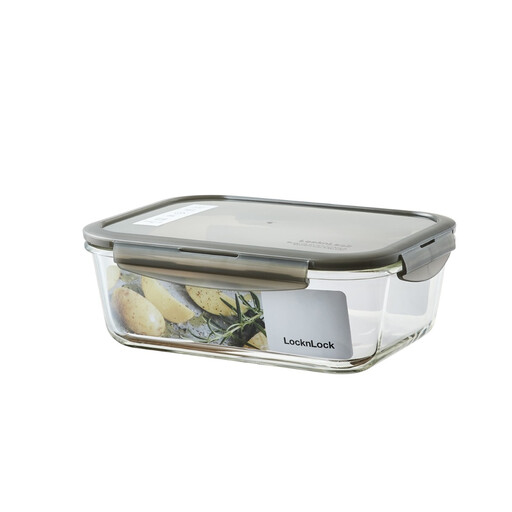
What makes it stand out: With its generous 2-litre capacity and rectangular shape, this is the ultimate family-sized dish. It is made of borosilicate glass, giving it excellent thermal resistance. Its 4-clip locking system is a classic, renowned for its reliability and effectiveness.
Key features:
Who is it for? Perfect for families, batch cooking fans, or anyone looking for a large oven dish with a lid to store leftovers from a shared meal.
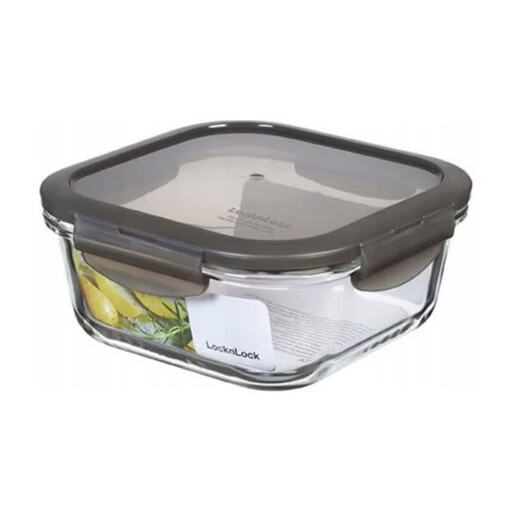
What makes it stand out: This 750?ml model is the perfect compromise between a single portion and a family-sized dish. Its square shape optimises storage space. It shares the same great features as the larger model: a borosilicate glass body and the popular 4-clip locking system.
Key features:
Who is it for? This is the ultimate all-rounder. It's equally suitable for a full lunch at work or for storing a good-sized portion of a home-cooked meal.
Our selection focuses on highly versatile models, but perhaps you're looking for a different size, a round shape, or a complete set to get you started. Many other options are available.
? Explore our full range of freezer-safe glass containers to find the perfect model for your needs.
Yes, as long as it's made from a suitable type of glass, like borosilicate glass, which is designed to withstand high temperatures (usually up to 400?°C). However, there are two golden rules to follow:
The glass body is very easy to clean by hand or in the dishwasher. For the lid, the silicone seal deserves special attention. It's a good idea to remove it from time to time to clean it separately with soapy water. Make sure the seal and the groove in the lid are completely dry before putting it back. This prevents mould growth and ensures a long-lasting, effective seal.
Glass is an inert material. This means it won't leach chemicals into your food, even when heated. Unlike some plastics, it is guaranteed BPA-free. Its non-porous surface offers another major advantage: it doesn't absorb odours or stains from food (like tomato sauce), making it more hygienic and easier to maintain in the long run.