
Livraison le jour même ou le lendemain

Qualité garantie

Débloquez vos offres de bienvenue: Livraison GRATUITE | Jusqu'à -80 % | 30 jours d'essai gratuits à JoyPlus
Téléchargez l'application
A multi-purpose glue can seem like a one-stop solution for everything. Yet the same formula won't necessarily work for paper, metal, glass or wall fixings. Get it wrong, and you could end up with a joint that peels apart, an unsightly mark or a damaged surface.
Before you head to the checkout, keep three common pitfalls in mind:
Start by identifying both surfaces clearly. For paper and cardboard, a glue stick for paper and cardboard or a light liquid formula is usually sufficient. For craft projects, a craft glue with a precision tip will be more practical for details and decorations.
For a household repair, choose a glue that clearly states its compatibility with wood, metal, glass, ceramic or the specific plastic you're working with. Claims of "multi-material" should always be backed up by a list of compatible and incompatible surfaces.
A glue stick is easy to dose and particularly practical at school or in the office. A pen applicator works well for small areas and helps prevent drips. For assembly work, a cartridge or large tube lets you lay down even beads, but may need a dispensing gun.
Also take the time to understand the difference between initial grab, repositionability and full cure. A wall fixing shouldn't be subjected to its full load immediately, even if it seems to hold from the first contact.
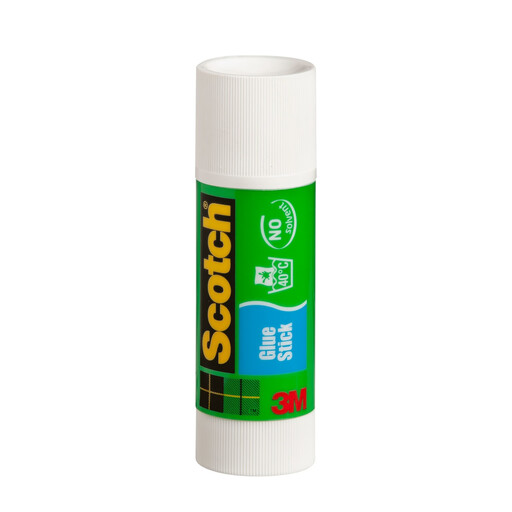
Why this suits this profile: its stick format is ideal for homework, paper, cardboard, photos and small creative projects, at home or in the office.
The solid application reduces drips and excess product. However, it won't replace a strong glue for heavy items or non-porous surfaces.
40 g stick, formula described as washable with water and suitable for paper, cardboard, photos, fabrics and lightweight materials.
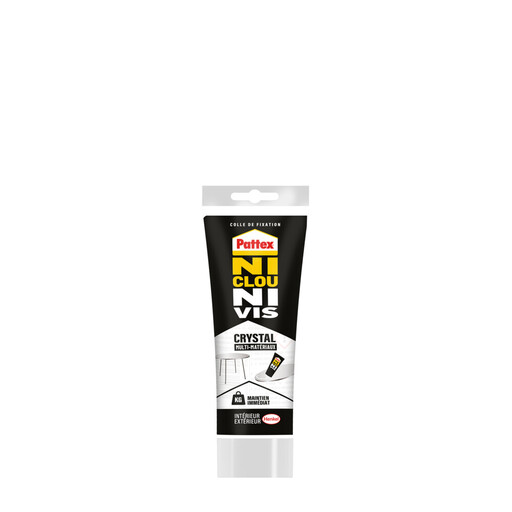
Why this suits this profile: its transparent hybrid formula is ideal for decoration and assembly projects where the appearance of the joint matters as much as the strength of the bond.
The product page lists incompatible surfaces, including PE, PP and PTFE. Still, do a test on a hidden area first.
Ultra-clear finish, repositionable for up to 15 minutes according to the product page, claimed temperature resistance from −30°C to +80°C and suitable for both indoor and outdoor use.
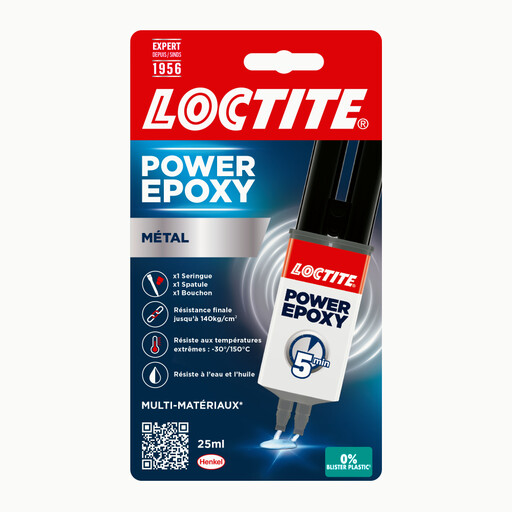
Why this suits this profile: this two-part epoxy glue is designed for targeted repairs on iron, steel, aluminium, copper and zinc.
Its 5-minute setting time doesn't mean the part can be used straight away – full cure takes up to 24 hours, according to the instructions.
Two-part gap-filling formula, metallic grey finish and can be drilled or filed after 4 hours, according to the instructions provided.
We've put together a comprehensive, real-time selection of products that meet these exacting standards and European safety regulations.
For a clean, reliable bond:
Instant glues and epoxies need extra care: avoid contact with skin and eyes, ventilate the room and keep them out of reach of children. For a glue stick intended for school, check the minimum age recommendation on the packaging.
A glue stick or a solvent-free, washable glue is generally suitable for paper, cardboard and photos. For temporary decorations, go for a repositionable glue. An instant glue may stain paper and isn't suitable for large areas.
It depends on the formula, the date on the packaging and storage conditions. A poorly sealed tube can dry out quickly, especially with cyanoacrylate. Always replace the cap after use and protect the glue from heat, frost and direct sunlight.
Not necessarily. A fixing glue must specify the compatible surfaces, the load it can bear, the waiting time before applying weight and the acceptable humidity conditions. For a heavy item or one mounted at height, follow the instructions carefully and don't use a craft glue designed for paper or hobbies.