
Livraison le jour même ou le lendemain

Qualité garantie

Débloquez vos offres de bienvenue: Livraison GRATUITE | Jusqu'à -80 % | 30 jours d'essai gratuits à JoyPlus
Téléchargez l'application
Whether you're putting up a shelf, fixing a broken object, or tackling a creative project, choosing the right mounting adhesive is often more complex than it seems. A poor choice can turn a simple DIY project into a real source of frustration. Our editorial mission is to help you see clearly, cutting through misleading marketing claims and unfulfilled promises.
Before you start, watch out for these common pitfalls?:
To make the right choice, it all comes down to your project. Analyse these three key points to find the perfect adhesive for your needs.
This is the essential starting point. Materials fall into two main categories?:
Exposure conditions are crucial for the durability of your bond.
Your final goal will directly guide your choice of technology.
To illustrate this advice, here are some products we recommend for their targeted effectiveness, far from any universal promises.
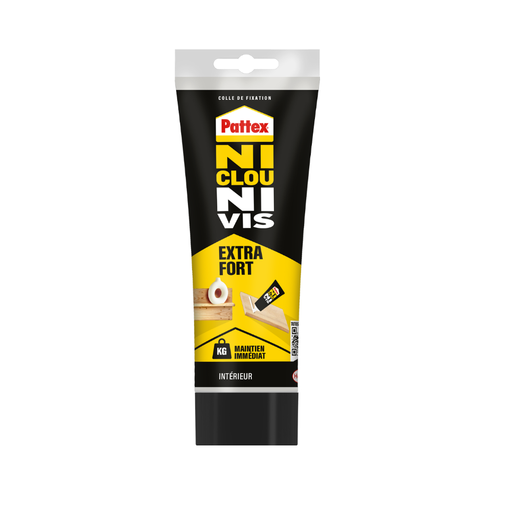
Why it's the right choice : Ideal for those who want to mount without drilling decorative items, skirting boards, or small shelves indoors. It's the simple, clean solution to avoid using a drill and wall plugs.
This product is specifically designed for porous materials (plaster, wood, brick). It doesn't claim to bond everything, which guarantees its effectiveness in its intended application and prevents failures on smooth surfaces.
High initial grab for quick installation. Solvent-free, odourless formula. Apply directly from the tube without a cartridge gun.
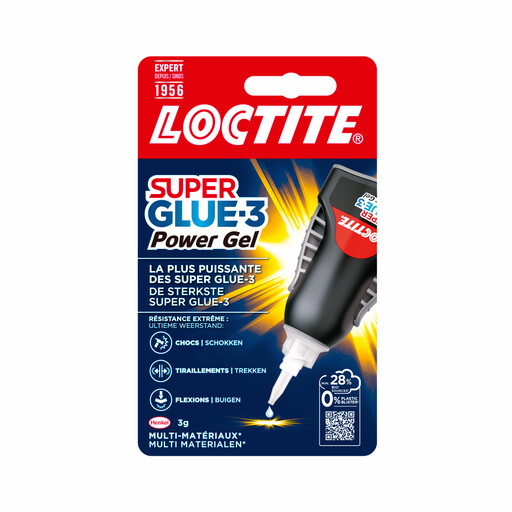
Why it's the right choice : Essential for small, everyday repairs on a host of materials, including flexible ones (shoe soles, plastic toys). Its precision is its best feature.
Its gel formula doesn't drip, which solves the main problem of liquid super glues on vertical surfaces or for precision applications. It provides a powerful bond while remaining clean.
Bottle with side-press grips for controlled flow. Formula enriched with rubber for better resistance to impact and torsion.
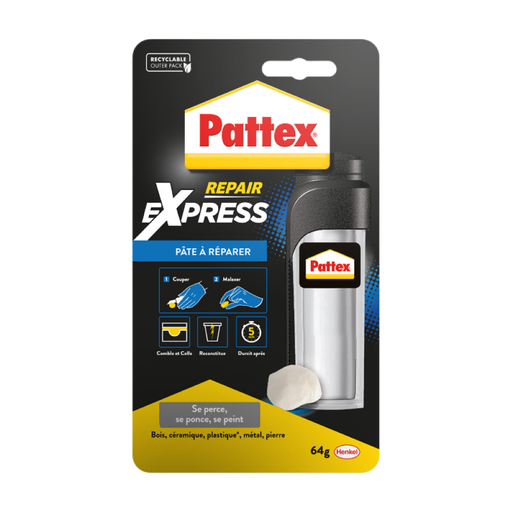
Why it's the right choice : For anyone who needs not only to glue, but also to fill a hole, rebuild a missing part, or seal a crack. It's the ultimate repair tool for metal, stone, wood, or ceramic.
This epoxy repair putty is not just a simple glue. It provides a structural solution where a standard adhesive would only join two surfaces. It solves the problem of missing material.
Kneadable and mouldable. Hardens in 5 minutes. Can be sanded, drilled, and painted after fully curing for an invisible finish.
Explore our complete selection of adhesives and sealants, all tested and approved by our team for their performance and compliance with current standards.
Be careful not to confuse the initial grab time (the near-immediate hold, from a few seconds to several minutes) with the final curing time. Maximum strength is only achieved after 24 to 48 hours. During this period, do not put any stress on the bonded object! Always refer to the manufacturer's instructions, as the duration varies greatly from one product to another.
Yes, most modern adhesive sealants, especially those based on hybrid polymers (MS Polymer), can be painted after they have fully cured. This is a significant advantage for finishing touches, for example, when painting glued skirting boards the same colour as the wall. Just remember to check the packaging for compatibility with your type of paint (acrylic or oil-based).
Removing dried adhesive is often a real headache. If it's still fresh and water-based (like the classic No More Nails), a damp cloth is all you need. Once dry, the action becomes mechanical?: you will need to scrape or sand it carefully. For tougher adhesives (epoxy, cyanoacrylate), specific solvents are available, but you must test them on a hidden area first to avoid damaging your surface.