
Livraison le jour même ou le lendemain

Qualité garantie

Débloquez vos offres de bienvenue: Livraison GRATUITE | Jusqu'à -80 % | 30 jours d'essai gratuits à JoyPlus
Téléchargez l'application
Leftovers from dinner, pre-prepared meals, chopped fruit or lunch on the go: an airtight LocknLock food storage container can make daily organisation much simpler. But you need to choose a size that suits your habits. A container that's too big clutters up the fridge, a poorly designed lid can leak in your bag, and a material that isn't microwave-safe quickly becomes a nuisance to use.
Before you head to the checkout, three common mistakes keep cropping up:
A glass food container, especially one made from borosilicate glass, generally handles the temperature changes specified by the manufacturer well and doesn't retain odours. It's particularly suited to saucy leftovers, gratins to reheat and fridge storage. The downside: it's heavier and can crack if dropped or exposed to excessive temperature changes.
A BPA-free plastic food container is lighter and easier to carry. Polypropylene, or PP, is very common in the world of food containers. However, you should check the limits specific to each model: maximum time in the microwave, permitted position in the dishwasher and freezer compatibility.
The "BPA-free" label describes a product feature, but it doesn't replace common-sense precautions. A cracked container or one with a deformed seal should be replaced.
To get a truly airtight container, start by examining the closure system. Lids with four clips distribute pressure evenly around the seal. A removable seal also makes cleaning easier, as residue tends to get trapped in the groove.
After washing, dry the seal thoroughly before putting it back in place. If it's positioned incorrectly, the container can leak even when it's marketed as airtight. To transport soup or sauce, leave a little space at the top and keep the container upright in your bag.
A meal prep container is more practical when it stacks easily and is low enough to slide into the fridge. In the freezer, leave some headroom if the contents are liquid, as they will expand when frozen. In the microwave, always remove the lid when the instructions recommend it.
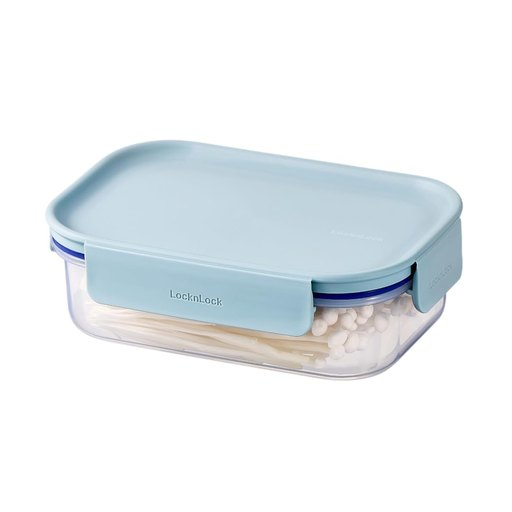
Why this choice suits this profile: With its 910 ml capacity, this model is ideal for individual portions, salads and everyday meal prep. The PP plastic keeps your bag light, while the rectangular shape makes fridge storage easy.
The product page states an airtight lid, stackable design and compatibility with the freezer, dishwasher and microwave. However, the lid must be removed before reheating.
910 ml capacity, BPA-free PP plastic as per the product page, and dimensions of 19.3 × 14.1 × 6.7 cm.

Why this choice suits this profile: This large borosilicate glass container is designed for families and those who prepare multiple portions at once. Its transparency lets you spot leftovers quickly without even lifting the lid.
The silicone seal is removable for easy cleaning. The product page states compatibility with the fridge, freezer, microwave and dishwasher. In the microwave, the lid must be removed.
2 litre volume, dimensions of 25.4 × 19.4 × 8.7 cm and stated thermal shock resistance up to 200 °C.
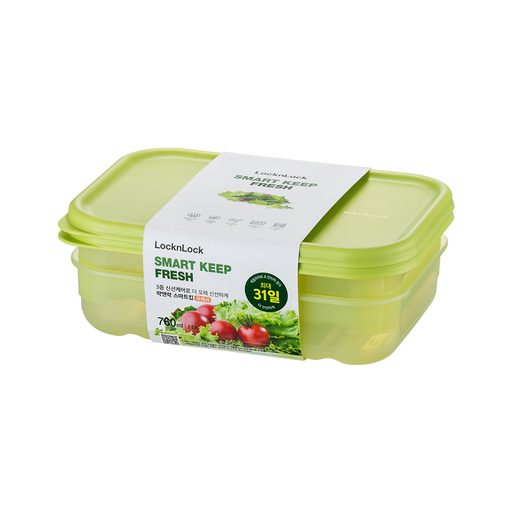
Why this choice suits this profile: This set of two 760 ml containers is ideal for those who switch between meal prep, storing fruit and vegetables, and regular fridge organisation.
The product page details the microwave usage conditions: lid removed, container not empty and heating limited to two minutes. Thorough drying also helps prevent odours during storage.
Two stackable containers, BPA-free PP plastic as per the product page, and compatibility with the fridge, freezer and dishwasher (top rack).
We've put together a comprehensive, real-time updated list of products that meet these exacting criteria as well as European safety standards.
Wash the food storage container before its first use. If the model allows it, remove the seal, clean its groove carefully and let each part dry separately. Avoid abrasive sponges, temperatures not specified by the manufacturer, and reheating with the lid closed.
The lifespan depends above all on the condition of the material. Replace the container if the glass is chipped, the plastic is cracked or the seal no longer holds its shape. An airtight container with lid only remains effective if the lid, clips and seal are in perfect condition.
Yes, some models are advertised as microwave-safe. The lid generally needs to be removed or left slightly open. Follow the maximum heating time stated on the product page and never heat an empty container.
Borosilicate glass is suitable for several freezer-compatible models, while PP offers a lighter option. In both cases, leave a little headroom for liquid preparations and avoid moving a very cold container near a heat source immediately.
Choose a lid with several clips and a silicone seal. Check that all four sides are properly locked and don't fill the container to the brim. For liquid preparations, transport it upright in a suitable bag.