
Livraison le jour même ou le lendemain

Qualité garantie

Débloquez vos offres de bienvenue: Livraison GRATUITE | Jusqu'à -80 % | 30 jours d'essai gratuits à JoyPlus
Téléchargez l'application
A leaky container in your bag, a lid that warps after a few trips through the dishwasher, or a box that's too bulky for the fridge can quickly turn a purchase into a waste of money. Whether you're storing leftovers, prepping several meals, or organising food in the freezer, choosing an airtight LocknLock food storage container is about more than just looks. A few practical criteria can help you avoid unpleasant surprises.
Some marketing claims are worth checking carefully:
A borosilicate glass food container lets you see the contents at a glance. It withstands heat according to the model's specifications and doesn't retain odours easily. It's a smart choice for cooked dishes and reheating, as long as you follow a few precautions: remove the lid, avoid sudden temperature changes, and never place the container directly on a heat source.
A BPA-free plastic food storage container is generally lighter and better suited for everyday packed meals. Tritan and polypropylene are two different materials – it's best to check the product's technical specifications rather than relying on its colour or transparency.
A food container with a clip-on lid should lock on several sides to minimise the risk of leaks. Before storing soup or sauce in it, make sure the silicone seal is properly fitted and every clip is securely closed.
Removable seals make cleaning easier, but they need to be taken out regularly to prevent residue building up in the groove. A cracked, stretched or poorly repositioned seal can compromise the airtightness, even if the lid appears to be fully closed.
For meal prep, the following capacities cover most needs:
A stackable airtight container with a rectangular or square shape makes better use of space than a round one, whether in a drawer or on a shelf. Also remember to measure the depth of your fridge shelves before choosing a tall container.
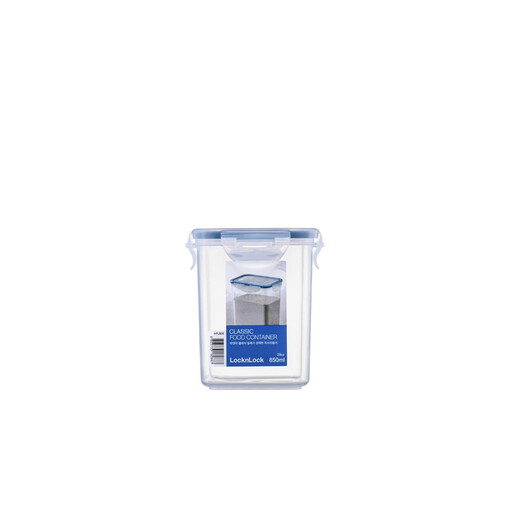
Why this suits this profile: At 850 ml, this size works well for leftovers, salads and individual portions, without requiring a big investment to get started with meal organisation.
Its rectangular shape and clip-on closure make it easier to use than a poorly sized or tricky-to-lock container.
Reusable polypropylene, claimed airtight closure, 850 ml capacity and stated dishwasher-safe.

Why this suits this profile: This large borosilicate glass container is ideal for households that cook family meals and want to reheat them in the same dish, following the usage instructions.
At 2 L, it saves you from splitting a family meal across several small boxes, while keeping the contents visible.
Borosilicate glass, removable seal and stated compatibility with the freezer, microwave and dishwasher.
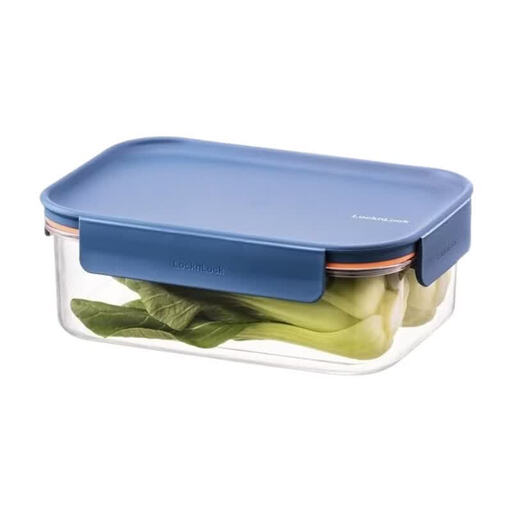
Why this suits this profile: Its modular design suits those who batch-prepare meals, organise their fridge or want a lightweight box to carry.
The transparent body, stackable design and four side closures make storage simpler and reduce the risk of improper sealing.
BPA-free Tritan body, 910 ml capacity, silicone seal and stated compatibility with the freezer, microwave and dishwasher.
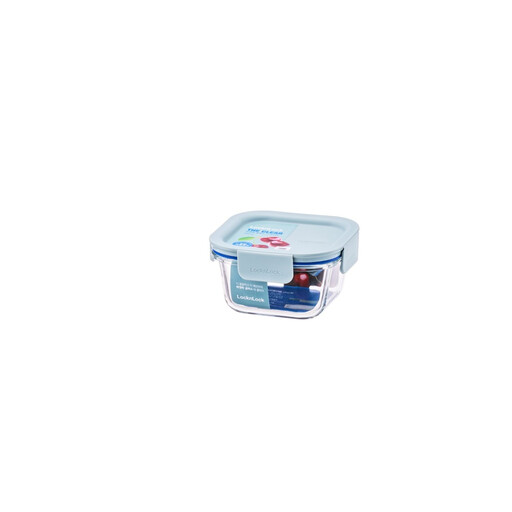
Why this suits this profile: At 500 ml, this container is ideal for controlled portions, side dishes and packed lunches. It slips easily into an already full fridge.
Its small size reduces empty space and clutter, while the clear glass lets you quickly identify stored food.
500 ml capacity, borosilicate glass, clip-on closure and stated compatibility with the freezer, microwave and dishwasher.
We've put together a comprehensive, real-time updated selection of products that meet these demanding criteria, as well as European safety regulations.
To keep your food in good condition, let very hot dishes cool down before sealing the container, unless the manufacturer advises otherwise. In the freezer, leave a little space to allow liquids to expand. In the microwave, remove the lid and only use the container when it's stated as microwave-safe.
After each wash, dry the seal and check it's properly repositioned in its groove. Avoid abrasive sponges, and replace the container if it develops a crack, becomes warped, or the lid no longer locks properly.
It depends on the model. The products featured here are stated as microwave-safe, but the instructions generally require you to remove the lid before reheating. Always check the product details, and don't use the grill or convection settings when they're not permitted.
A 450 to 910 ml container is usually suitable for an individual portion or a pre-prepared lunch. For a family or a large recipe, go for a 2 L size. The space available in your fridge and the amount of sauce or liquid you need to store should also factor into your decision.
Wash the lid and seal separately, dry them thoroughly, and regularly check the condition of the clips and silicone. Don't fill the container to the brim, and follow the stated limits for the freezer and microwave. If the closure feels stiff or the seal is damaged, replace the part or the container.