
Livraison le jour même ou le lendemain

Qualité garantie

Débloquez vos offres de bienvenue: Livraison GRATUITE | Jusqu'à -80 % | 30 jours d'essai gratuits à JoyPlus
Téléchargez l'application
Dinner leftovers, meal prep portions, dry ingredients or meals to freeze: an airtight LocknLock food storage container can make organising your kitchen much easier, provided you choose the right size and material. A container that is too large takes up valuable cupboard space, a poorly designed closure can allow sauces to leak, and a lid that is not properly maintained can quickly lose its effectiveness.
Here are the main points to consider before buying, along with a selection of LocknLock containers suited to different uses in France.
A 2 L container is not necessarily practical for a small portion. Conversely, a 450 or 500 ml container may be too small for a mixed salad or a family meal. It is better to choose a capacity suited to the contents, while leaving enough room to close the lid without squashing the food.
To cover a range of needs, a selection from 500 ml to 4 L can handle individual portions, leftovers and bulk storage.
An airtight container with a lid needs to combine a properly fitted seal with a closure system suited to the shape of the container. A removable seal makes cleaning easier, but it should be removed regularly to prevent residue from building up in the grooves.
Before pouring in soup or sauce, fasten the clips on all sides and check that the seal is correctly positioned in its groove. A container may be described as leakproof, but its performance also depends on its condition and maintenance.
The label ‘microwave-safe’ does not mean that the lid can be heated in the same way as the container. In most cases, you should remove it or leave it slightly open to allow steam to escape. Similarly, a freezer-safe container should have some space left when its contents are liquid, as they expand when frozen.
A borosilicate glass food container is ideal for anyone who wants to see the contents immediately and minimise odour retention. The Ovenglass models featured here have a heat-resistant borosilicate glass body. They are listed as suitable for the fridge, freezer, dishwasher and microwave, provided the lid is removed before reheating.
A BPA-free plastic food storage container is generally lighter and less prone to breakage. The PP plastic used in the LocknLock ranges featured is listed as suitable for the microwave, freezer and dishwasher. It is particularly well suited to meals that need to be transported, everyday portions and kitchens where containers are handled frequently.
A stackable or modular container helps keep fridge shelves and cupboards organised. Rectangular formats make efficient use of shelf depth, while square formats can make it easier to store small portions and dry ingredients.
Measure the available height before choosing a large container. A 4 L capacity may be ideal for storing large quantities, but its dimensions must still fit inside your fridge or cupboard.
Choose a lid with a removable seal. Wash the container, lid and seal separately with washing-up liquid, then allow each part to dry completely before reassembling them. Avoid abrasive sponges and stop using the container at the first sign of a crack, chip or seal deformation.
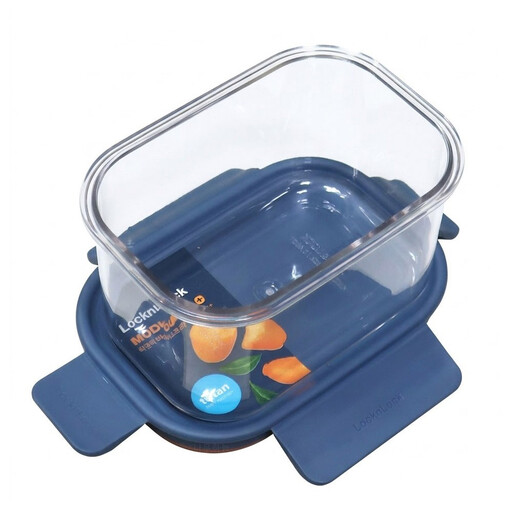
Why it suits this profile: Its compact capacity is ideal for sauces, chopped fruit, toppings and individual portions. According to the product information, its BPA-free PP plastic is lightweight, making it a good option for getting started on a budget or taking your lunch with you.
Its size helps you avoid choosing an oversized container, while its four-point closure is designed to minimise leaks when the lid is properly closed.
450 ml, listed BPA-free PP plastic, suitable for the dishwasher, freezer and microwave according to the product information.

Why it suits this profile: Its transparent borosilicate glass body lets you check portions at a glance and is suitable for storing prepared meals and family leftovers. Its mint-green lid also makes it easier to identify in the fridge.
Its 2 L capacity provides plenty of room for larger preparations, while the removable seal allows for more thorough cleaning than a lid that is difficult to take apart.
Borosilicate glass, 2 L capacity, suitable for the dishwasher, microwave and freezer according to the information provided.
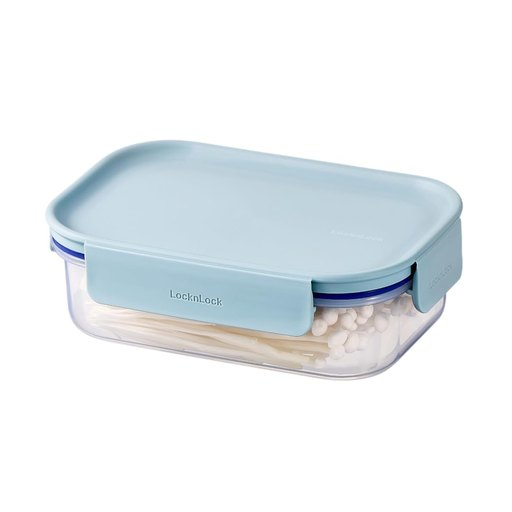
Why it suits this profile: This versatile size is ideal for meal prep, work lunches and storing everyday leftovers. Its stackable design helps keep shelves and cupboards neatly organised.
Its medium capacity reduces the need for multiple specialist sizes. Its airtight closure and stackable design are particularly practical for intensive use.
910 ml, listed BPA-free plastic, airtight lid, stackable design, listed compatibility with the microwave, freezer and dishwasher.
We have compiled a complete, real-time updated list of products that meet these selection criteria and the requirements of European safety regulations.
A 450 to 750 ml size is suitable for side dishes, fruit, sauces and individual portions. A capacity of around 900 ml to 1 L is generally suitable for a lunch or a meal prep portion. Models from 2 to 2.3 L are better suited to leftovers and family-sized preparations. A 4 L container can be used for bulk storage, provided you check the available space.
Borosilicate glass is transparent, heat-resistant according to the product specifications and less likely to retain odours. BPA-free plastic is lighter and generally more convenient to transport. The best choice therefore depends mainly on the weight you prefer, the risk of breakage and how you intend to use it.
Wash and dry the seal regularly, avoid abrasive products and do not force the clips. Inspect the lid, seal and container body after several months of use. If there is a crack, chip or deformation that prevents the container from closing properly, replace it rather than continuing to store liquids in it.