
Same-day & Next-day Delivery

Quality Guaranteed

Unlock Your Welcome Offers: FREE Delivery | Up to 80% OFF | Free 30-day JoyPlus trial
Download the APP
LocknLock airtight food storage containers can be used for almost anything: storing leftovers in the fridge, preparing meals in advance, freezing portions or transporting lunch without worrying about leaks. However, some purchases can prove disappointing after just a few uses. The problem is not necessarily the brand, but rather a size that is unsuitable for the contents, temperature or available space.
Before adding anything to your basket, it is worth keeping three common pitfalls in mind.
A clip-on lid can provide a good seal when the gasket is positioned correctly and all the clips are locked. However, that does not necessarily mean the container is suitable for transporting hot liquids or handling high internal pressure. When choosing a leak-proof food container, check for a silicone gasket, the number of locking points and the manufacturer's usage instructions.
A glass food container, particularly one made from borosilicate glass, is highly resistant to odours and easy to use for reheating. On the other hand, it is heavier and can break if knocked. A plastic storage container will be lighter and more convenient to carry, but its lid and gasket require regular care.
The “BPA-free” label provides information about the product's stated composition, but you must still follow the manufacturer's instructions for heating and cleaning.
A capacity of 1 litre does not tell you the actual amount of space a container will take up. Remember to measure the width, height and space between the shelves in your fridge. A stackable container can free up room, provided the sizes belong to a compatible range or the lid is designed for stacking.
Borosilicate glass is particularly popular for storing and reheating cooked dishes. It retains very few odours and lets you see the contents at a glance. The Ovenglass models featured here are described as compatible with the fridge, freezer, microwave and dishwasher. However, the lid must be removed before placing the container in the microwave, in accordance with the supplied instructions.
PP or Tritan plastic is better suited to travel, meal prep and everyday organisation. It is lightweight and less prone to damage from knocks. When choosing a BPA-free food container, also check the composition of the gasket and the information relating to food contact.
A microwave-safe container does not mean that its lid can be heated while sealed shut. Steam must be able to escape: remove the lid or leave it slightly ajar, depending on the model. Product listings also specify temperature limits, which may vary. The Freezer Fit model, for example, states a maximum heat resistance of 110 °C and that it can be washed on the top rack of the dishwasher.
For a freezer-safe container, leave a little room when storing a liquid or water-rich preparation. The contents expand as they freeze. You should also avoid thermal shock, such as placing a container straight from the freezer into a very hot environment.
A rectangular food container will generally fit more easily in a fridge and reduce wasted space. Square containers can be useful on deeper shelves and in certain cupboards.
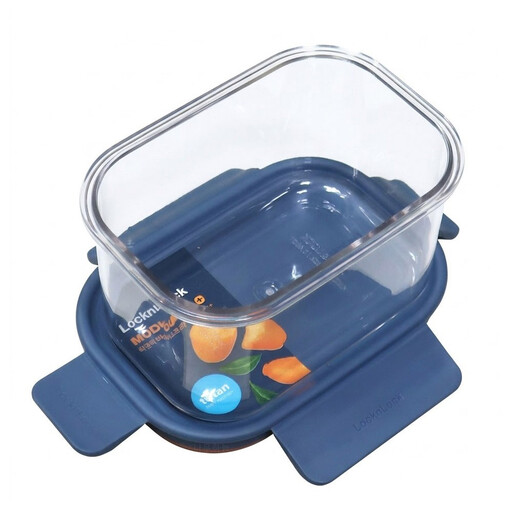
Why this choice suits this profile: With its 450 ml capacity, this model is suitable for small portions, sauces and snacks. Its BPA-free PP plastic makes it lightweight for a first set, while its rectangular shape makes storage easier.
The four clips and silicone gasket reduce the risk of an incomplete seal. Nevertheless, check every side before carrying liquids.
450 ml capacity, BPA-free PP plastic, compatible with the fridge, freezer, microwave and dishwasher.

Why this choice suits this profile: Transparent borosilicate glass is ideal for family dishes, leftovers and preparing several portions. Its 2-litre capacity means you do not need multiple containers.
The glass body helps prevent odours from lingering. At 1.24 kg, however, this model is less convenient to carry.
Borosilicate glass, removable gasket, 2-litre capacity, stated compatibility with the dishwasher, microwave and freezer.
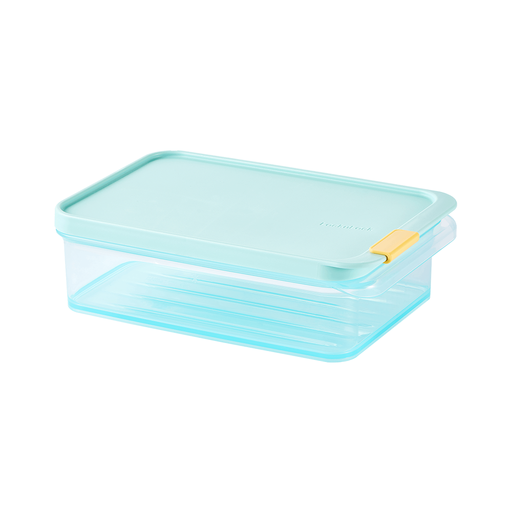
Why this choice suits this profile: This rectangular format is designed for freezer storage and meal prep. Its recessed lid makes stacking easier, while the labelling clips help you keep track of the contents and storage date.
Its cold-storage design helps prevent containers from becoming disorganised or difficult to identify. However, the stated maximum temperature of 110 °C must be observed.
1.05-litre capacity, BPA-free PP plastic, modular stacking, labelling clips and stated suitability for washing on the top rack.
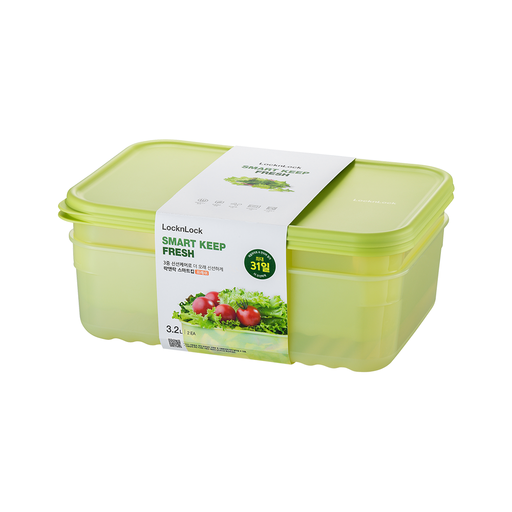
Why this choice suits this profile: With two large containers, you can store vegetables, fruit or family-sized dishes without needing several boxes. Their rectangular shape makes storage and stacking easier.
The double gasket and clips must be fully closed to help prevent leaks. The large capacity also means you do not have to divide a dish between several small containers.
Pack of two 3.2-litre containers, double-gasket lid, stated compatibility with the freezer, microwave and dishwasher.
We have put together a complete, real-time updated selection of products that meet these strict criteria as well as European safety requirements.
Some models are described as microwave-safe, but this generally applies to the container rather than the closed lid. Remove the lid or open it in accordance with the model's instructions. Ovens with a grill or fan-assisted function may not be suitable.
For an individual portion, 450 to 750 ml may be enough. A 910 ml container will be better suited to a complete meal with a side dish. For a family-sized preparation or several portions, choose a capacity of 1.05 to 2 litres, or more if space allows.
A gasket that is misshapen, cracked, still smells after washing or no longer sits securely in its groove can compromise the seal. If this happens, avoid carrying liquids and check whether a replacement part suitable for your model is available.