
Same-day & Next-day Delivery

Quality Guaranteed

Unlock Your Welcome Offers: FREE Delivery | Up to 80% OFF | Free 30-day JoyPlus trial
Download the APP
An airtight LocknLock food storage container can make batch cooking, organising your fridge and transporting meals much easier. However, you still need to choose a capacity, material and lid suited to how you plan to use it. Otherwise, the container may prove too bulky, inconvenient or not sufficiently leakproof.
Before comparing models, it is worth keeping three common pitfalls in mind:
A borosilicate glass food container is particularly suitable for anyone who wants to reheat and serve their food in the same container. Transparent, heat-resistant and easy to clean, this material is nevertheless heavier than plastic. You should also avoid thermal shock, for example by not placing it directly from the freezer into a hot oven.
Food-grade plastic models, such as a BPA-free plastic storage container, are lighter and more practical for travelling or everyday transport. In the LocknLock range, some products use polypropylene or Tritan, with a PP lid and silicone seal. Always check the product page for the model you have chosen, as specifications may vary from one reference to another.
A leakproof food container is more than just a lid that clips into place. The lid must be correctly fitted and perfectly aligned with its seal. Four-clip systems are practical because they distribute pressure around the seal and reduce the risk of leaks.
Before storing soup, sauce or any other liquid food in it, check that:
If you are carrying a dish in a bag, allow it to cool before closing the container. This will limit condensation and prevent unnecessary pressure from building up inside.
A stackable storage container helps you make better use of fridge shelves and the space available in your cupboards. Square formats often make organisation easier, while a rectangular storage container is better suited to long dishes, sandwiches and individual portions.
You should also check the guidance regarding:
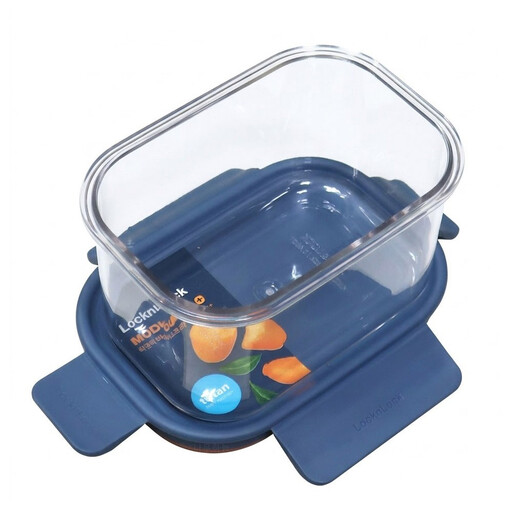
Why this choice suits this profile : Its compact size is ideal for small portions, side dishes and your first meal-prep attempts. Lightweight and easy to carry, it slips neatly into a bag for the office or a day away.
At 450 ml, it reduces the risk of choosing a container that is too bulky for a single portion. The four clips and silicone seal are designed to reduce the risk of leaks.
BPA-free PP plastic, modular rectangular format, compatible with the fridge, freezer, microwave and dishwasher according to the product page.
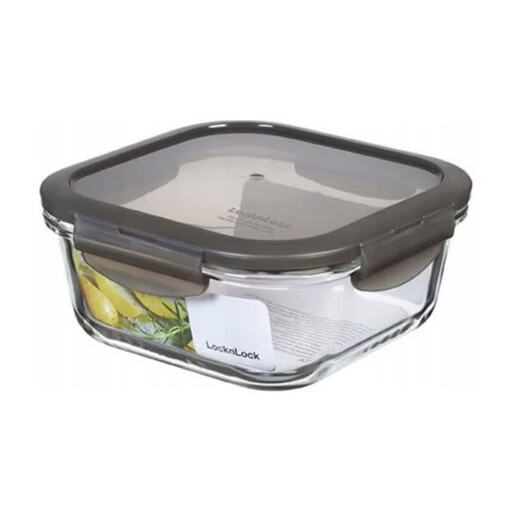
Why this choice suits this profile : This borosilicate glass model is ideal for anyone who wants to move from fridge to table without changing containers. Its 750 ml capacity is suitable for prepared dishes and leftovers for two people, or a generous individual portion.
The product page states that it can be used in the oven up to 400 °C without the lid. This clarification prevents you from confusing the oven compatibility of the glass container with that of the lid.
Borosilicate glass, four-clip airtight closure, stated compatibility with the oven, microwave and freezer, as well as stackability.
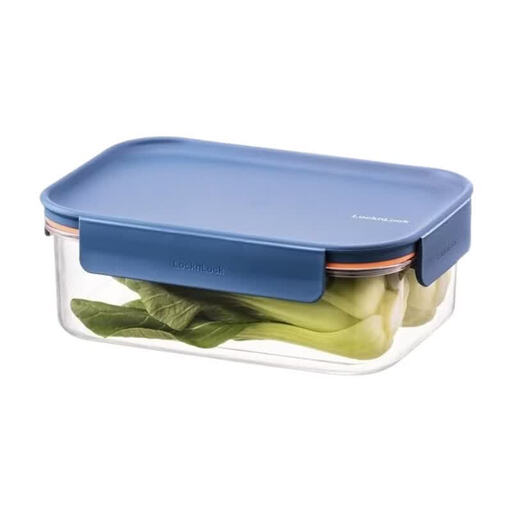
Why this choice suits this profile : With its 910 ml capacity, this container holds generous portions, complete meals and several meals prepared in advance. Its rectangular shape makes it easier to store several containers in a row in the fridge.
The transparent body lets you see what is inside without opening every container. The model is described as stackable and compatible with the freezer, microwave and dishwasher.
BPA-free Tritan plastic, 910 ml capacity, silicone seal and four-sided closing system.
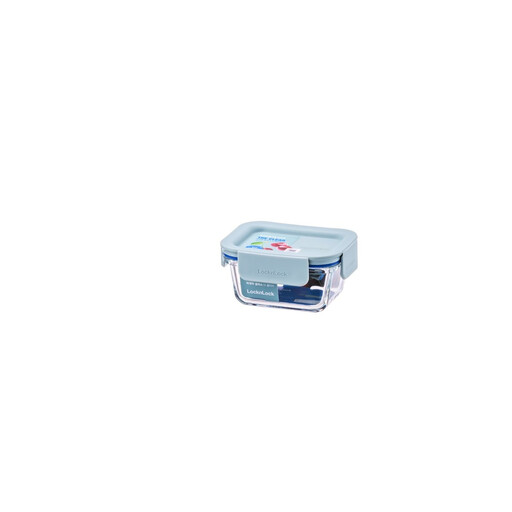
Why this choice suits this profile : This small container is perfect for fruit, side dishes, leftovers or a light meal to take away.
Its 380 ml capacity means you do not have to carry a disproportionately large container for a small portion. The side clips and seal are designed to maintain an airtight closure.
Transparent borosilicate glass, compact rectangular format and clip closure for storing or transporting food.
We have brought together a complete, real-time updated selection of products that meet these demanding criteria and European safety standards.
To preserve the leakproof performance of an airtight lunch container, regularly remove the silicone seal and clean its groove. Grease residue can prevent the lid from closing properly and encourage unpleasant odours. After washing, dry the container, lid and seal separately before putting them back together.
Inspect the container before each use. A crack, broken clip or deformed seal can compromise the safety of transporting food. In the microwave, always remove the lid when the product page instructs you to do so. Also avoid using the grill and fan-assisted oven functions if the manufacturer excludes them.
Some plastic and glass models are designed for use in the microwave. However, the lid must be removed or left slightly ajar, depending on the instructions for each reference. Never place a plastic lid in a conventional oven.
For a small portion or side dish, 380 to 500 ml may be sufficient. A capacity of 600 to 910 ml is better suited to a complete meal. For family leftovers or large quantities of ingredients, a container of 2 litres or more may be more practical, provided you have enough room in the fridge.
Close all four clips securely, check that the seal is correctly positioned and allow food to cool before closing the container. For very liquid preparations, choose a model with clearly stated leakproof properties and keep it flat during transport whenever possible.