
Livraison le jour même ou le lendemain

Qualité garantie

Débloquez vos offres de bienvenue: Livraison GRATUITE | Jusqu'à -80 % | 30 jours d'essai gratuits à JoyPlus
Téléchargez l'application
A good freezer container is the foundation of a well-organized kitchen and an essential ally against food waste. The problem? The market is saturated with products making tempting promises, and you can quickly end up with containers that crack at the first freeze, lids that no longer seal, or food ruined by freezer burn. As the head of product recommendations at Joybuy, my mission is simple: to help you make a clear and confident choice.
Let's cut through the marketing noise. We'll focus on the pitfalls to avoid and the criteria that truly matter for a smart purchase.
Before we even talk about features, you need to know how to spot the flaws that prove costly in the long run. Two problems come up time and time again:
Choosing the right product, therefore, is first and foremost about ensuring it's designed to withstand this dual challenge of time and cold.
To make an informed choice, three technical features need close inspection. They are the guarantee of durability, safety, and convenience for your reusable food container.
Each material has its strengths and weaknesses for freezing and storing food.
A container's effectiveness hinges entirely on its lid. Four-sided locking clip systems, combined with a silicone gasket, are far more reliable than simple press-on lids. A removable gasket is a real bonus for thorough cleaning, which helps prevent mould growth.
Good freezer organization relies on containers that nest and stack perfectly. Opt for square or rectangular shapes, which are much easier to arrange, and choose models designed for stable stacking. Flat lids or those with stacking ridges will save you precious space and put an end to wobbly towers.
Here is a selection of products that meet distinct user profiles, taking into account durability and practicality criteria.
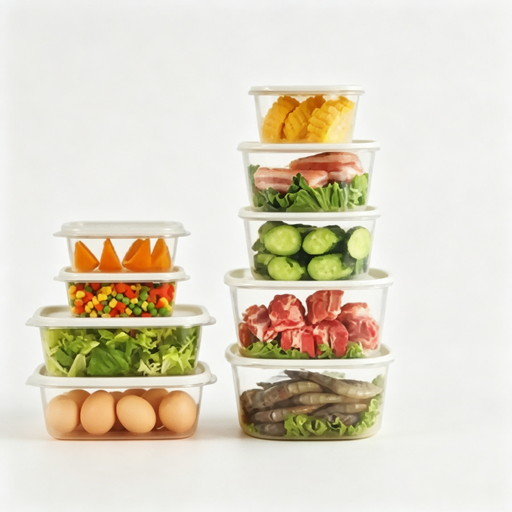
Why we chose it: For meal prep fans who prepare their week's meals in advance, an assortment of containers in different sizes is simply essential. This set allows you to store everything from complete meals to sauces or side dishes in a perfectly organized way.
Its airtight locking system is designed for heavy use, avoiding the common pitfall of warped lids. The freezer and microwave compatibility perfectly suits the meal prep cycle.
A complete 9-piece set for maximum versatility, able to adapt to all storage needs, from a main course to a simple snack.
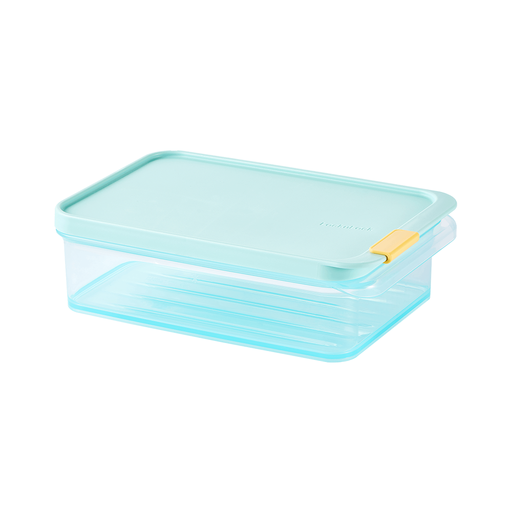
Why we chose it: The perfect solution for those who want to optimise every square inch of their freezer. This model is specifically designed for precision freezer organization.
Its BPA-free polypropylene (PP) plastic is designed to withstand freezing without ever cracking. The recessed lid design ensures a perfectly stable stack that won't topple over.
A clever modular stacking system that optimises vertical space, and label clips that make it easy to track contents and freezing dates.
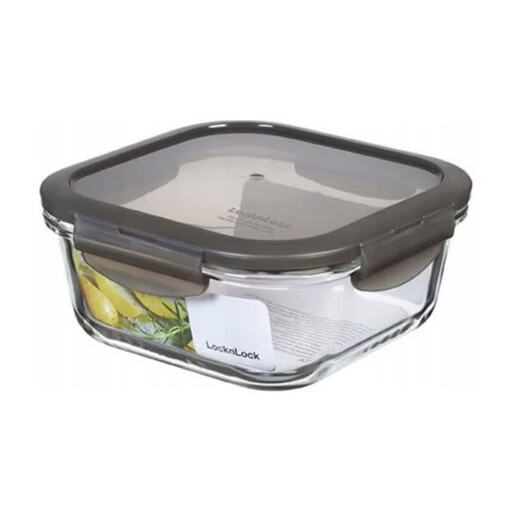
Why we chose it: For those who prioritise a healthy material and unbeatable versatility. This glass container goes from the freezer to the oven, and then straight to the table, simplifying both preparation and serving.
The borosilicate glass withstands thermal shock without cracking and doesn't retain stains or odours. Its 4-clip locking system guarantees a long-lasting seal, far superior to simple press-on lids.
Its heat resistance up to 400°C (without the lid) allows you to cook, reheat, and freeze all in the same dish.
We have selected a full range of products that meet our strict selection criteria and current safety standards.
Glass and stainless steel are considered the most inert and healthiest materials. They do not leach any chemicals into food and do not absorb odours or colours. If you opt for plastic, it is crucial to choose a model certified as BPA-free (bisphenol A) to ensure completely safe food contact.
No, and this is a crucial point. It is essential to use borosilicate glass. This type of glass is specially treated to withstand major thermal shocks, unlike standard soda-lime glass (the kind used for drinking glasses), which could shatter. Also, remember to always leave 2-3 cm of empty space (headspace) at the top of the container when freezing liquids (soups, sauces, etc.) to allow for their expansion.
For efficient freezer organization, favour rectangular or square containers, which optimise space much better than round ones. Use stackable models to take full advantage of the available height. Finally, get into the good habit of labelling each meal container with its contents and the date it was frozen. This is the key to good stock rotation and an end to food waste.