
Livraison le jour même ou le lendemain

Qualité garantie

Débloquez vos offres de bienvenue: Livraison GRATUITE | Jusqu'à -80 % | 30 jours d'essai gratuits à JoyPlus
Téléchargez l'application
A good food storage container can simplify your life in the kitchen, preserve the freshness of your food, and make meals on the go effortless. The problem? The market is saturated with options and sometimes misleading claims. How can you tell a reliable container from a gadget that will just end up in the back of a cupboard? As a Product Specialist at Joybuy, my mission is to help you make sense of it all.
Instead of a simple list of technical specs, this guide focuses on the pitfalls to avoid and the essential criteria for making an informed choice that truly fits your daily life.
Experience shows that disappointment often stems from details overlooked at the time of purchase. Here are the three most common mistakes:
To ensure you make the right choice, two criteria are fundamental: the material and the sealing mechanism.
Each material has its strengths and weaknesses. The right choice depends entirely on how you plan to use it.
For worry-free transport, the sealing mechanism is non-negotiable. The most reliable system combines four locking clips (one on each side) and a removable silicone gasket. This design ensures uniform pressure across the entire lid, creating a foolproof barrier against air and liquid leaks.
Instead of an endless list, here are targeted suggestions for specific needs.

Why this choice? For meal prep fans who prepare their week's meals in advance, versatility is king. This single dish allows you to cook, store, and reheat, optimising your time and reducing the number of dishes.
Its borosilicate glass body is designed to go safely from the fridge to the microwave, and even the oven (without its lid). Unlike plastic, it won't stain or absorb any odours.
Total versatility: bake, store, and reheat. Its 4-clip locking system guarantees a perfect seal for storing leftovers.
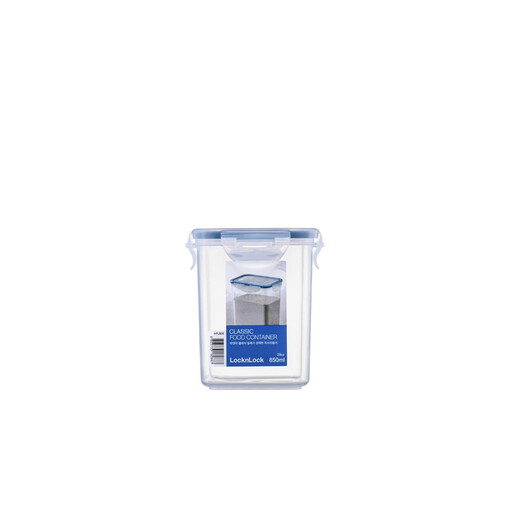
Why this choice? To take lunch to the office, you need a lunch box that is lightweight, sturdy, and above all, completely reliable. This model is a classic, praised for its practicality and its robustness for the daily commute.
It avoids pitfall #1 thanks to its 4-clip locking system and silicone gasket, which make it 100% leak-proof. No more anxiety about salad dressing spilling in your bag!
Lightweight and completely leak-proof. Its BPA-free plastic makes it a practical and safe solution for on-the-go use, and it's microwave-safe (always without the lid).
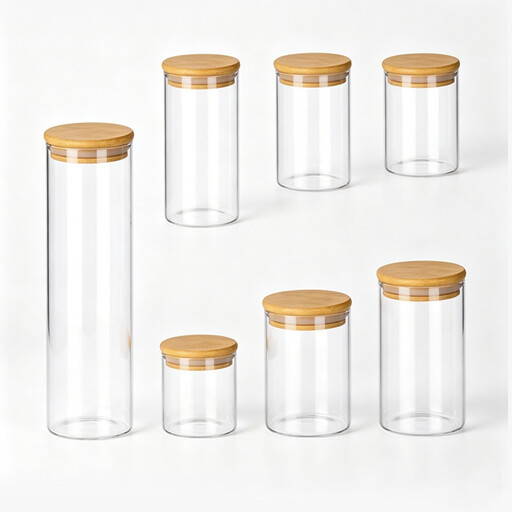
Why this choice? When organising a pantry, aesthetics and visibility are just as important as preservation. This set of glass jars lets you store dry goods with elegance, while allowing you to identify the contents at a glance.
It avoids the pitfall of using the wrong material for the wrong purpose. These jars are perfect for stationary storage of dry goods (pasta, rice, lentils…), where their weight isn't an issue and their transparency becomes a real asset.
Visual organisation and optimal storage for dry foods. The set of various sizes offers an all-in-one solution for harmonious and functional kitchen storage.
We have selected a full range of products that meet our strict selection criteria and current regulations.
Durability primarily depends on the material. A borosilicate glass or stainless steel food container can last for many years with proper care. For a plastic container, the lifespan ranges from 1 to 5 years depending on its quality, frequency of use (especially in the microwave), and the types of food stored. You should consider replacing it if it becomes heavily scratched, warped, or permanently stained.
For stubborn stains (like tomato sauce), make a paste with baking soda and a little water. Apply it to the stained area and let it sit for several hours before rinsing. To combat odours, fill the container with an equal-parts mixture of water and white vinegar and let it sit overnight. A good wash followed by air-drying (in the sun, if possible) is also very effective.
It's best to let the dish cool to room temperature for about thirty minutes before putting it in the fridge. Placing a hot dish directly into the cold forces your appliance to consume excess energy to compensate for the internal temperature rise. It's also the surest way to cause thermal shock, which could crack an ordinary (non-borosilicate) glass container.