
Same-day & Next-day Delivery

Quality Guaranteed

Unlock Your Welcome Offers: FREE Delivery | Up to 80% OFF | Free 30-day JoyPlus trial
Download the APP
Using glass to store food is a growing trend, and for good reason: it's a healthy, sustainable, and incredibly versatile solution. But be warned, the market is flooded with products that don't always live up to their promises. As a product expert at Joybuy, my mission is to help you see things clearly and make the right choice, away from misleading marketing claims.
Before you invest, be aware of the two most common pitfalls that can make a glass food container useless or disappointing after just a few months:
To avoid these disappointments, focus on three key points that are the hallmarks of a quality, durable glass food container.
Far from being a technicality, this is the criterion that defines your container's versatility.
A container's seal depends entirely on the quality of its lid and gasket.
The compatibility symbols (oven, microwave, freezer, dishwasher) are your best friends. Always check if these indicators apply to the entire product or just the glass container. As a general rule, remember this:
Instead of searching for a one-size-fits-all product, it's better to choose a model tailored to a specific need. Here is our selection for different profiles.

Perfect for meal prepping and transport. Its 630 ml capacity is ideal for a single serving. The borosilicate glass body allows you to reheat your meal directly in the microwave without transferring it to a plate.
Its 4-clip locking system, combined with a removable silicone gasket, guarantees a foolproof seal. No more sauce leaks in your bag! The borosilicate glass body eliminates any risk of shattering during reheating.
Absolute versatility: compatible with the oven (without lid), microwave, freezer, and dishwasher. It's the true all-in-one solution to prep, store, transport, and reheat.
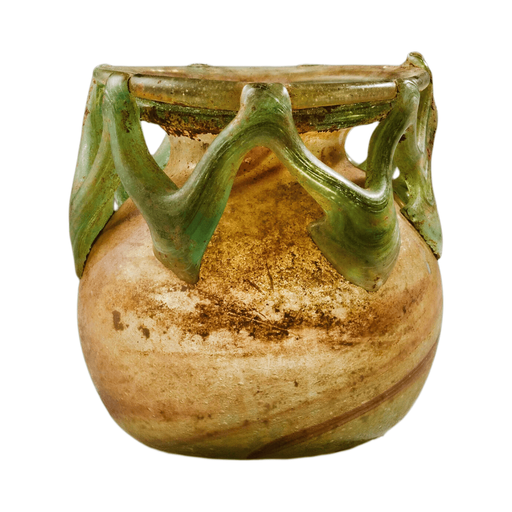
For those who see the storage jar as a true decorative object. This jar blends aesthetics with practicality for storing dry goods (pasta, rice, legumes, coffee) on a countertop or shelf.
Unlike many purely decorative jars, this one includes an acacia wood lid with a real silicone gasket. It ensures an airtight seal that protects food from moisture and pests.
Its Roman-inspired hammered glass design is a real decorative plus. Its transparency allows you to see the contents and remaining level at a glance.
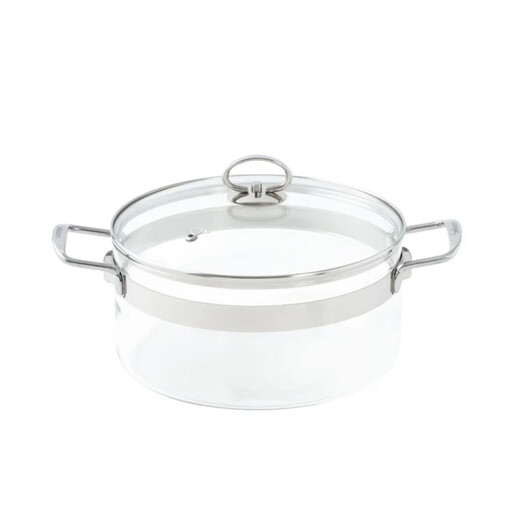
Ideal for preparing soups, stews, and other slow-cooked dishes in large quantities. Its generous 4.2 L capacity is perfect for a family and lets you go from the stovetop to the table, and then to the fridge without changing containers.
More than just a storage dish, this is a true piece of cookware. Its borosilicate glass construction is designed to withstand direct heat from stovetops (gas/electric) and the oven (up to 180°C), eliminating any risk of breakage from improper use.
Its transparency allows you to monitor cooking at a glance without lifting the lid, which preserves heat. As a perfectly neutral material, glass doesn't retain odours or flavours.
Explore our complete selection of glass containers and jars that meet all our quality and safety criteria.
The plastic lid should never go in a conventional oven, or it will melt. Most are microwave-safe, but it's advisable not to seal it tightly: simply rest it on top of the dish or open the steam vent to avoid any risk of pressure buildup.
For perfect hygiene and maximum lifespan, remove the gasket from the lid at least once a week. Clean it by hand with warm, soapy water, rinse it thoroughly, and let it air dry completely before putting it back. This simple step prevents mould growth and trapped odours.
A glass food storage container is designed for versatility: cooking, storing leftovers, and transporting your meal (the classic lunch box). It's usually made of borosilicate glass with a very secure, clip-on lid. A storage jar, on the other hand, is primarily used for storing dry goods (flour, sugar, pasta) in a pantry or on a shelf. The priority is on aesthetics and airtightness, but it is absolutely not designed for cooking.