
Livraison le jour même ou le lendemain

Qualité garantie

Débloquez vos offres de bienvenue: Livraison GRATUITE | Jusqu'à -80 % | 30 jours d'essai gratuits à JoyPlus
Téléchargez l'application
Switching from plastic to glass for food storage is an excellent move for both your health and the planet. The problem? The market is flooded with products that make enticing promises but often fail to deliver. An oven-safe glass food container must be more than just a simple receptacle; it's a true everyday ally, from meal prep and oven cooking to freezing. To avoid regretting your purchase after a few months, here's how to steer clear of the most common pitfalls.
As the Head of Product Recommendations at Joybuy, my mission is to help you see things more clearly. Here, I'll outline the critical points you should never overlook, along with a selection of products that meet our strictest criteria for quality and versatility.
Enthusiasm for healthier cooking can sometimes make us overlook a few technical details. Here are the most common mistakes that turn a good investment into a source of regret.
The term "glass" is generic. Many containers are made of soda-lime glass, a material perfectly suited for refrigerator storage but which can crack or shatter under thermal shock (a sudden shift from cold to hot). A dish not explicitly designed for the oven is not only dangerous but also a complete waste of money.
An airtight oven dish is only truly airtight if its locking system is up to the task. Many entry-level models use flimsy clips that break after a few uses or a poor-quality silicone seal that warps, loses its seal, and becomes a breeding ground for bacteria. The result: leaks in your bag and food that loses its freshness.
You're choosing glass to avoid controversial substances like BPA. Excellent choice. However, if the plastic lid, which is often in direct contact with your food, isn't certified BPA-free, your effort is pointless. A truly BPA-free container must guarantee that all of its components are non-toxic.
To ensure your glass container will serve you for years, from meal prep to cooking, focus on these three non-negotiable points.
For safe use in the oven, microwave, and freezer, only one type of glass makes the cut: borosilicate glass. Its unique composition gives it exceptional resistance to thermal shock. It can withstand extreme temperature changes without ever breaking. It is THE standard to demand for a truly versatile borosilicate glass container.
A reliable locking system is paramount. The best-performing models, like those popularized by Lock & Lock glass, use a 4-clip system that distributes pressure evenly. Also, ensure the silicone seal is thick enough and, most importantly, removable. This provides a dual guarantee of a perfect long-term seal and easy, deep cleaning to eliminate any risk of mould.
The true value of a glass meal container lies in its ability to simplify your life. The perfect container should do it all:
Rather than an endless list, we've chosen to feature targeted models that meet specific needs, all while checking every box on our quality and safety checklist.

Why it's perfect: Its 630 ml capacity is ideal for a single serving. The rectangular shape makes it easy to stack in the fridge, a real space-saver when preparing your meals for the week.
The body is made of heat-resistant borosilicate glass. The clip-on lid is sturdy and certified BPA-free, ensuring a leak-proof seal for transport.
Its total versatility (oven, microwave, freezer) and its sleek design, perfect for a lunch break at the office.

Why it's perfect: Its generous 2-litre capacity is ideal for lasagnas, casseroles, and family roasts. It transitions seamlessly from the oven to the table, and then to the fridge to store leftovers.
The borosilicate glass body can withstand temperatures up to 400°C. The silicone seal is removable for easy cleaning and impeccable hygiene.
Its large capacity is ideal for shared dishes, and its 4-clip locking system ensures perfectly airtight storage for leftovers.
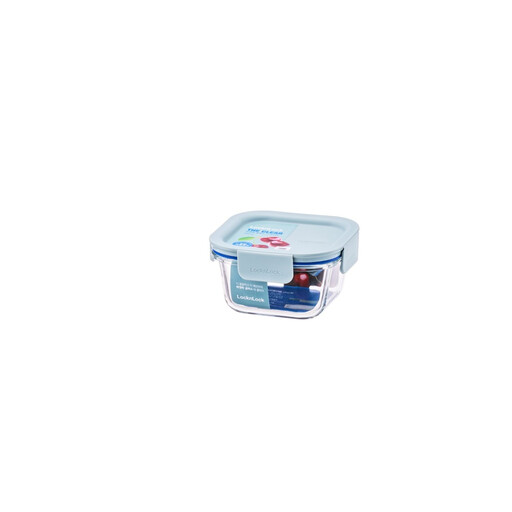
Why it's perfect: Its compact, square 500 ml format is perfect for storing a sauce, cut fruit, homemade yoghurt, or small leftovers. It fits easily into a bag and optimises fridge space.
Made from borosilicate glass, it transitions from the fridge to the microwave without issue. Its clip-lock system is secure, a crucial detail for transporting liquid snacks or sauces without leaks.
Its compact, stackable design optimises storage. It's also perfect for portion control and fighting food waste.
We have compiled a complete, up-to-date list of products that strictly adhere to our selection criteria and European safety standards.
No. This is a fundamental safety rule: the borosilicate glass body is designed for high temperatures, but the plastic lid (even if BPA-free) and its silicone seal are absolutely not. They could melt, warp, and release harmful substances. Always remove the lid before placing the dish in the oven or microwave.
For impeccable hygiene, it's essential to remove the seal from the lid after each use. Wash it by hand with warm, soapy water, then let it air dry completely before putting it back. This simple step extends its life and ensures a perfect seal over the long term.
Tempered glass is standard soda-lime glass that has been treated to increase its resistance to mechanical shock (drops). However, its resistance to thermal shock remains limited. Borosilicate glass, on the other hand, incorporates boron into its composition. It is specifically designed to withstand rapid and extreme temperature changes, making it the only truly safe material for use from the freezer to the oven.