
Livraison le jour même ou le lendemain

Qualité garantie

Débloquez vos offres de bienvenue: Livraison GRATUITE | Jusqu'à -80 % | 30 jours d'essai gratuits à JoyPlus
Téléchargez l'application
A constantly wet countertop, rust spots appearing within weeks, a desperate lack of space... Choosing a dish rack might seem trivial, yet it's a classic trap purchase. Many models hide flaws that can quickly turn your daily routine into a headache. As a product expert at Joybuy, my mission is to guide you beyond the marketing claims to make a truly informed choice. Let's break down the mistakes to avoid and the criteria that really matter to find the perfect kitchen organiser for you.
Before you even look at specific models, let's identify the most common problems that will make you regret your purchase in no time.
To avoid these traps, focus on three key points that will make all the difference in the quality and practicality of your future dish drying rack.
The material has a direct impact on your dish rack's lifespan, maintenance, and style.
Keeping your countertop dry is non-negotiable. Two systems compete:
Be realistic about your needs to avoid needlessly cluttering your kitchen.
Here are a few models that check all the boxes for durability and practicality, suited for different needs.
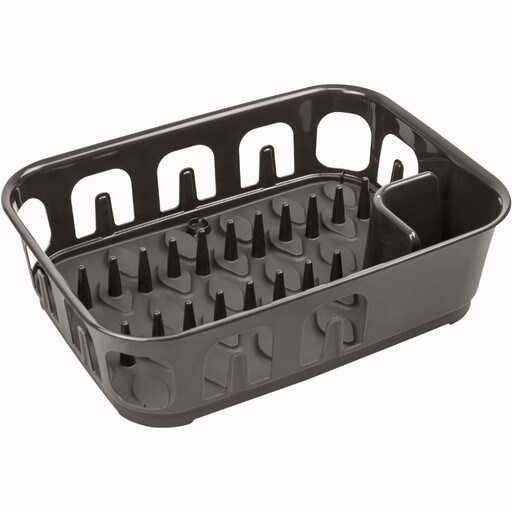
The Smart Buy: Perfect for students, single-person households, or couples in an apartment. Its compact size fits anywhere while handling the basics for everyday dishwashing.
Made of polypropylene, it is 100% rust-proof. Its single-piece structure remains stable under a normal load, eliminating the risk of tipping.
Dishwasher-safe for zero-effort maintenance. Compact, all-in-one design with an integrated cutlery holder.
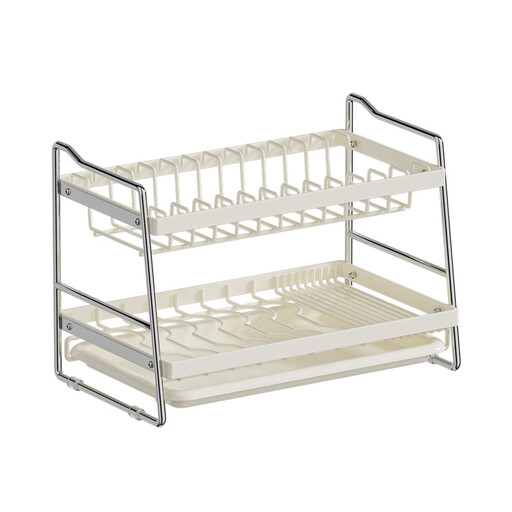
The Smart Buy: The solution for families or those without a dishwasher. Its vertical structure doubles the drying capacity without taking over the countertop. A true pro at kitchen organisation.
Its 2-tier dish rack format is the answer to a lack of space. The integrated drip tray ensures proper water drainage and puts an end to a constantly soaked countertop.
High capacity with a minimal footprint. Versatile layout for plates, bowls, glasses, and cutlery.

The Smart Buy: For those seeking a model that combines longevity with a clean aesthetic. Its stainless steel design fits perfectly into modern kitchens, and its robust construction is a long-term investment.
Its quality stainless steel frame is a bulwark against corrosion and premature rust. The removable drip tray ensures clean drainage and easy maintenance.
Premium, sturdy, and hygienic material. Ready to use right out of the box with no assembly required for perfect stability.
Explore our complete selection of dish racks and kitchen organisers, all vetted against our quality and durability standards.
1. How do I properly clean my dish rack to prevent mould and limescale? The secret is consistency. For plastic, a weekly cleaning with soapy water (or a run through the dishwasher) is sufficient. White vinegar is your best friend against limescale. For stainless steel, use a soft cloth to avoid scratching it. Most importantly, remember to empty and rinse the drip tray every day or two.
2. What is the average lifespan of a dish rack? It all depends on the material. A good plastic model will last 3 to 5 years. A well-maintained, quality stainless steel dish rack (type 304) can easily last over 10 years. Conversely, low-end chrome-plated metal models often rust in less than a year.
3. Is a 2-tier dish rack really stable? Yes, if the model is well-designed. Good products have a wide base, non-slip feet, and a solid frame. The golden rule: distribute the weight evenly by placing the heaviest items (pots, pans, large plates) on the bottom tier. Always check the maximum load capacity recommended by the manufacturer.