
Livraison le jour même ou le lendemain

Qualité garantie

Débloquez vos offres de bienvenue: Livraison GRATUITE | Jusqu'à -80 % | 30 jours d'essai gratuits à JoyPlus
Téléchargez l'application
A small cut, a scrape from gardening, or a blister after a long walk… Bandages are an essential for any first-aid kit. Yet, when faced with shelves overflowing with promises, making the right choice is difficult. A bandage that peels off at the first drop of water or irritates the skin can quickly turn a minor scrape into a real nightmare. As editorial experts, our mission is to decode the labels for you. Forget the marketing jargon: here is a practical guide to choosing the perfect bandage for every situation.
To avoid throwing your money away, here are the most common disappointments to be aware of before you buy.
To ensure you don't make a mistake, focus on these few simple but decisive technical features.
The bandage's material determines its use. The main types are:
The adhesive must ensure a strong hold without irritating the skin. For sensitive skin, a tested hypoallergenic formula is a prerequisite to limit the risk of a reaction.
For any open wound, no matter how small, using a sterile bandage is non-negotiable to prevent infection. Each bandage is individually wrapped to guarantee this sterility until use.
The central pad, meanwhile, must be absorbent but, most importantly, non-stick. A pad that sticks to the wound makes removal painful and risks damaging the newly forming skin.
A box of bandages offering several formats is often the smartest choice to handle different situations. For specific areas, adapted shapes are available:
Rather than an endless list, here are our targeted recommendations that meet specific needs while sidestepping the classic pitfalls.
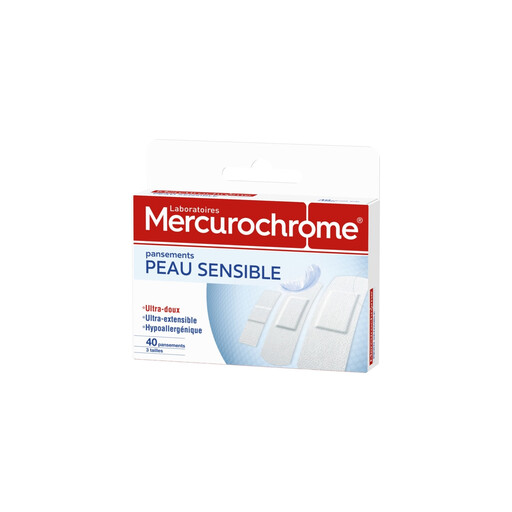
Why it's the right choice: Perfect for the whole family with its three sizes and high-tolerance formula, designed for the most fragile skin, including children's. Its micro-aerated and ultra-soft fabric ensures optimal comfort for daily use.
It checks all the boxes for reactive skin: a hypoallergenic composition and an ultra-soft, non-woven backing. The assortment of sizes puts an end to the headache of an ill-fitting, one-size-fits-all bandage.
Its highly flexible, micro-aerated fabric material perfectly conforms to movements, even on joints, without ever getting in the way or peeling off.
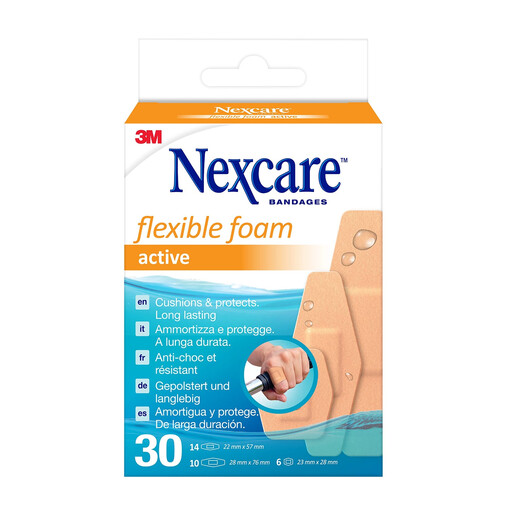
Why it's the right choice: The perfect companion for those who can't sit still. Its foam material cushions against impact while its adhesive resists water and sweat. Essential for sports, DIY projects, or gardening.
It shatters the myth of the fake "waterproof" bandage by holding fast even on damp skin. Its unique diamond shape is designed to conform to difficult areas (knees, elbows), thus bypassing the standard-format problem.
Its foam backing acts as a protective cushion against impacts while flexing with the skin's movements. Its rock-solid hold, even in wet conditions, is a real asset for intense activities.
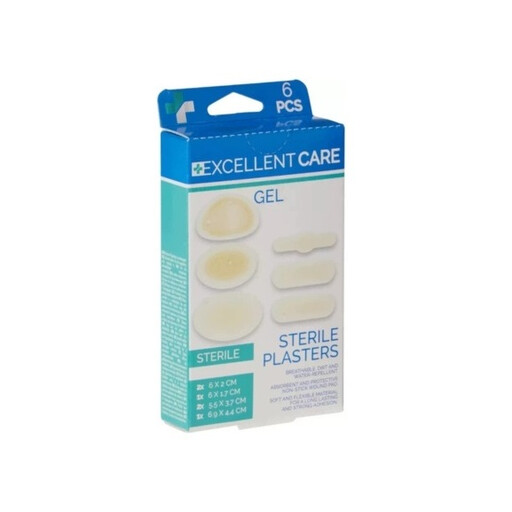
Why it's the right choice: The ally of hikers, runners, and anyone who suffers from shoe friction. More than just a bandage, it's a targeted treatment that soothes, protects, and accelerates healing.
This product is the very antithesis of a "do-it-all" bandage. It's a technical solution (hydrocolloid bandage) developed for a specific problem, where a classic bandage would be not only ineffective but also uncomfortable.
The hydrocolloid technology forms a protective gel that acts like a second skin, instantly relieving pressure and pain. Waterproof and breathable, it can stay in place for several days for optimal, uninterrupted healing.
Explore our full selection of products that meet our quality criteria and current safety standards.
What's the difference between a sterile and non-sterile bandage? A sterile bandage is packaged in a sealed, individual wrapper that guarantees it is free of any microorganisms until opened. It is essential for covering an open wound (cut, deep scrape) to prevent infection. A non-sterile bandage, often sold in a cut-to-size roll or a box without individual wrappers, is used to protect a healthy area from friction or to cover a scratch that is already healing.
How long should you keep a bandage on? As a general rule, it's advisable to change a standard adhesive bandage daily, or as soon as it gets wet or dirty, to keep the wound clean. However, certain types of technical bandages, like a hydrocolloid-based blister bandage, are designed to stay in place for several days. They usually come off on their own once healing is well underway. In all cases, follow the manufacturer's instructions.
My bandage won't stick, what should I do? For optimal adhesion, the skin around the wound must be perfectly clean, dry, and free of any cream or lotion. After applying the bandage, press firmly on the edges for a few seconds to help the adhesive bond. If the problem persists, the bandage is either unsuitable for the area (e.g., a highly mobile joint) or simply of poor quality. A good waterproof bandage must form a tight seal on all four sides of the pad to be effective.