
Livraison le jour même ou le lendemain

Qualité garantie

Débloquez vos offres de bienvenue: Livraison GRATUITE | Jusqu'à -80 % | 30 jours d'essai gratuits à JoyPlus
Téléchargez l'application
A box of adhesive plasters doesn't cover every need. A plaster designed for a cut on your finger is likely to peel off in the shower, while a waterproof plaster can feel too occlusive or be painful to remove on reactive skin. Before comparing Mercurochrome, Hansaplast or Nexcare, the most important thing is to choose a format, material and level of protection suited to the situation.
The term "waterproof" usually indicates protection against splashes, showering or brief contact with water. It does not guarantee that the plaster will stay perfectly in place after a long bath, a workout or a swim.
Check that the adhesive covers the entire perimeter, that the backing remains flexible enough, and that the replacement instructions are clear. A damp, dirty or peeling plaster should be changed.
Stronger adhesion might seem reassuring, but it can make removal painful or irritating, especially for children, the elderly and those prone to redness. Hypoallergenic plasters are formulated to reduce the risk of a reaction, though they don't eliminate it entirely.
The term "hypoallergenic" is not an individual guarantee. If you experience redness, itching or irritation, stop using the product and consult its instructions.
A standard rectangular plaster rarely stays put on a joint, fingertip or heel. Creases reduce adhesion and can let water or dirt in. For these areas, it's better to choose finger plasters, stretchable models or blister plasters designed to move with you.
For a small graze, a pre-cut plaster can be applied in seconds. A larger or irregularly shaped wound is easier to cover with a cut-to-size plaster or a roll. In every case, the plaster should extend well beyond the wound so the pad stays centred and the adhesive can grip clean, dry skin.
A non-stick pad makes removal more comfortable. To clean or protect a wound with a separate pad, sterile gauze pads can be held in place with adhesive tape, without sticking the tape directly onto the open wound.
Strength and flexibility should be considered together. A very rigid backing is likely to peel off quickly on a moving area, while a stretchy model may be less suitable for a larger wound that needs perfectly stable coverage.
Hydrocolloid plasters are particularly well suited to blisters caused by friction. In contact with moisture from the protected area, they form a gel that creates a flexible barrier. Apply them to clean, dry skin, following the instructions on the packaging.
Corns plasters don't all do the same job. Some simply reduce friction with a protective foam; others contain an active ingredient, such as salicylic acid. The latter require more care and may not be suitable for people with diabetes or circulatory problems. If in doubt, ask a healthcare professional for advice.
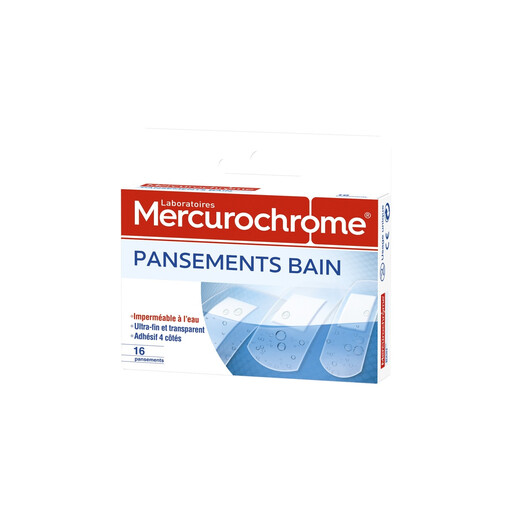
Why this choice suits this profile: With its 16 pre-cut plasters, this box covers everyday minor cuts and grazes. The transparent backing is suitable for showers and daily activities.
The pre-cut format saves you from measuring and cutting a roll. The non-stick pad also reduces the risk of uncomfortable removal.
Ultra-thin and transparent backing, water-resistant protection, 16 plasters included.
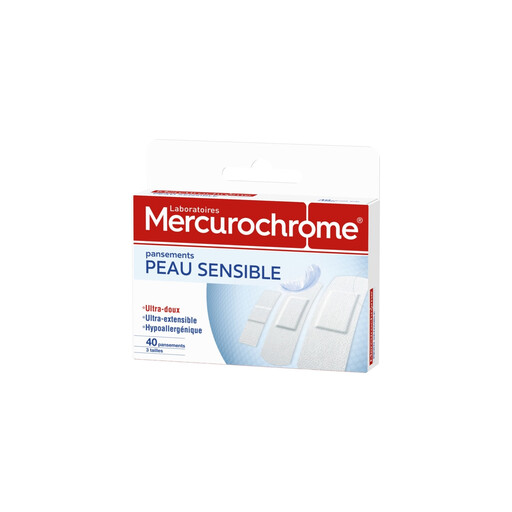
Why this choice suits this profile: Users who prioritise comfort benefit from three sizes, a stretchy fabric and an adhesive described as hypoallergenic for frequent minor injuries.
The different sizes prevent you from choosing a plaster that's too short or too wide. The stretchy backing moves with you without forcing a one-size-fits-all format.
40 units, three sizes, ultra-soft and breathable material.
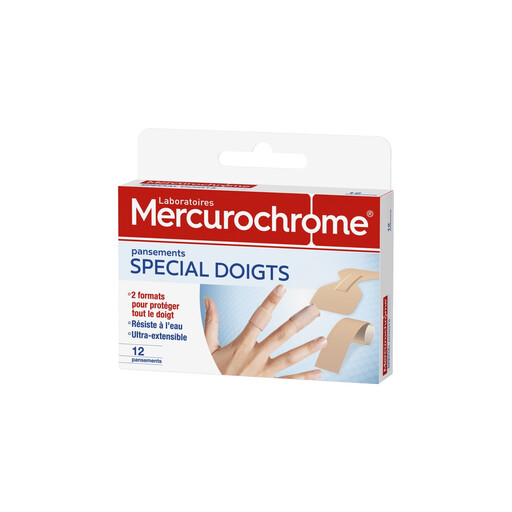
Why this choice suits this profile: Its ergonomic shape suits fingertips and highly mobile areas, especially during manual or sporting activities.
Its dedicated shape avoids the creases of a standard plaster around the finger. Its water resistance is also handy for frequent hand washing.
Two sizes, ultra-stretchy fabric, micro-perforated and water-resistant backing.
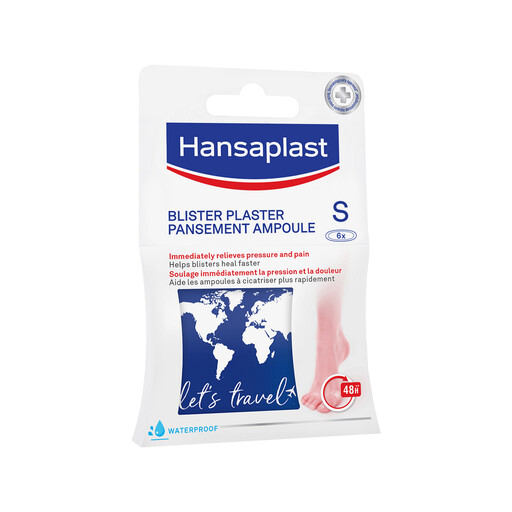
Why this choice suits this profile: These six small hydrocolloid plasters are designed for blisters caused by shoe friction.
The hydrocolloid technology and dedicated format avoid using a standard plaster, which often peels off on the heel or arch of the foot.
Friction protection, water-resistant backing and possible multi-day wear, depending on the instructions.
We've put together a comprehensive, real-time updated list of products that meet these demanding selection criteria and European safety regulations.
Plasters are generally intended for single use. Do not use a product whose sterile packaging is damaged or whose expiry date has passed.
It depends on the model and the condition of the wound. A standard plaster should be replaced as soon as it becomes damp, dirty or starts to peel off. Some hydrocolloid models can stay in place for several days, as per their instructions, provided they hold well and cause no unusual signs.
Opt for an ultra-soft, micro-perforated backing that is described as hypoallergenic. Latex-free options may also suit some people. Try it carefully first and remove the product if you experience redness, itching or irritation.
A hydrocolloid blister plaster mainly protects against friction. A corn plaster can simply cushion pressure or contain an active ingredient. Do not use any of these products on an infected wound or open skin without medical advice. People with diabetes or circulatory problems should seek advice before using a product intended for corns.