
Livraison le jour même ou le lendemain

Qualité garantie

Débloquez vos offres de bienvenue: Livraison GRATUITE | Jusqu'à -80 % | 30 jours d'essai gratuits à JoyPlus
Téléchargez l'application
A ruined hike, a night out cut short, a workday that turns into an ordeal... all because of a simple foot blister. Sound familiar? Rest assured, you're not alone. When faced with the plaster aisle, it's easy to think it's a quick decision. However, it's easy to fall into common traps that make a product not just ineffective, but sometimes even counterproductive. As a Product Recommendation Lead at Joybuy, my role is to help you see things more clearly, beyond the marketing hype.
Before you choose, watch out for these two widespread mistakes:
Choosing the right blister plaster isn't just about immediate comfort; it's an essential step for fast, complication-free healing.
To ensure you never make the wrong choice again, there are two key points to check. They make all the difference between a simple cover-up and a solution that actually heals.
The word may sound technical, but its effect is revolutionary. The hydrocolloid plaster is now the gold standard for blister care.
Where a standard plaster merely covers, a hydrocolloid one acts. When its particles come into contact with fluid from the blister, they form a protective gel. This gel creates a cushion that relieves pain, maintains an ideal moist environment for healing, and prevents a scab from forming. This is the famous "second skin" effect: the wound is sealed off from bacteria, and the skin regenerates faster, without pain.
A good blister plaster must stay in place, period. Two features are therefore non-negotiable:
By checking these two points, you can be sure you're investing in a true protective shield, not a gimmick that will peel off in under an hour.
Every situation requires a tailored solution. Here is a selection of products that meet specific needs, in line with the quality criteria we've just outlined.
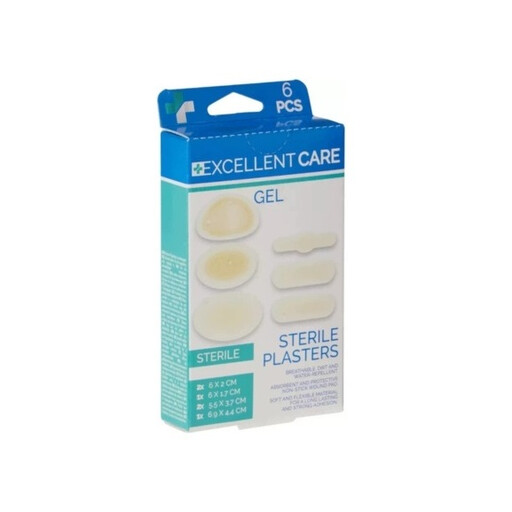
Why we recommend it: Because it's designed for emergencies. This kit contains 6 sterile plasters in 4 different sizes, perfect for adapting to a small blister on a toe or a larger one on the heel. It's the essential first-aid kit for hikers and athletes.
Thanks to its hydrocolloid technology, it doesn't just cover the blister: it heals it. The resulting gel prevents the nightmare of a dry dressing sticking to the wound.
Its outer polyurethane film is both breathable and waterproof. It creates an antibacterial barrier that stays perfectly in place for several days.
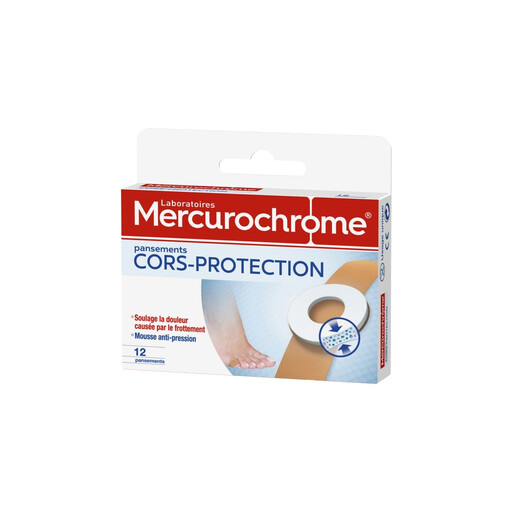
Why we recommend it: Prevention is better than cure! This is the winning strategy for breaking in new shoes or protecting known friction spots. Although sold for corns, these plasters are perfect for prevention: their thick foam absorbs pressure and friction before a blister can even form.
It works proactively by tackling the root cause of the problem: friction. Applied to an at-risk area before you head out, it prevents you from entering the vicious cycle of pain and treatment.
Its anti-pressure foam offers far superior cushioning than a standard plaster. Its adhesive is designed to hold firm, even inside a hiking boot or a stiff pair of dress shoes.
Discover our full selection of foot care products, all approved according to our quality and safety standards.
Absolutely, it's actually the best thing to do! Gently clean the area with soap and water (or an alcohol-free antiseptic), then carefully dry the skin around the wound before applying. The gel plaster will protect the raw skin from bacteria and accelerate healing in a moist environment.
Leave it in place until it starts to peel off on its own, usually after 2 to 5 days. Don't worry if a white bubble forms: that's a good sign! It means the hydrocolloid gel is doing its job by absorbing fluids. Removing it too early will only disrupt the healing process.
Yes, provided you choose the right model. Hydrocolloid plasters designed for sports feature reinforced adhesion and an ergonomic shape to withstand movement and sweat. They act as a true second skin, protecting the blister from intense friction and allowing you to continue your activity with significantly less pain.