
Livraison le jour même ou le lendemain

Qualité garantie

Débloquez vos offres de bienvenue: Livraison GRATUITE | Jusqu'à -80 % | 30 jours d'essai gratuits à JoyPlus
Téléchargez l'application
A long hike, a new pair of shoes, a full day on your feet... and the inevitable happens: a painful blister appears on your heel or toes. This small blister, however minor, can quickly turn any activity into an ordeal. Yet, when you're standing in the bandage aisle, what seems like a simple choice is actually a minefield. The wrong decision can worsen the pain and delay healing.
As a product expert at Joybuy, my role is to help you see things more clearly. Together, let's break down the marketing traps and rookie mistakes so you can finally find the bandage that will save the day, whether you're treating an existing blister or preventing one from forming.
Before you grab the first box you see, let's review the common mistakes that are costly, both in terms of comfort and money.
To make the right choice with confidence, two criteria matter more than anything else. They alone determine 90% of your bandage's effectiveness.
This is THE deciding factor. Once you master this distinction, you'll know exactly how to treat a blister.
The foot isn't flat. An effective bandage must therefore be perfectly suited to the area it protects.
To help you sort through the options, here is our selection of products that meet specific needs, in line with the criteria we've just discussed.
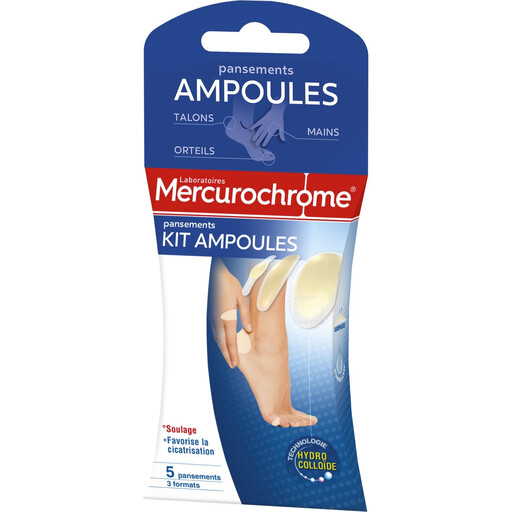
Why we recommend it: The ideal companion for athletes looking for a reliable solution to treat an existing blister. Its second-skin effect ensures optimal comfort even during intense effort, and its water resistance allows it to hold up against sweat.
This is a true hydrocolloid treatment bandage, not just a simple protective layer. Its water resistance ends the nightmare of peeling bandages.
Its hydrocolloid technology forms a protective gel that soothes pain and creates an ideal environment for the skin to regenerate faster.
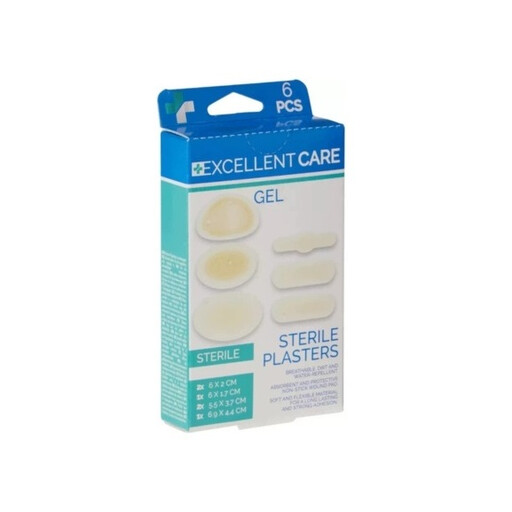
Why we recommend it: Perfect for "surprise" blisters after a long walk or from new shoes. This smart kit offers multiple sizes to fit any area of the foot, from heel to toe.
By offering several different sizes, this kit says goodbye to the "one-size-fits-all" myth. It also incorporates hydrocolloid technology to ensure proper treatment.
Its versatility. The assortment of sizes covers all occasional needs in a convenient and cost-effective format.
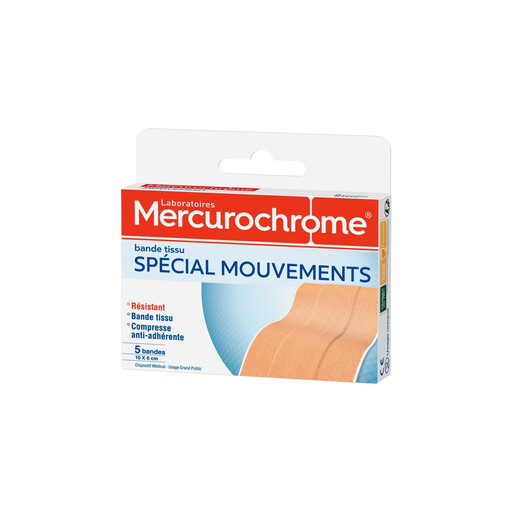
Why we recommend it: For those who believe "prevention is better than cure." This cut-to-fit stretch fabric bandage is perfect for creating a custom anti-friction barrier on high-risk areas before putting on your hiking boots or high heels.
This product is 100% dedicated to prevention. No need to waste an expensive, technical bandage. Its cut-to-fit format makes it ultra-versatile and economical.
Its stretch fabric moves with you without peeling off, while the cut-to-fit format ensures personalized and highly economical protection.
Explore our full selection of products that meet our strict selection criteria and current safety standards.
A hydrocolloid bandage is designed to stay in place for several days. Above all, do not remove it to "let the wound breathe"—that's a common misconception. It will gradually peel off on its own. Wait until the edges start to lift before changing it. Removing it too early could tear the new skin that is forming underneath.
As a general rule, it's best not to pop a blister: the skin covering it is your best barrier against infection. However, if it is very painful or about to burst, you can gently pierce it with a sterilized needle. Be sure to disinfect the area before and after, then cover it with a hydrocolloid bandage to protect it and aid healing. At the first sign of infection (redness, pus, increasing pain), consult a doctor or pharmacist.
A regular bandage is a simple adhesive dressing designed to protect a small cut from dirt. A blister bandage, especially a second-skin bandage (hydrocolloid), is in a different league. It is much more technical: it creates a moist environment that speeds up healing, absorbs fluid, forms an anti-pressure cushion, and relieves pain. In short, it does everything a regular bandage can't.