
Livraison le jour même ou le lendemain

Qualité garantie

Débloquez vos offres de bienvenue: Livraison GRATUITE | Jusqu'à -80 % | 30 jours d'essai gratuits à JoyPlus
Téléchargez l'application
A small cut, a scrape... and it's off to the medicine cabinet for a bandage. But for those with sensitive skin, this simple act can quickly turn into a nightmare?: redness, itching, or even allergic reactions to the adhesive. Finding the ideal bandage for sensitive skin—one that protects without causing irritation—becomes a real quest.
The market is full of promises, but not all are created equal. Before making your choice, it's best to know the pitfalls to avoid so you don't end up with an unsuitable product and even more irritated skin.
To stop choosing your bandages at random, here are the technical specifications that make all the difference.
The backing is the visible part of the bandage that holds the pad and adhesive. Its material has a direct impact on comfort and skin tolerance.
The adhesive is the main culprit behind skin reactions. If you're looking for an anti-allergy bandage, its composition is the point to examine closely. Acrylic adhesives are the most common, but not all formulas are created equal. A good hypoallergenic bandage must incorporate an adhesive mass designed for high skin tolerance. The goal?: to ensure it stays in place without irritating the skin and allows for gentle removal.
A stretchable bandage is essential for wounds on joints or highly mobile areas. It conforms to the body's contours and follows every movement without peeling off or creating tension on the skin. This flexibility not only ensures a better hold but is also a guarantee of everyday comfort.
To help you make an informed decision, here is our selection of products that meet different needs, with one guiding principle?: respect for the most delicate skin.
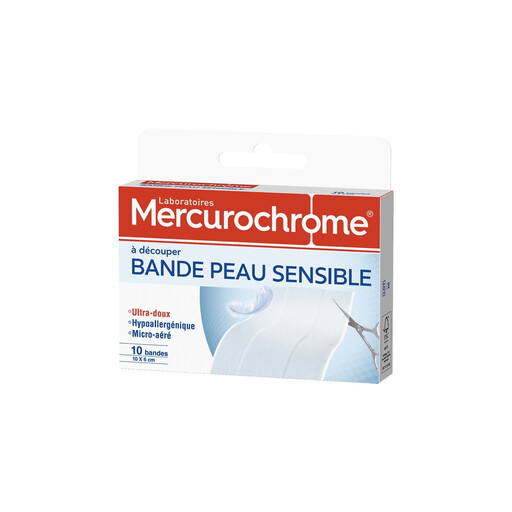
Why we love it : Specially designed for delicate skin, this bandage combines an ultra-soft non-woven backing with a hypoallergenic formula for optimal respect for the epidermis.
Its micro-perforated backing counters the occlusion trap by letting the skin breathe, while its ultra-soft texture and high-tolerance adhesive go far beyond a simple "hypoallergenic" claim.
Its large, cut-to-size format allows you to customise it to the wound's size, making it highly versatile.
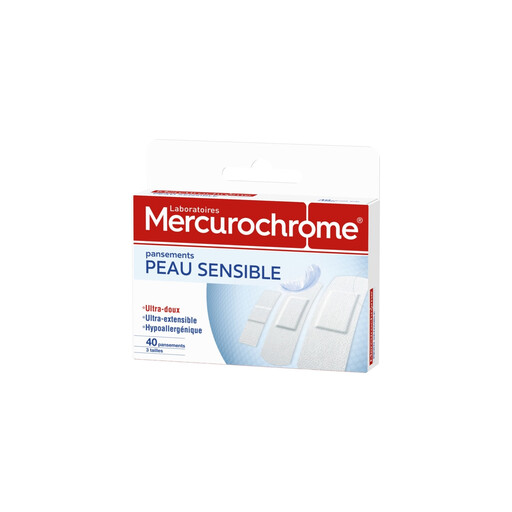
Why we love it : Perfect for joints, this ultra-stretchy bandage follows every movement without peeling off. Its multi-format pack is ideal for handling the whole family's minor scrapes.
It perfectly avoids the rigid bandage trap. Its ultra-stretchy material and breathable fabric backing ensure optimal comfort, even on knees or fingers, and prevent friction-related irritation.
The box contains 3 different sizes, making it as economical as it is practical for always having the right size on hand.
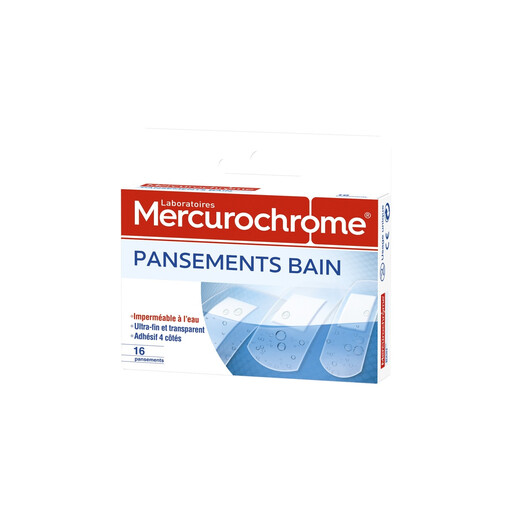
Why we love it : For protecting a wound from water (shower, pool, sea) without sacrificing comfort. Its thinness and transparency make it nearly invisible.
Although waterproof, its breathable backing limits the occlusion effect. Its pad is also non-stick : it won't adhere to the wound, ensuring gentle removal.
It perfectly seals the wound from water while remaining ultra-thin and transparent. Effective and discreet protection for the pool and the shower alike.
Discover our complete selection of bandages and skin care products, all tested and approved by our editorial team.
The term 'hypoallergenic' focuses on the adhesive's formula to minimise allergy risks. A 'sensitive skin' bandage takes a more holistic approach?: it combines a high-tolerance adhesive, a softer backing (like non-woven fabric), superior breathability, and great flexibility for maximum comfort and pain-free removal.
It is advisable to change it daily, or as soon as it becomes wet or dirty. On delicate skin, this is an essential precaution to check for any irritation under the adhesive and maintain perfect hygiene. Unless otherwise specified by the manufacturer for special bandages (like hydrocolloids), avoid keeping it on for more than 24 hours.
Yes, it's a major asset. A breathable bandage protects the wound from bacteria and dirt while allowing air to circulate. This ventilation prevents moisture from accumulating (the aforementioned maceration), a phenomenon that softens the skin, slows healing, and creates an ideal environment for bacteria. For sensitive skin, this is a non-negotiable criterion.