
Livraison le jour même ou le lendemain

Qualité garantie

Débloquez vos offres de bienvenue: Livraison GRATUITE | Jusqu'à -80 % | 30 jours d'essai gratuits à JoyPlus
Téléchargez l'application
Choosing a box of adhesive plasters sounds simple… until a plaster comes loose in the shower, pulls at your skin or fails to cover a finger properly. From extra-strong adhesion and waterproof protection to discreet comfort, not every feature is equally suited to every use.
To avoid choosing the wrong products, focus mainly on the backing material, dimensions, shape of the wound pad and conditions of use. Here are the key criteria to consider before choosing plasters for minor wounds, waterproof designs or products made for blisters.
A water-resistant plaster will generally cope with a few splashes, but that does not guarantee it will stay perfectly in place in the shower, bath or swimming pool. If regular contact with water is likely, look for an explicit waterproof protection claim, ideally with adhesion on all four sides.
Your skin must also be clean and completely dry before application. Applying a plaster to damp, greasy or cream-covered skin often reduces how well it stays in place, even when the product is high quality.
A plaster that is too large for a finger can restrict movement, while one that is too small will not properly cover a graze on the knee. For a family first-aid kit, boxes containing several sizes are generally the most practical choice.
For joints, flexible or stretch plasters follow movement more effectively. Products specially designed for fingers often have an elongated shape or adhesive areas designed to reduce the risk of coming loose.
A blister caused by rubbing should not be treated like a small cut. Hydrocolloid plasters are designed to form a gel when they come into contact with moisture from the affected area. They create a soft interface between your skin and your footwear while helping to reduce friction.
However, they are not suitable for every situation. A blister with an unusual appearance, spreading redness or discharge should be assessed by a healthcare professional.
Fabric, foam and transparent backings do not offer the same level of comfort or flexibility. Stretch fabric works well on fingers, hands and elbows. Foam can provide extra comfort during sporting activities. Transparent film, meanwhile, focuses on discretion and protection from moisture.
For areas that move frequently, check that the backing is stretchable and apply the plaster without pulling it taut. Folds forming around the wound pad can create pressure points and cause the plaster to come loose more quickly.
A non-stick wound pad is easier to remove because it does not adhere directly to damaged skin. For a wound requiring sterile protection, choose sterile plasters supplied in individual packs, or use a sterile dressing secured with medical tape.
A roll of medical tape allows you to adjust the length and secure a sterile dressing on a difficult-to-cover area. It should not be applied directly to an open wound when the instructions specify that an intermediate dressing must be used.
The wound pad should extend beyond the area being protected, while the adhesive section should remain on healthy skin. Use the dimensions stated on the packaging rather than relying solely on the product image.
A standard plaster should generally be replaced when it becomes wet, dirty or loose. For hydrocolloid products, the instructions may recommend leaving the plaster in place for several days, provided it remains securely attached and the skin shows no signs of irritation.
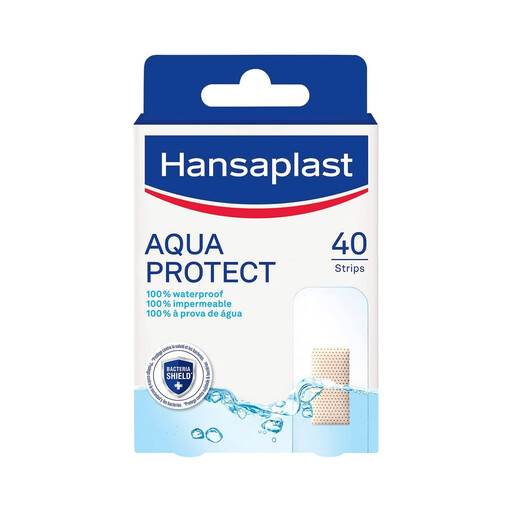
Why this choice suits this profile : This assortment of 40 plasters covers minor cuts, grazes and everyday needs for the whole family, with protection advertised as waterproof in the shower, bath and while swimming.
Its family-sized assortment avoids the need to buy multiple unsuitable sizes, while the waterproof protection claim sets it apart from a simple splash-resistant plaster.
40 plasters, protection advertised as 100 % waterproof and a wound pad designed to protect the wound while cushioning minor knocks.
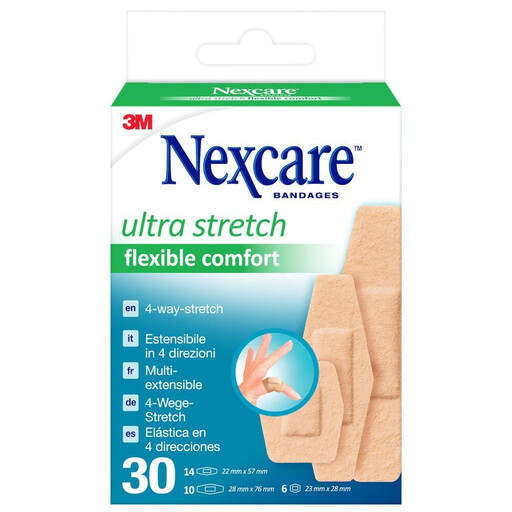
Why this choice suits this profile : This product is aimed at people who prioritise freedom of movement, particularly around knuckles, elbows and areas that are frequently under strain.
Its four-way stretch backing reduces the risk of a rigid plaster creasing or coming loose over a joint.
Design advertised with a 360° sealing edge, stretch material and no natural latex, according to the product information.
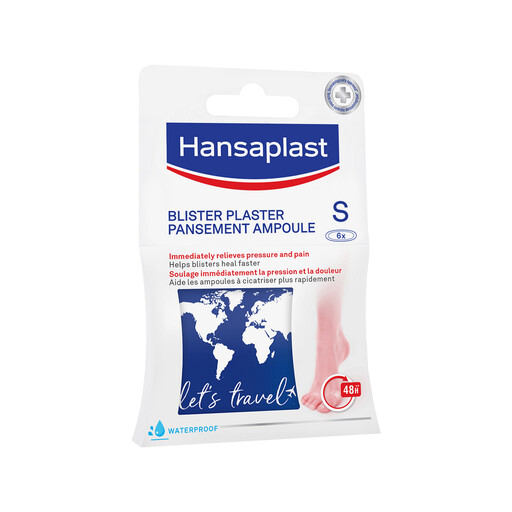
Why this choice suits this profile : The small size is suitable for foot blisters caused by friction, whether you are hiking, commuting every day or wearing new shoes.
Hydrocolloid technology is better suited to blisters than an all-purpose plaster, while the compact size avoids overly bulky protection.
6 plasters, protection advertised as water-resistant and possible wear for several days depending on how well the plaster stays in place.
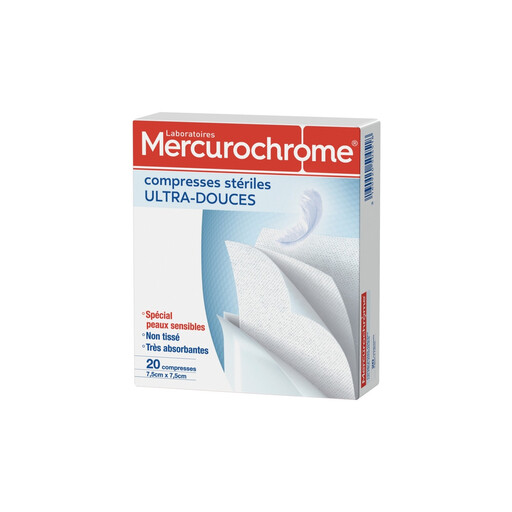
Why this choice suits this profile : These individually packaged sterile dressings are a useful addition to a first-aid kit intended for cleaning and protecting minor wounds.
Individual packaging makes it possible to check that each sachet is intact and avoids confusing a sterile dressing with a simple absorbent pad.
20 dressings measuring 7.5 × 7.5 cm, made from soft non-woven material and supplied in sachets of two.
We have put together a comprehensive selection, updated in real time, of products that meet these demanding criteria and European safety standards.
It depends on the type of plaster and the condition of the area being protected. A standard product should be replaced as soon as it becomes damp, dirty or loose. Some hydrocolloid blister plasters can remain in place for several days, in accordance with their instructions and provided they continue to adhere properly. Remove them at the first sign of irritation.
Choose a flexible, stretch or finger-specific product. A shape designed for knuckles reduces creasing and follows movement more effectively. To hold a sterile dressing in place, medical tape or an elasticated bandage can provide additional support, but do not wrap it so tightly that it affects circulation.
Plasters explicitly described as waterproof are designed to limit contact with water, but how well they stay in place depends on skin preparation, the area being protected and the intensity of movement. Replace them after prolonged immersion, if they begin to come loose or if water reaches the wound pad.