
Livraison le jour même ou le lendemain

Qualité garantie

Débloquez vos offres de bienvenue: Livraison GRATUITE | Jusqu'à -80 % | 30 jours d'essai gratuits à JoyPlus
Téléchargez l'application
Asian cuisine has won over our palates, and our curiosity about the drinks that accompany it is constantly growing. However, venturing into the jungle of Asian spirits can quickly become a daunting task. The gap between a delicately light Korean soju and an intensely potent Chinese baijiu is immense. The result: many buyers end up disappointed, their first experience soured by an unsuitable choice or improper tasting.
This guide is here to demystify the subject. We'll review the common pitfalls to avoid and give you the keys to buying an Asian spirit online that hits the mark, whether it's for a dinner party, a gift, or simply to quench your thirst for discovery.
Before you dive in, let's go over the two main hurdles that could spoil the experience:
To get a clearer picture, two essential criteria can help you decipher a bottle's character.
Every country has its flagship traditions and spirits. Understanding their true nature is the starting point for a successful purchase.
The alcohol percentage is an excellent indicator of a drink's intensity and the occasion for which it's suited.
To put theory into practice, here are a few bottles we recommend, each suited to a specific profile.
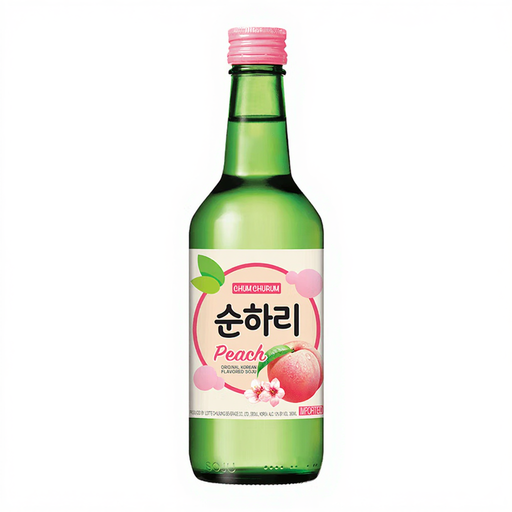
Why we love it: It's the perfect gateway into the world of Korean soju. Its sweet and fruity profile makes it very approachable, and its low alcohol content makes it an enjoyable drink, even for less accustomed palates.
No unpleasant surprises: the peach flavor is clearly stated. It doesn't pretend to be a complex sipping spirit but embraces its status as a fun and refreshing drink.
Its versatility. It can be drunk neat and chilled, but it also serves as an ultra-simple base for fruity cocktails.
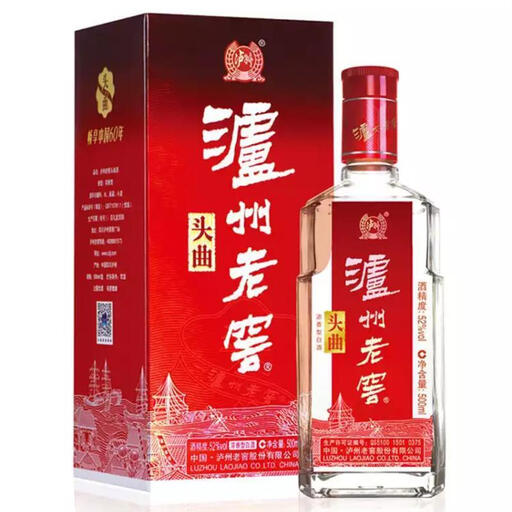
Why we love it: For those who want an authentic experience and a spirit with real substance. This "strong aroma" baijiu is a classic, perfect for special occasions, a meaningful gift (like for the Mid-Autumn Festival), or for seasoned connoisseurs.
You don't stumble upon this by accident. Its powerful aromatic profile isn't a flaw but its signature, sought after by enthusiasts. It's a deliberate choice for an audience that knows what it's looking for.
A heritage of over 400 years of craftsmanship. Its rich and complex aromas, with cellar notes, offer an impressively long finish.
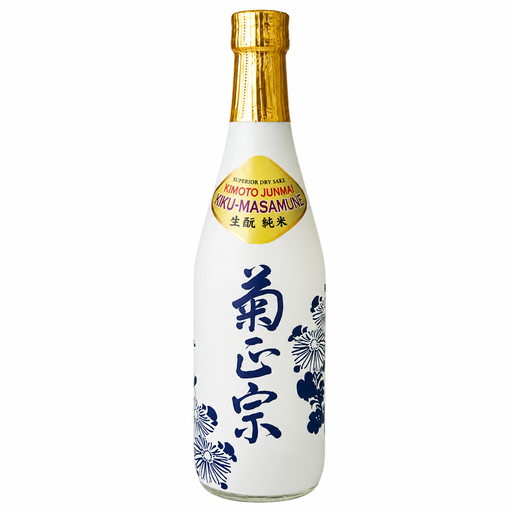
Why we love it: A Junmai sake (pure rice, no added alcohol) brewed using the ancestral Kimoto method, which gives it incredible body and depth. It's the ideal dining companion, equally at home with sushi as it is with simmered dishes.
Unlike an entry-level sake that can be a bit flat, its rich and dry profile has enough character to stand up to dishes and create a true food-and-sake pairing.
A deep and complex flavor, a result of the Kimoto method. It's equally good chilled, at room temperature, or even gently warmed, revealing different facets of its character.
Discover our full selection of products that meet our quality standards and current regulations.
Absolutely not. They are opposites in almost every way, starting with their production. Sake is brewed (fermented) from rice, like a premium beer, making it a rice wine. Soju is distilled from various starches like grains or tubers, similar to vodka. In short: sake offers a complex and nuanced aromatic profile, whereas soju is more direct, neutral, or fruity.
It all depends on the bottle. Strong spirits like baijiu can be stored for months at room temperature, tightly sealed and away from light. On the other hand, sake and makgeolli are more delicate: once opened, they should be refrigerated and consumed within a week to preserve their freshness. Soju is also best stored in the fridge.
Yes, but it's a high-wire act! Baijiu's overpowering aromatic profile can dominate any other ingredient. Mixologists love this challenge for creating bold cocktails. At home, start with a light hand: begin with a few drops and pair it with flavors that can stand up to it, such as grapefruit, yuzu, or ginger.
Alcohol abuse is dangerous for your health. Please drink responsibly. Consuming alcoholic beverages during pregnancy, even in small amounts, can have serious consequences for the child's health.