
Livraison le jour même ou le lendemain

Qualité garantie

Débloquez vos offres de bienvenue: Livraison GRATUITE | Jusqu'à -80 % | 30 jours d'essai gratuits à JoyPlus
Téléchargez l'application
Soju, the iconic Korean spirit, is increasingly becoming a staple at our happy hours and parties. Driven by the craze for Korean culture, it captivates with its smoothness and incredible variety of flavors. But with an exploding number of options, it's easy to make a misstep. Who hasn't bought a bottle that was too strong, thinking it would be fruity, or realized too late that buying in bulk would have been much smarter? This guide is designed to help you see clearly and find the soju that's truly right for you.
The excitement of discovery can quickly lead to purchases you'll regret. Here are the most common mistakes and, more importantly, how to avoid them.
Confusing "Original" and Flavored Soju: The classic beginner's mistake. A Korean soju labeled "Original" or "Fresh" has an alcohol content between 16% and 20%. Its taste is neutral and cleaner, ideal for pairing with a Korean barbecue or as a cocktail base. In contrast, a flavored soju (peach, strawberry, apple, etc.) is much milder, with an alcohol content around 12%. Forgetting to check this is a surefire way to end up with a drink that's the complete opposite of what you expected.
Misunderstanding the "Yogurt" Flavor:Yogurt soju is intriguing, and for good reason. Be aware, this isn't a creamy, dairy-based liqueur. Its taste is directly inspired by Asian probiotic drinks like Yakult, so expect a profile that is sweet, tangy, and very refreshing. It's a very popular flavor, but it's best to know what you're getting into to avoid disappointment.
Underestimating Bulk Purchases: Are you hosting a party? Buying bottles individually can quickly drive up the bill. Many brands offer a soju pack of 20 bottles, with a much more attractive price per litre. Remember to anticipate your needs to optimize your budget, especially if you plan on making soju cocktails for many guests.
To be sure of your choice, there are two parameters to watch closely.
The alcohol percentage is the first clue to the character of the soju in your hands.
Soju comes in a surprising palette of flavors.
Rather than a simple list, here are our targeted recommendations to help you find the perfect bottle for your profile.
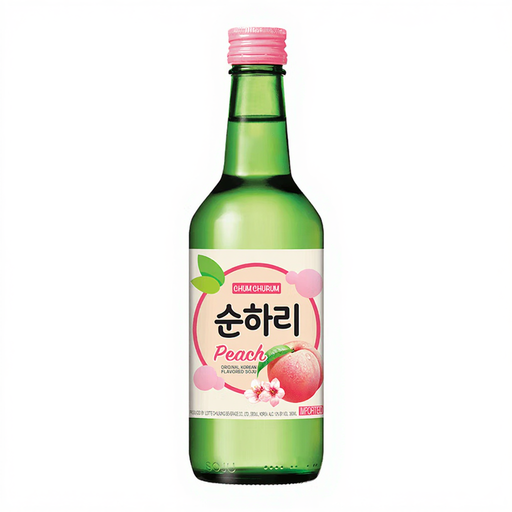
Why we recommend it: Ideal for a first tasting. The peach flavor is one of the most popular and beloved. Smooth, sweet, and with no bitterness, it perfectly represents the world of flavored soju.
With its 12% alcohol and clearly stated peach flavor, it eliminates any risk of confusion with a stronger, neutral original soju.
A fruity and refreshing taste that's very approachable. Perfect for drinking as is, nicely chilled.
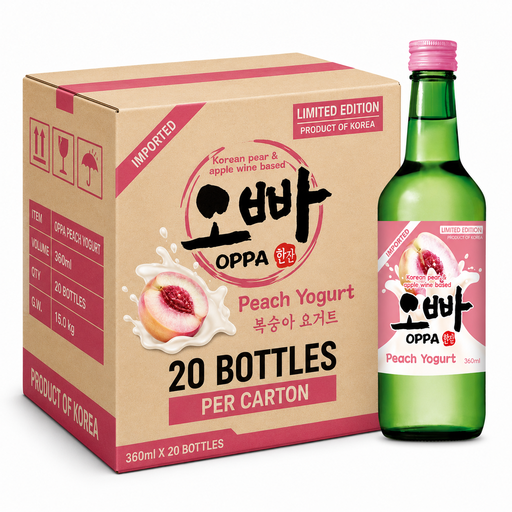
Why we recommend it: For those who entertain, this 20-bottle pack is the perfect economical and social solution. The peach-yogurt flavor is original and will please most guests with its sweetness and freshness.
This soju pack offers significant savings compared to buying single bottles, avoiding the trap of a party budget that gets out of hand.
Economical format ideal for groups and a unique peach-yogurt flavor to surprise your guests.
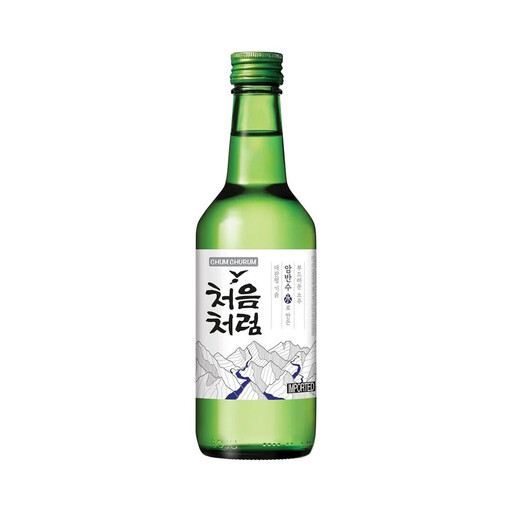
Why we recommend it: For those who want a more traditional experience, far from overly sweet flavors. This soju is closer to what is consumed daily in Korea.
Its 16.5% alcohol content and "Original" name clearly indicate that this is not a flavored soju, preventing disappointment for those looking for a true spirit.
Clean and pure taste, very versatile. It is excellent with a meal or as a base for a homemade soju cocktail.
We've curated a complete selection of products that meet our quality standards.
Traditionally, it's served very chilled, in small shot glasses, to be drunk in one go. Flavored soju is delicious as is. Original soju can also be mixed with beer (a cocktail called Somaek), fruit juice, or sodas to create simple and refreshing cocktails.
This is a common point of confusion. Soju is a Korean distilled spirit, traditionally made from rice, but today often produced from sweet potato, barley, or tapioca. Sake is a Japanese fermented (brewed) rice wine, with a production process closer to that of beer. Soju generally has a more neutral taste and a more variable alcohol content than sake.
Once opened, a bottle of soju should be stored in the refrigerator. Thanks to its alcohol content, it doesn't spoil quickly. However, to best preserve its flavors, especially for the flavored versions, it's recommended to finish it within a few weeks of opening to avoid any loss of aroma.
Alcohol abuse is dangerous for your health, please drink responsibly. The consumption of alcoholic beverages during pregnancy, even in small quantities, can have serious consequences for the child's health.