
Same-day & Next-day Delivery

Quality Guaranteed

Unlock Your Welcome Offers: FREE Delivery | Up to 80% OFF | Free 30-day JoyPlus trial
Download the APP
Brought into the spotlight by K-dramas and the Hallyu cultural wave, soju has become a go-to choice for pre-dinner drinks. Recognisable by its iconic little green bottle, this Korean spirit wins fans with its versatility. But with a rapidly expanding online selection, the risk of picking a disappointing bottle is very real. A few rookie mistakes—like an unexpected flavour or a surprising alcohol content—can quickly ruin the experience.
Before you buy soju online, here are the two main pitfalls to avoid to make the right choice on your first try?:
To help you navigate the options, two main criteria can help you decode a bottle and know what to expect from your tasting experience.
The alcohol by volume (ABV) is your first clue. It immediately tells you what type of soju you're dealing with. We can break it down into two main categories?:
Historically, soju was distilled from rice. Today, for cost reasons, most mass-market sojus are produced from other starches like sweet potato, barley, or tapioca. This base directly impacts the smoothness and subtlety of the final product.
The most popular brands, like Chum Churum, rely on advanced filtration processes to achieve a very clean taste—a perfect canvas for fruit flavours to shine. When choosing a flavoured soju, the easiest way is to trust your personal taste. Fruit flavours (peach, apple, grape) are safe bets, while options like yoghurt promise a more unique and creamy experience.
Instead of a rigid ranking, here is our selection of bottles matched to different types of drinkers. This should help you find the soju that's right for you.
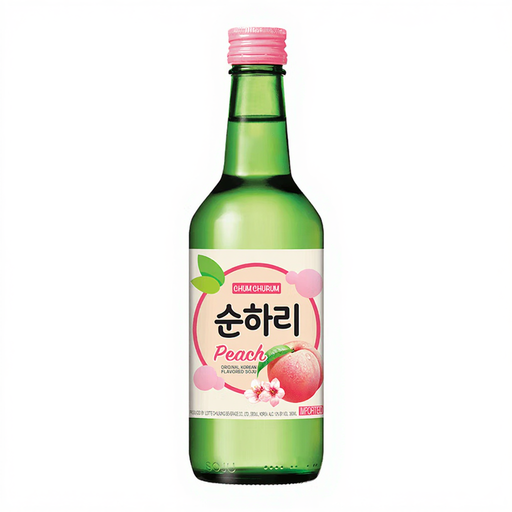
Why this one? Perfect for getting started, this soju combines the smoothness of a light spirit (12%) with the aroma of peach, one of the most popular and crowd-pleasing flavours. It's the ideal introduction, without the risk of an overpowering or off-putting taste.
It avoids the shock of a harsh "original" soju. Its fruity profile and low alcohol content perfectly match the smooth, approachable image people have when first discovering the drink.
A universally liked flavour from a trusted brand (Chum Churum). It's the safe choice for a risk-free introduction to flavoured soju.
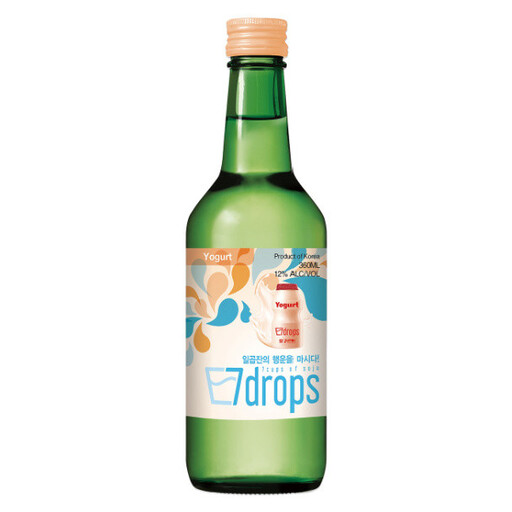
Why this one? The yoghurt flavour is as iconic as it is surprising. It offers a creamy texture and a tangy taste that works wonders in cocktails or simply over ice. It's the perfect bottle to spice up a party and introduce guests to something truly unique.
It breaks away from the usual fruit flavours. Its uniqueness makes it a great conversation starter and a creative cocktail base, a far cry from the image of a simple sweet liqueur.
A unique and memorable flavour profile. Its smooth texture and taste, reminiscent of fermented milk drinks, make it a highly versatile option for fun mixology experiments.
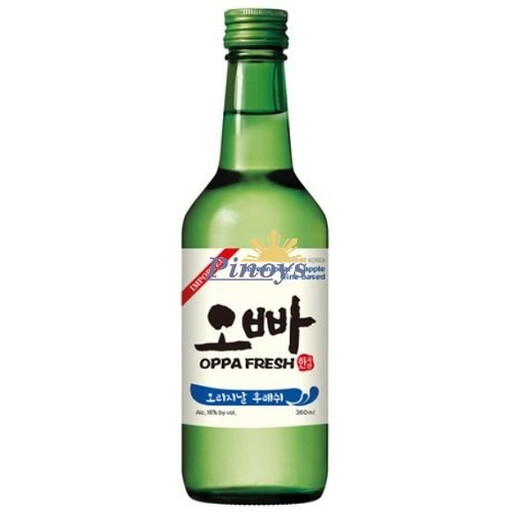
Why this one? For those who have already explored fruit sojus and are looking for an experience closer to Korean tradition. With its 16% alcohol, it offers a cleaner, less sweet taste, while remaining approachable and balanced thanks to its apple and pear cider base.
It's the perfect transition. It's not as sweet as a fruit soju, nor as harsh as a classic 20% soju, allowing you to gently ease into a more authentic profile.
A crisp, refreshing taste. Its gluten-free composition and distillation from fruit wine give it a very clean finish, making it ideal for pairing with a meal without overwhelming the palate.
We've curated a complete, up-to-date selection of products that meet our quality standards and all current regulations.
It all depends on the type of soju!
Although they are often confused, these two Asian alcoholic drinks are very different. Soju is a Korean distilled spirit with a fairly neutral taste, and its alcohol content ranges from 12% to over 20%. Sake, on the other hand, is a Japanese fermented rice wine (made through a brewing process). Its flavour is more complex, with fruity or cereal notes, and its alcohol content is typically between 14% and 16%.
An unopened bottle of soju can be stored for several years in a cool, dark place. Once opened, simply reseal it tightly with its cap and keep it in the refrigerator. Unlike wine, soju doesn't oxidize quickly due to its higher alcohol content. However, it's best to finish it within a few weeks of opening to enjoy its full freshness, especially if it's a flavoured version.
Alcohol abuse is dangerous for your health. Please drink responsibly. Consuming alcoholic beverages during pregnancy, even in small quantities, can have serious consequences for the child's health.