
Livraison le jour même ou le lendemain

Qualité garantie

Débloquez vos offres de bienvenue: Livraison GRATUITE | Jusqu'à -80 % | 30 jours d'essai gratuits à JoyPlus
Téléchargez l'application
Asian alcoholic drinks are prized for their origins, their sometimes surprising formats and the diversity of their flavour profiles. But a pretty label alone isn’t enough to make the right choice. Whether it’s a light drink best served very chilled, a spirit at 50% ABV or a fruity liqueur designed for cocktails, the uses are completely different.
This selection is aimed at adults of legal drinking age living in France who want to buy Japanese sake, Korean soju, Japanese umeshu, Chinese baijiu, Shaoxing wine or ready-to-drink cocktails, without any nasty surprises.
The word “sake” is sometimes used very loosely in product descriptions. However, Japanese sake is a fermented rice-based drink, whereas Japanese shochu is a distilled spirit. Kurokirishima, for example, is labelled as a “sake” in its product title, yet its description clearly states it is a distilled sweet potato shochu at 25% ABV.
So before you order, always check the type of drink, the alcohol percentage and how it is produced.
Peach, plum, lychee, tea or citrus can make a drink more approachable, but they don’t tell you much about its sweetness level, intensity or texture. A flavoured soju and a Japanese umeshu may both have a fruity profile, but they are not enjoyed in the same way.
The ingredients list, the volume and the serving suggestions are often more revealing than just the flavour highlighted on the label.
A 330 or 350 ml can is ideal for immediate consumption, whereas a 500 or 700 ml bottle is better suited to a meal, a tasting session or making several cocktails. Once opened, drinks generally need to be consumed quickly and stored according to the instructions on the packaging.
For imported products, also remember to check for information about the importer, allergens and regulatory warnings.
The percentage shown as % ABV lets you compare different products on a concrete basis. A ready-to-drink cocktail at 3% or a sparkling sake at 5.5% ABV is not consumed in the same way as a baijiu at 50 or 52% ABV.
To help you navigate:
Volume matters just as much: 300 ml, 350 ml, 500 ml and 70 cl are not suited to the same occasions.
Flavoured Korean soju is drunk chilled or can be used as a base for a cocktail. Japanese umeshu often strikes a balance between sweetness and acidity, and can be enjoyed on the rocks. Shaoxing wine is typically served at room temperature, following the instructions on each product.
For sake, the label may recommend serving it chilled. Hakutsuru Awa Yuki, for example, is 5.5% ABV and comes in a 300 ml bottle. Its fizz makes it ideal as an aperitif or with light dishes.
Some Chinese rice wines contain wheat and therefore gluten. This is explicitly stated for several Shaoxing wine and baijiu products. Anyone affected should read the full label carefully before purchasing.
For flavoured drinks, also check for the presence of syrup, sweeteners, flavourings or fruit juices. As recipes can change, the packaging you receive remains the definitive source.
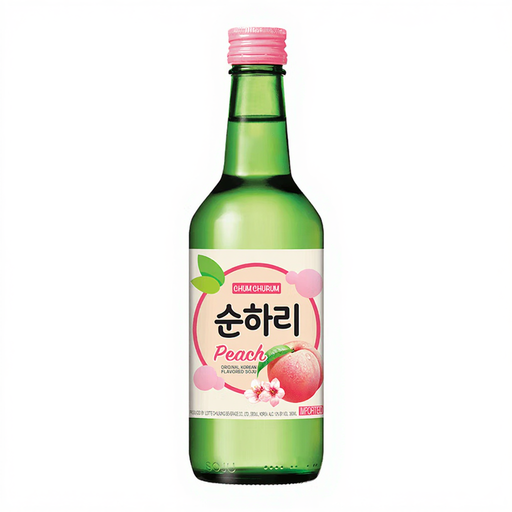
Why this choice suits this profile: At 350 ml and 12% ABV, this bottle lets you discover Korean soju without starting with a very high-alcohol spirit. It is served chilled, neat or in a cocktail.
The alcohol content and volume are clearly stated. The peach flavour comes with an ingredients list to check – the choice isn’t based solely on the visuals.
12% ABV, 350 ml, origin Republic of Korea, and can be served chilled, neat or in a cocktail.
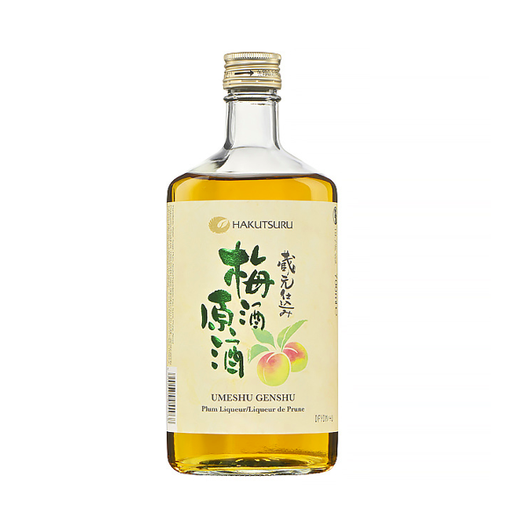
Why this choice suits this profile: This Asian liqueur showcases Japanese ume plums, with a fruity profile that is both sweet and tangy. It is enjoyed on the rocks or used to make cocktails.
The 19.70% ABV and 70 cl format are clearly stated. This helps you anticipate its intensity and how many servings you can get.
Japanese origin, notes of plum and apricot, enjoyed on the rocks or in cocktails.
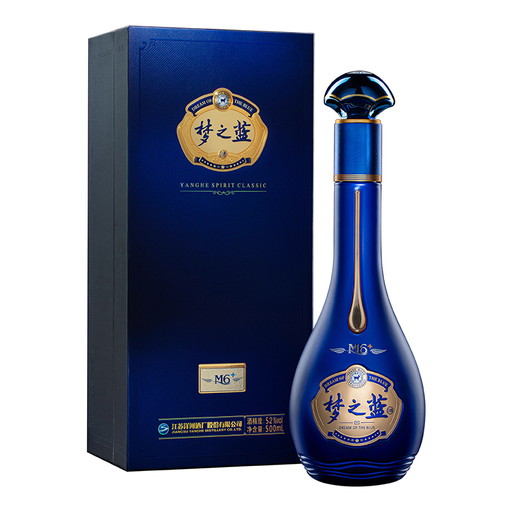
Why this choice suits this profile: This Chinese baijiu is aimed at lovers of powerful spirits, as well as those buying for occasional tasting or as a gift. At 52% ABV, it calls for measured consumption.
The high ABV is stated on the product page, along with the 500 ml volume and the grain-based ingredients. The choice is therefore not based solely on the presentation.
52% ABV, 500 ml, Chinese origin and recommended serving at room temperature.
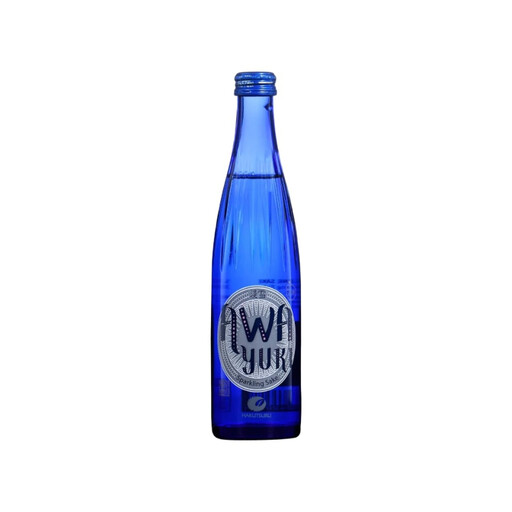
Why this choice suits this profile: Its moderate alcohol content, individual format and fine bubbles make it a great option for a chilled aperitif, especially with light bites or sushi.
The 300 ml format and 5.5% ABV are clearly stated. They help distinguish this sparkling sake from a distilled Japanese spirit.
5.5% ABV, 300 ml, Japanese origin and recommended serving well chilled.
We have compiled a comprehensive, real-time updated list of products that meet these strict selection criteria and the requirements of European safety regulations.
A flavoured Korean soju at 12% ABV or a sparkling sake at 5.5% ABV offers a gentler introduction than a baijiu at over 50% ABV. It all depends on your preferences: fruity, dry, fizzy or more full-bodied.
That depends on the product. The manufacturer’s instructions should always be followed. Hakutsuru Awa Yuki is presented as a drink to be served well chilled. Other sakes are enjoyed at room temperature or slightly warmed.
Before opening, store it in a cool, dry place away from direct light. After opening, seal the bottle carefully and follow the instructions on the label. Canned cocktails should be kept in the fridge after opening and consumed quickly.
All these products are intended for adults of legal drinking age. Alcohol should be consumed in moderation. Its consumption is not recommended during pregnancy or breastfeeding. The warnings on the packaging must be observed.