
Livraison le jour même ou le lendemain

Qualité garantie

Débloquez vos offres de bienvenue: Livraison GRATUITE | Jusqu'à -80 % | 30 jours d'essai gratuits à JoyPlus
Téléchargez l'application
A well-organised kitchen and an effective fight against food waste often rely on one simple item: the airtight food storage container. However, with the overwhelming number of models available, it's easy to get lost and end up regretting your purchase. Lids that warp, stubborn tomato sauce stains, a seal that fails... these issues are far from trivial.
As the Head of Product Recommendations at Joybuy, I'm here to demystify the market for you. This guide gets straight to the point: giving you the keys to making the right choice by helping you avoid marketing traps and design flaws that turn a good idea into a nightmare after just a few months.
To avoid throwing your money away, keep the most common disappointments in mind.
For food storage that is both safe and long-lasting, three points must be scrutinised.
A container's airtightness doesn't depend on the number of clips, but on the combination of two elements: a robust lock and an effective gasket.
Each option has its strengths and weaknesses. Your choice will depend on how you plan to use it.
A functional kitchen is, above all, a well-organised one. How your containers fit into your cupboards is therefore an essential point.
Rather than an exhaustive list, here are models that meet specific needs, in line with the selection criteria we've just discussed.
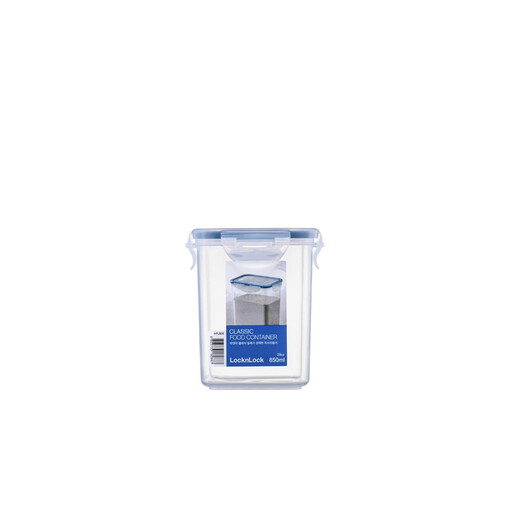
Why this model? It's the ultimate multi-purpose container, perfect for dinner leftovers, a lunchtime salad, or meal prep. Its rectangular shape and stackable design are key advantages for optimising fridge space.
Its 4-clip locking system and silicone gasket, a signature of the LocknLock brand, bypass the "false airtight" trap. The quality polypropylene does not warp.
The manufacturer guarantees it is 100% airtight and liquid-tight. Its stackable design is a real bonus for storage.
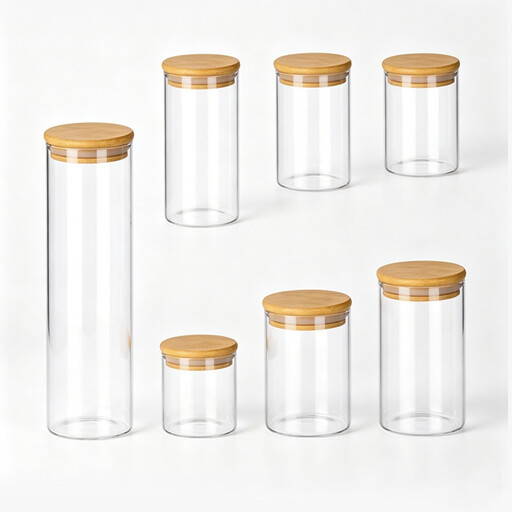
Why this set? Ideal for organising your pantry with style. This set of storage jars is perfect for pasta, rice, flour, or legumes, adding a welcome decorative touch with its wood-effect lids.
The glass body, a supremely healthy and stable material, won't degrade or retain odours, which avoids the trap of premature wear. The airtight lid provides effective protection from moisture.
The airtight glass jar allows you to identify the contents and remaining quantity at a glance. The set of 7 different sizes ensures excellent versatility.
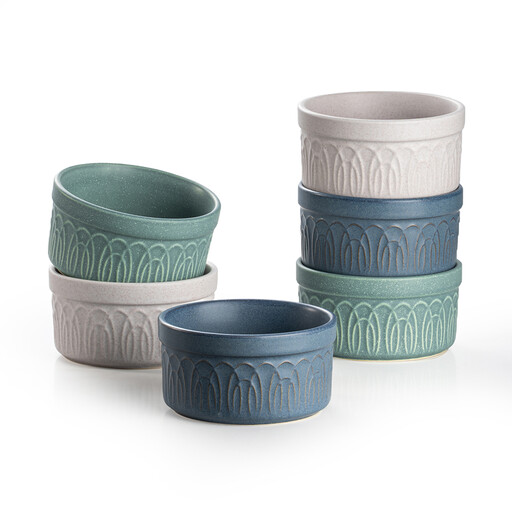
Why these ramekins? For fans of single servings, from crème br?lée to mini gratins. These ramekins go from the oven to the table, then to the fridge to store leftovers thanks to their lids.
It sidesteps the practicality trap by offering a 3-in-1 solution: cooking, serving, and storing. The quality ceramic is designed to last and withstand heat.
Its total versatility: it's oven, microwave, freezer, and dishwasher safe. Its elegant design ensures an impeccable presentation at the table.
We've put together a complete selection of food storage containers that meet our quality criteria and food safety standards.
Inspect the lid closely. The presence of a soft silicone seal and a multi-clip locking system (ideally, four) is the best indicator. If the lid just sits on top or clips on simply, with no apparent gasket, be wary: the seal will be insufficient for liquids and long-term storage.
Absolutely not! You must check for the "microwave-safe" symbol (often represented by waves). Also, make sure the plastic is guaranteed BPA-free. As a precaution, it's always recommended to reheat food by simply placing the lid on the container without clipping it shut, allowing steam to escape.
For a perfect clean, gently remove the gasket from the lid. Wash it by hand with soapy water or place it in the top rack of the dishwasher. The anti-mould trick? Let it air dry completely before putting it back. This prevents moisture from getting trapped, thus avoiding any nasty surprises.