
Livraison le jour même ou le lendemain

Qualité garantie

Débloquez vos offres de bienvenue: Livraison GRATUITE | Jusqu'à -80 % | 30 jours d'essai gratuits à JoyPlus
Téléchargez l'application
A well-organised kitchen and food that stays fresh longer: the promise of a good food storage container is certainly appealing. Yet, we've all experienced the frustration of a warped lid, a sauce leaking into a bag, or plastic that absorbs the smell of yesterday's meal. Choosing the right container can quickly turn into a headache. To prevent this practical purchase from becoming a daily regret, here are the common pitfalls to be aware of.
To make the right choice, ignore the marketing hype and focus on the few technical criteria that truly make a difference in your daily routine.
Rather than trusting the promises on the packaging, let's examine three fundamental aspects that determine the quality and durability of a food storage container.
The choice of material has a direct impact on the use, hygiene, and longevity of your containers.
A worthy airtight container needs more than just a simple snap-on lid. The most reliable system relies on a winning combination:
This type of closure is essential for transporting saucy dishes or preserving the freshness of moisture-sensitive foods.
Containers that stack and nest perfectly are key to optimising space in your cupboards, refrigerator, and freezer. Square or rectangular shapes are generally more efficient than round ones for maximising storage. Some manufacturers offer modular ranges where containers of different sizes share the same base dimensions for stable and orderly stacking.
Rather than a one-size-fits-all solution, the right choice depends on your lifestyle. Here are a few profiles and the options that might suit them.
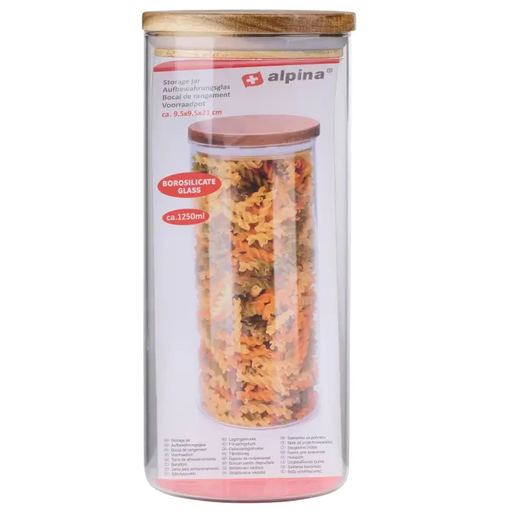
Why we chose it: For those who dream of a Pinterest-worthy pantry that is as functional as it is beautiful. This jar with a wooden lid is perfect for elegantly displaying dry foods (pasta, rice, legumes) while protecting them from moisture.
It doesn't fall into the trap of false versatility. Its purpose is clear: the aesthetic storage of dry goods. The seal integrated into the acacia wood lid is designed specifically for this use.
Transparent glass body to identify contents at a glance. Square shape for perfect stacking and alignment on shelves.
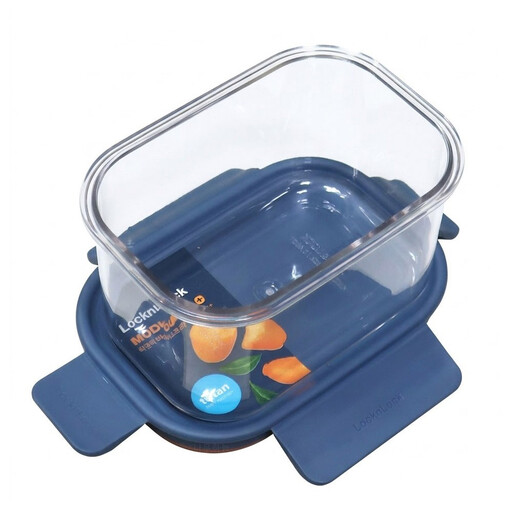
Why we chose it: The perfect ally for meal prep enthusiasts who take their lunch to the office. This lunch box is lightweight, compact, and designed to be completely leak-proof, even when shaken in a bag.
It shatters the myth of fake airtightness. The four-sided locking mechanism and hollow silicone seal ensure a 100% leak-proof performance, validated by the manufacturer Lock&Lock.
BPA-free plastic, safe for microwave (without lid), freezer, and dishwasher. Modular design for perfect stacking with other containers in the range.

Why we chose it: An all-in-one, ultra-versatile solution for managing leftovers, storing ingredients, or prepping meals for the week. The borosilicate glass guarantees hygiene and durability.
It avoids the trap of value sets filled with useless sizes. This set focuses on two genuinely practical sizes (370 ml and 1040 ml), with five of each. No wasted space.
Heat-resistant borosilicate glass, safe for the oven (without lid) and microwave. Airtight lids with locking tabs for secure storage in the fridge and freezer.
Discover our full selection of food containers that meet our quality criteria and the strictest safety standards.
To preserve the beauty and seal of a jar with a wooden lid, hand-washing is essential. Never submerge the lid in water or put it in the dishwasher, as the wood could warp or crack. Clean it with a damp cloth and dry it immediately. The glass container itself can usually go in the dishwasher.
The BPA-free (Bisphenol A) label indicates that the plastic does not contain this chemical compound, which has been the subject of health concerns. Plastics like polypropylene (PP) or Tritan are considered safe alternatives for food contact by European regulatory authorities. However, it is still recommended not to overheat food in plastic containers and to discard any container showing signs of advanced wear (deep scratches, discolouration).
Yes, as long as you follow a few golden rules. Use borosilicate glass, which is more resistant to thermal shock. Most importantly, never fill the jar to the brim. Always leave some empty space (at least 2 to 3 cm) at the top. As food freezes, it expands; this safety gap is crucial to prevent the glass from cracking under pressure.