
Livraison le jour même ou le lendemain

Qualité garantie

Débloquez vos offres de bienvenue: Livraison GRATUITE | Jusqu'à -80 % | 30 jours d'essai gratuits à JoyPlus
Téléchargez l'application
A box of plasters seems easy enough to pick… until the adhesive peels off in the shower, the pad sticks to the wound, or the standard size gets in the way of a finger’s movement. Whether you’re a family, a sportsperson, a hiker, or someone with sensitive skin, the right choice really depends on what you need it for.
Before buying Mercurochrome plasters, three common pitfalls keep cropping up:
Here are the key criteria to weigh up when comparing your options, so you can avoid a purchase that doesn’t quite fit the bill.
Waterproof plasters, also labelled as waterproof, generally have a backing that limits water and external contaminants getting in. They’re particularly suitable for minor wounds that might be exposed during washing, showering, or certain outdoor activities.
Bear in mind, though: the term “waterproof” doesn’t guarantee the plaster will stay put in every situation. To get the best protection:
For a superficial everyday cut, a water-resistant, micro-aerated plaster may be enough. For a larger wound or stitches, a sterile plaster 10 × 7 cm, with adhesive on all four sides, offers more coverage – provided you follow the instructions on the packaging.
Finger plasters need to bend with you without creating awkward creases. For a fingertip, an ergonomic design is usually far more practical than a rectangular plaster hastily cut to size.
For the knee, elbow, or any area prone to friction, go for a stretchy backing. Cut-to-size options let you cover wounds of different dimensions, but make sure you leave enough margin around the injury so the adhesive can grip clean, dry skin.
Plasters for minor wounds are ideal for superficial cuts, grazes, and small blisters. They are not a substitute for medical advice in the case of a deep wound, an animal bite, a serious burn, or an injury showing signs of infection.
If your skin is fragile or prone to reactions, look for terms like sensitive skin, hypoallergenic, natural latex-free, or ultra-soft non-woven material. The term “hypoallergenic” means the product is designed to reduce the risk of an allergic reaction, but it doesn’t guarantee no reaction at all for every user.
A non-stick pad makes removal easier, as it’s less likely to cling to the wound. Individually wrapped sterile pads are handy for cleaning or covering an injury before securing it with medical tape. Always check the sachet is intact and use the pad straight after opening.
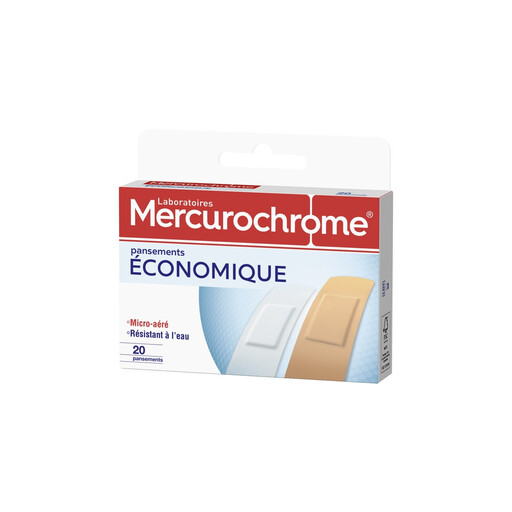
Why this suits this profile: With 20 plasters, this box fits neatly into a family first-aid kit and covers everyday cuts, grazes, and minor mishaps. Its water-resistant, micro-aerated backing meets common needs without having to stock multiple types.
It doesn’t rely just on a high piece count: its water resistance and micro-aeration are clearly stated for minor everyday injuries.
20 plasters; flexible backing; micro-aerated material; designed for superficial cuts and grazes.
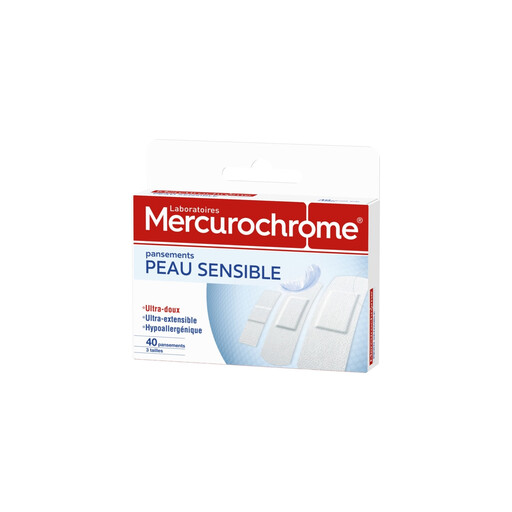
Why this suits this profile: Those who are especially mindful of skin comfort benefit from three sizes and a stretchy, breathable, ultra-soft fabric. The box is well suited to regular use around the home.
The hypoallergenic claim is backed by an ultra-soft non-woven material and a stretchy design. Still, stop using it at the first sign of irritation.
40 plasters; 12 small, 18 medium and 10 large sizes; stretchy and breathable backing; adhesive described as hypoallergenic.
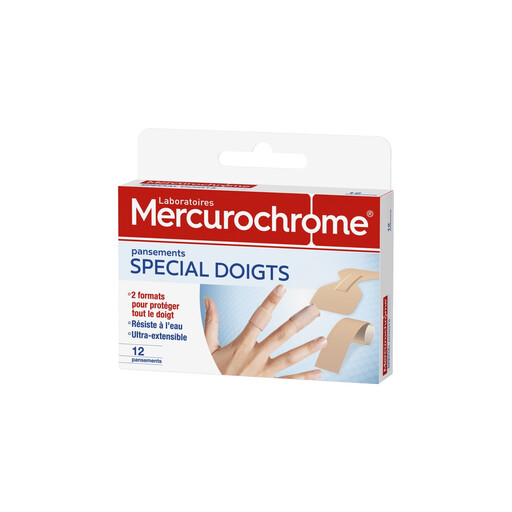
Why this suits this profile: People who use their hands a lot — athletes, DIYers, or manual workers — benefit from a shape designed for fingers and highly mobile areas.
Its ergonomic shape stops you having to awkwardly position a standard plaster on a finger. The ultra-stretchy backing is designed to move with you.
12 plasters in two sizes; water-resistant and micro-aerated backing; shape suited to fingertips and small blisters.
We’ve put together a full list, updated in real time, of products that meet these demanding selection criteria and European safety standards.
If you notice persistent redness, increasing pain, discharge, or a wound that is taking an unusually long time to heal, seek advice from a healthcare professional. The product packaging remains the definitive guide for usage precautions, expiry date, and batch number.
It depends on the product and the condition of the plaster. Replace it when it’s damp, dirty, or peeling off, or at the frequency recommended by the manufacturer. A water-resistant plaster shouldn’t be kept on indefinitely after immersion or prolonged activity.
Look for an ultra-soft, micro-aerated material, ideally natural latex-free where this is stated, along with an adhesive described as hypoallergenic. Try it cautiously and remove the product immediately if you experience itching, redness, or irritation. Sterile pads can be used with a suitable medical tape if the size you need isn’t available as a pre-cut plaster.
Some models feature fun designs and come in several sizes. However, always check the minimum age stated on the packaging, as well as whether latex is present in the protective sachet. Children’s plasters should be kept out of reach of very young children and used only on minor superficial wounds.