
Livraison le jour même ou le lendemain

Qualité garantie

Débloquez vos offres de bienvenue: Livraison GRATUITE | Jusqu'à -80 % | 30 jours d'essai gratuits à JoyPlus
Téléchargez l'application
A cut finger in the shower, a blister after a hike or a graze during a workout can quickly make a standard plaster uncomfortable. Waterproof plasters and water-resistant plasters are designed for these situations, provided you choose the right format and apply them correctly.
However, some product descriptions can be confusing. Here are the main pitfalls to avoid before you buy.
A water-resistant plaster will generally withstand a few splashes or a quick hand wash. That does not mean it is suitable for prolonged immersion, swimming pools or the sea. For plasters for swimming and showering, check the manufacturer’s instructions and make sure the adhesive properly covers the entire edge of the dressing.
A standard rectangular plaster rarely stays firmly in place on a joint, finger or heel. Repeated movement can cause creases and loosen the ends. Finger plasters, heel-specific formats and flexible designs follow the contours of these particularly hard-working areas more effectively.
Strong adhesion can be useful during physical activity, but it is not necessarily suitable for delicate skin or frequent changes. Micro-aerated backing materials, soft non-woven fabrics and non-stick dressings provide greater comfort. Also check the warnings relating to latex and the risk of skin irritation.
For a small cut or graze, look for an explicit description such as waterproof, watertight or water-resistant, depending on the level of exposure expected. A plaster designed for showering is not necessarily intended to stay in place during outdoor activities.
Transparent and ultra-thin plasters are discreet, while a more covering design may be preferable on an area exposed to a lot of rubbing. In all cases, clean the skin around the wound and dry it thoroughly before applying the plaster.
A micro-aerated backing allows more air to circulate around the skin than a completely occlusive film. This can provide a more comfortable feel when worn for longer periods, although it does not make the plaster a universal solution.
For children, choose a format that is easy to apply and has a dressing that will not stick to the wound. Some children’s plasters feature printed designs, but check whether the protective sachet contains latex.
Check the size of the dressing and the adhesive area. For a larger area, a sterile plaster measuring 10 cm × 7 cm will often be more suitable than a small pre-cut design. In the case of a blister, a hydrocolloid plaster should cover the affected area generously to reduce rubbing around the edges.
Replace a plaster as soon as it becomes damp, dirty or starts to come away, unless the manufacturer states otherwise. Even designs advertised as suitable for extended wear require regular monitoring of the skin.
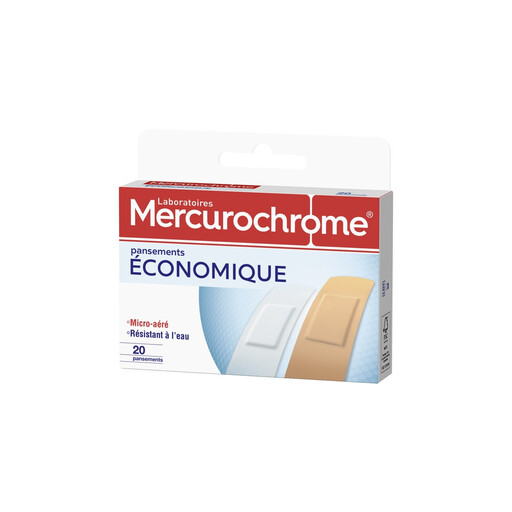
Why this choice suits this profile : This pack of 20 plasters is suitable for small cuts, grazes and everyday superficial wounds. Its flexible, micro-aerated backing provides a comfortable fit.
Its water resistance is combined with a flexible, micro-aerated texture, without promising universal protection against every type of immersion.
20 plasters, flexible backing, micro-aerated design and suitability for small superficial everyday wounds.
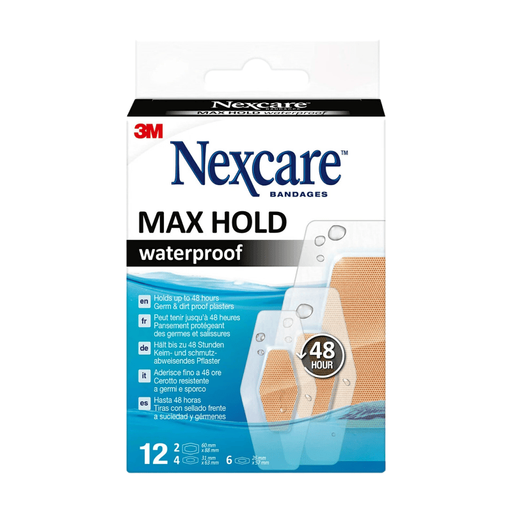
Why this choice suits this profile : This pack includes several sizes for active people who go from hiking to DIY, sport or travelling.
The available information states that it can remain in place for up to 48 hours, while specifying that the product is not suitable for delicate skin.
12 assorted-size plasters, advertised long-lasting adhesion and protection against water, dirt and germs.
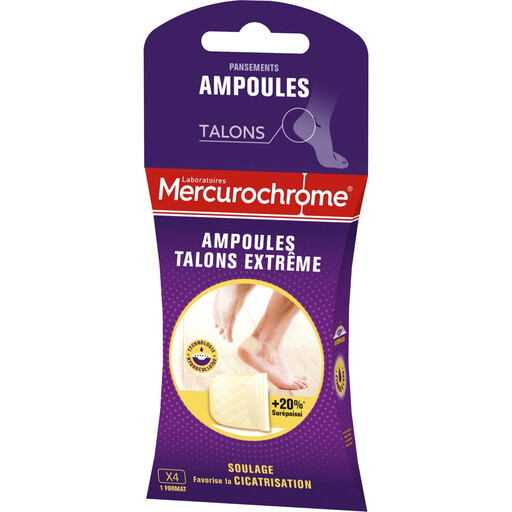
Why this choice suits this profile : This format is designed for heel and sole blisters, particularly during hiking, sport or when wearing rigid footwear.
Its dedicated shape avoids applying a universal plaster to an area that is heavily used and particularly exposed to rubbing.
Hydrocolloid technology, tapered edges, thicker cushioning mesh and water resistance.
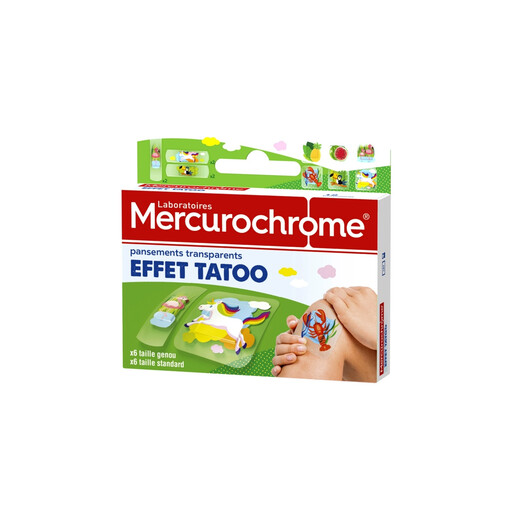
Why this choice suits this profile : The two included formats are suitable for children’s small cuts and grazes. The printed designs may also make it easier for children to accept wearing a plaster.
The two sizes help you avoid choosing a design that is too large or too small. For children with sensitive skin, however, check whether the protective sachet contains latex.
12 plasters, transparent water-resistant backing, non-stick dressing and formats for knees and small everyday wounds.
We have put together a complete, real-time updated selection of products that meet these exacting criteria and European safety regulations.
For a blister, apply the hydrocolloid plaster to clean, dry skin. Depending on the manufacturer’s recommendations, it may remain in place for several days. However, remove it if the edges start to lift or irritation appears.
Deep or infected wounds, very painful injuries, bites and heavy bleeding require medical advice. People with diabetes or circulation problems should also seek advice before using certain blister plasters.
It depends on the model. Some are designed for showering, bathing or swimming, while others are only resistant to splashes. Always check the packaging and change the plaster after immersion if it has come away, if moisture has seeped underneath or if it is dirty.
A standard plaster should generally be changed every day, or as soon as it becomes damp or dirty. Some long-lasting designs claim to stay in place for up to 48 hours. This duration varies depending on the adhesive, the area of the body and the condition of the skin.
A hydrocolloid heel plaster offers a shape and thickness suited to rubbing from footwear. For a blister on a finger or toe, choose a dedicated format or an assortment offering several sizes.