
Livraison le jour même ou le lendemain

Qualité garantie

Débloquez vos offres de bienvenue: Livraison GRATUITE | Jusqu'à -80 % | 30 jours d'essai gratuits à JoyPlus
Téléchargez l'application
Finding the perfect duvet can often feel like a daunting task. Between marketing promises and confusing technical specs, it's easy to make the wrong choice. The 4-seasons duvet is often touted as a miracle solution, but beware of common misconceptions! A poor choice can quickly take a toll on your comfort... and your wallet.
Our mission: to help you navigate the options. Let's break down the mistakes to avoid and the criteria that truly matter for a successful purchase.
Before you commit, be wary of these two common traps, which are the source of much disappointment:
To ensure you make the right choice, focus on these three essential points.
This is the heart of the duvet, determining its warmth, weight, and breathability.
The fill weight (weight of the filling per m?) should always be considered in relation to the filling type and the season:
A good 4-seasons system combines a ~200 g/m? duvet with a ~300 g/m? one. Once joined, they provide 500 g/m? of protection, perfect for winter.
To avoid cold draughts and nightly battles over the covers, the duvet should hang over the sides of the bed by 20 to 40 cm on each side.
Rather than aiming for a one-size-fits-all model, it's better to choose a duvet that perfectly meets a specific need. Here are a few options we've selected.
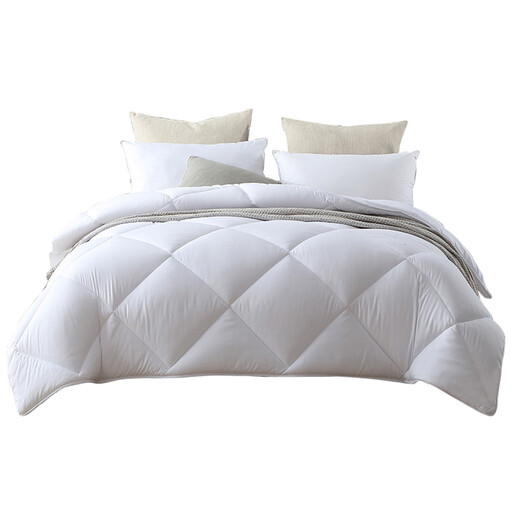
Why we recommend it: This synthetic duvet gets straight to the point: a simple, effective solution for those seeking versatility without the fuss. Its hypoallergenic nature and easy-care washing make it a practical choice for everyday use.
It doesn't claim to be a miracle solution for extreme temperatures, but rather a balanced option for rooms kept at a moderate temperature. This avoids the trap of a disappointing compromise.
Easy to care for (machine-washable duvet) and hypoallergenic, it offers excellent value and convenience.
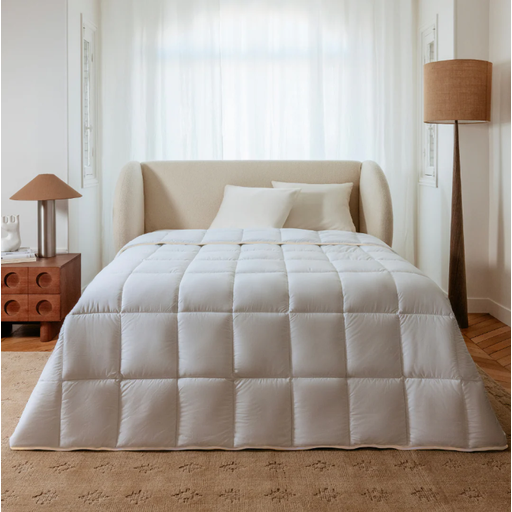
Why we recommend it: For lovers of authentic comfort who prioritise thermoregulation and the luxurious feel of a natural filling. Perfect for those who feel the cold or for cooler bedrooms, it provides enveloping warmth without ever feeling stuffy.
It embraces its role: this is a pure warm winter duvet. Its filling (90% feathers, 10% down) and certifications (Oeko-Tex, Certipur) are objective quality guarantees, a far cry from vague marketing.
Outstanding thermal insulation and breathability thanks to its natural filling, for comfort that lasts for years.
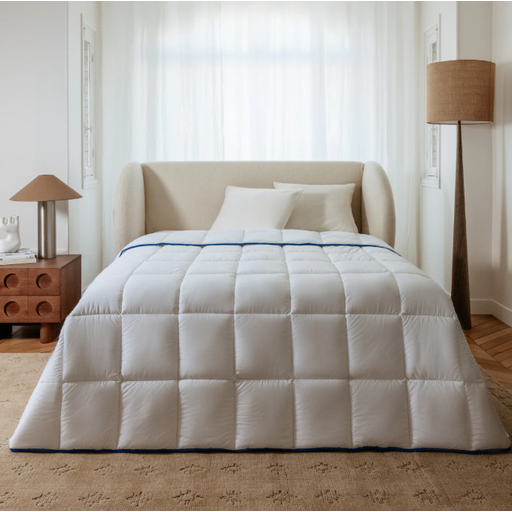
Why we recommend it: The perfect partner for hot sleepers and scorching summers. Its low fill weight (250 g/m?) and siliconised hollowfibre filling ensure maximum air circulation for finally cool nights.
This model is a specialist. It doesn't try to be a jack-of-all-trades, but excels in its mission as a lightweight summer duvet. Its numerous certifications (Oeko-Tex, Certipur, Sanitized) are proof of its health-conscious qualities.
Lightness and breathability designed specifically for warm nights (rooms at 20°C and above).
If summer nights are your biggest challenge, explore our curated selection of duvets that meet strict criteria for lightness and breathability.
The first rule: always check the manufacturer's label. For a large washable duvet, use a high-capacity washing machine (10 kg or more) to avoid compressing the filling. Choose a delicate cycle at a low temperature (30 or 40°C). For natural duvets, tumble drying on a low heat with dryer balls is recommended to help the down regain its full loft.
When well-maintained, a natural feather and down duvet can last for about ten years. A synthetic duvet has a shorter lifespan, around 5 to 7 years, as its fibres tend to clump and lose their insulating properties over time and with washing.
The Oeko-Tex Standard 100 label guarantees that every component of the product (fabric, thread, filling, etc.) has been tested and certified to be free of any substances harmful to your health. It's not mandatory, but it is a true mark of trust, especially for those with sensitive skin, allergies, or simply for anyone wanting to buy a duvet online with complete peace of mind.